Tusk Says Border Group Withdrew Into Kaliningrad After Night Alert
USD 21,76
Popular
Polish forces intervened near the town of Sępopol shortly after midnight on Nov. 3 after the Border Guard reported "disturbing movement" along the frontier with Russia's Kaliningrad region, according to Prime Minister Donald Tusk. RMF24, cited by UNITED24 Media, reported that no one crossed into Poland and that the people involved withdrew deeper into Kaliningrad.
Tusk also cautioned against reading the episode as a close call. He said it did not result in serious consequences, but that Russian pressure could continue and that Poland must stay ready to head off further provocations.
What officials have said about the night incident
Tusk told a government meeting that the Border Guard spotted individuals with flashlights in the border area. He said Polish forces were mobilized quickly and managed to prevent a provocation. He added that Poland had not avoided some tragic event that night.
Accounts differ in places. The Greek site newsfire.gr, citing Metro.co.uk, described the episode as a thwarted Russian provocation, with several people moving from Russian territory toward the Polish frontier. UNITED24 and Newsweek relayed Tusk's more cautious wording. Neither the sources nor Tusk's remarks, as reported, identify who the individuals were or what they intended. Newsweek said it had asked the Polish and Russian foreign ministries for comment.
How the alert built up
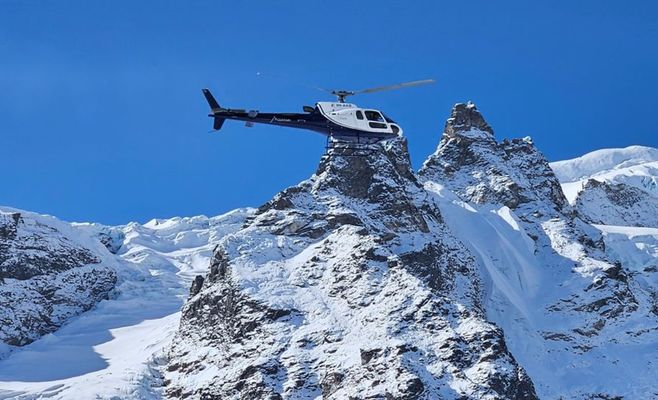
- Sept. 23: A Russian Mi-8 helicopter briefly crossed into Polish territory from Kaliningrad, according to Newsweek. Newsfire.gr put the intrusion at roughly 1,000 feet and said it prompted evacuation-preparedness warnings to civilians.
- Nov. 2: Poland launched a special security operation along the Kaliningrad border after Polish and allied intelligence warned of possible armed incursions and sabotage, UNITED24 reported. Police chief Marek Boroń told RMF FM that day that intelligence pointed to possible sabotage, including border violations by armed groups. He did not name Moscow directly, Newsweek noted.
- Nov. 3, shortly after midnight: The Border Guard reported the movement of people with flashlights, and forces intervened near Sępopol.
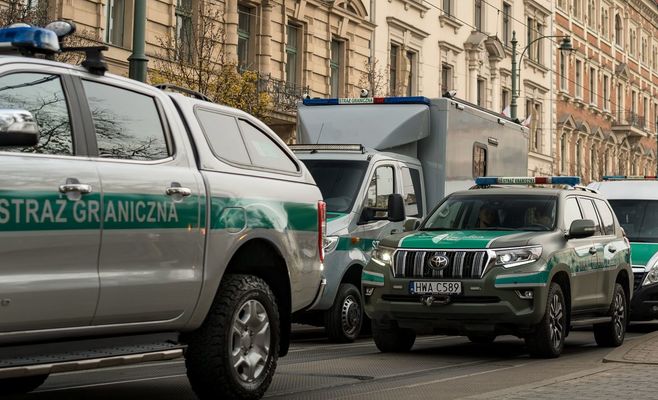
- Nov. 3, later that day: Tusk described the deployment of substantial police forces, counterterrorism units and extra border guards. Police have set up a special operations headquarters covering the Warmian-Masurian and Podlaskie regions, with the Border Guard taking part, according to UNITED24.
What this means for residents and the region
For people in northeastern Poland, the most visible change is a heavier security presence. Boroń said the reinforcements are meant to protect residents and infrastructure from sabotage and from foreign intelligence activity. Police have also opened a command center at the National Police Headquarters, with officers brought in from several regions, Newsweek reported.
Elsewhere in the country, newsfire.gr reported that Russian military operations in Ukraine led to airspace restrictions over the Lublin Voivodeship in eastern Poland. It said the Government Security Centre raised air defense readiness and sent alerts to residents there. The same outlet reported that Foreign Minister Radosław Sikorski told the newspaper Fakt that he keeps an evacuation backpack ready. He urged citizens to follow government safety guidance, arguing that preparation costs nothing.
Why the Kaliningrad border draws attention
Kaliningrad is a Russian exclave on the Baltic Sea, between Poland and Lithuania. Newsweek said its position between NATO and EU members makes it a likely flash point in any future clash between Moscow and the alliance.
Newsweek reported that Poland and its NATO neighbors have warned that Moscow is stepping up hybrid warfare, meaning acts below the threshold of war that could test the alliance's resolve. It cited Reuters as reporting last month that Russia sent NATO a document saying it would use nuclear weapons if the alliance enforced a blockade of Kaliningrad. UNITED24 said that in September the Russian Embassy in the UK warned that any NATO attack or blockade of the exclave could bring a response using all available means, including nuclear weapons.
What happens next
Tusk said the latest intelligence pointed to possible incidents in the first half of November, including armed people entering Polish territory. Newsfire.gr reported that he called the coming weeks and months a critical period for European security. He also rejected critics who accuse him of fixating on Russia, saying he is focused on a threat he described as growing every month.
Tusk said Polish forces will stay on alert to prevent further provocations. No end date for the reinforced deployment has been disclosed.
Earlier on Around Prague: Poland Sends Counterterrorism Units to Kaliningrad Border as Alert Continues
Around Prague, based on reporting by Newsweek, newsfire.gr, UNITED24 Media