Albanian refugee builds an AI colosseum in Italy for Europe
USD 21,66
Popular
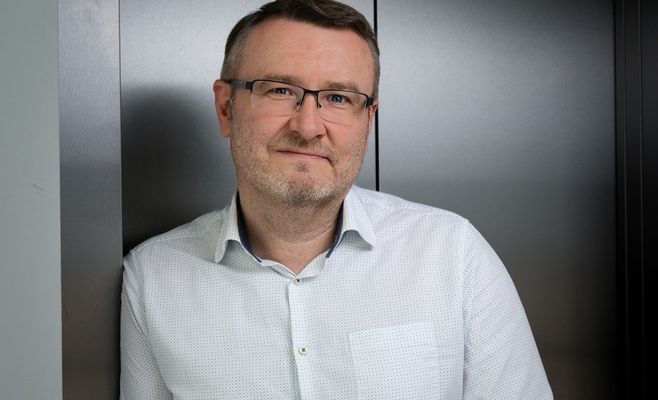
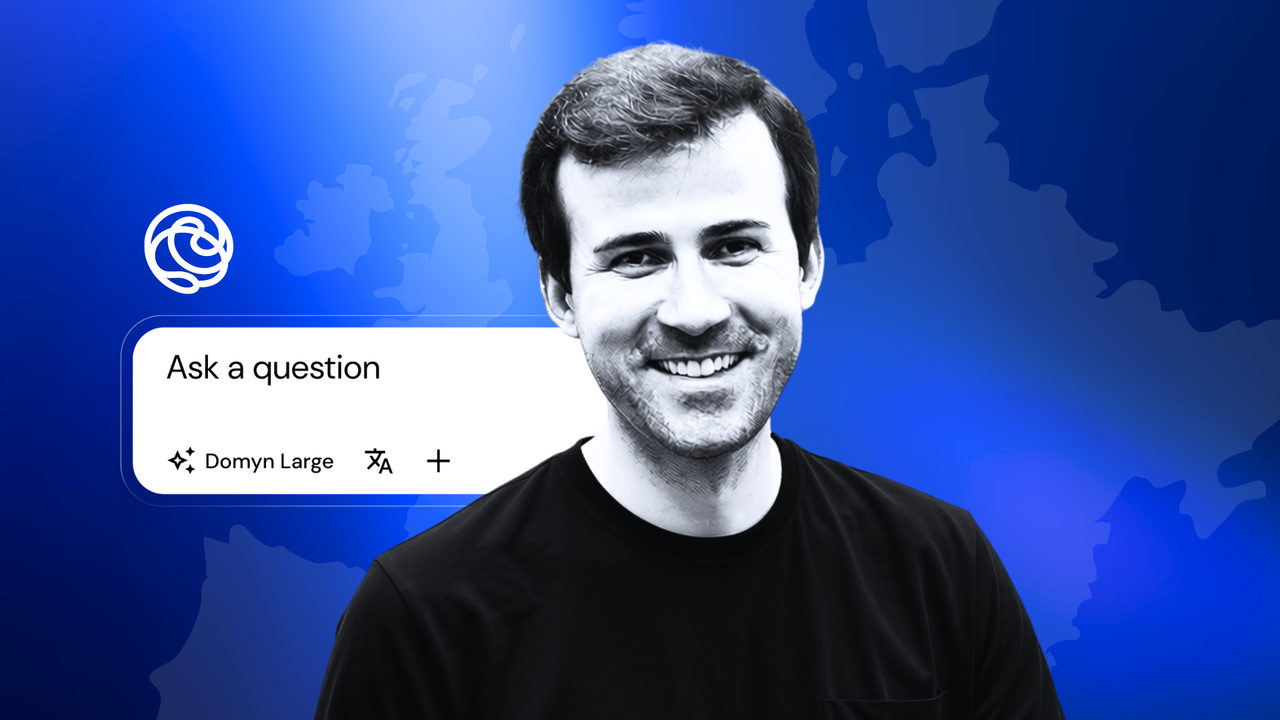
The Milan startup Domyn has raised $1.1 billion (around 23 billion koruna) to build the Colosseum supercomputer — and behind it stands a man with an unusual story: Uljan Sharka, a refugee from Albania who left for Italy alone as a teenager and, without a university degree, managed to build an AI company valued at several billion dollars.
Nine-tenths of the money raised is debt capital — standard practice among American rivals, but a rarity in Europe. The funds aren't going toward researchers but toward hardware: the Colosseum supercomputer in southern Italy, which Domyn is building together with Nvidia and the Abu Dhabi technology group G42. The data center will run on roughly six thousand chips and will be able to train language models with more than a trillion parameters. Unlike many competitors, Domyn doesn't rent computing power — it owns it outright.
The timing is no accident. In February, the European Commission announced the Frontier AI Grand Challenge, seeking a company to receive the mandate to build a world-class European language model. In June, a winner was found: the EUROPA consortium, which Domyn leads together with the German Fraunhofer institutes. According to EU Commissioner for Tech Sovereignty Henna Virkkunen, “Europe can set the direction in frontier AI on its own terms.”
Domyn's reward won't be money but computing time — up to 2.5% of the capacity of the European EuroHPC supercomputing network for a full year. The model being developed is to have more than 400 billion parameters, support all 24 official EU languages, and be released under an open license. The urgency of such independence has been underlined by recent months: the US has restricted foreigners' access to Anthropic's and OpenAI's most advanced models, while several countries, including Czechia, have banned the use of China's DeepSeek in government bodies.
Sharka himself has promised that the model will appear within a year, will be trained from scratch, and — crucially — will be free to run on companies' own servers. It's a bold claim, but Sharka has proven more than once that he isn't afraid to take risks. He was born in Albania and, as a teenager in the 1990s, when the country was rocked by poverty and unrest, left alone for Italy.
He had been fascinated by computers since childhood and learned Italian while working in IT. He never earned a university degree, and the lack of a diploma nearly closed the very doors he wanted most to open. When Apple unveiled the first iPhone, Sharka decided he wanted to work for the Californian giant. Without a university diploma, he at least completed the company's certification program — and it worked: from 2012 to 2015 he made it to Silicon Valley and worked as a developer and consultant right at Apple's headquarters.
It was in America that he spotted a gap: corporate software was painfully clunky compared with consumer technology. In 2016, Sharka returned to Milan and founded the company iGenius. Its first product, Crystal, let people without a technical background query corporate data in plain language.
That idea grew into a bigger concept: banks, insurers, the energy sector and the defense industry don't want to rent artificial intelligence — they want to own it. So, together with colleagues, Sharka began developing AI systems that could run directly on clients' own servers, especially in regulated industries.
In 2024, iGenius became a “unicorn” — a company valued at more than a billion dollars. Last June, it was renamed Domyn. Little is known yet about the company's new funding round — the information was disclosed only by the specialist outlet Sifted. It had previously been confirmed that Domyn's valuation had already topped two billion dollars, helped along by its acquisition of another Italian startup, Oròbix.
For Sharka's ambitions not to remain just words on paper, the whole continent needs them to succeed: Europe's AI scene still lags behind that of the US and China.