How two Czech friends built a half-billion bike and coffee empire
USD 21,68
Popular
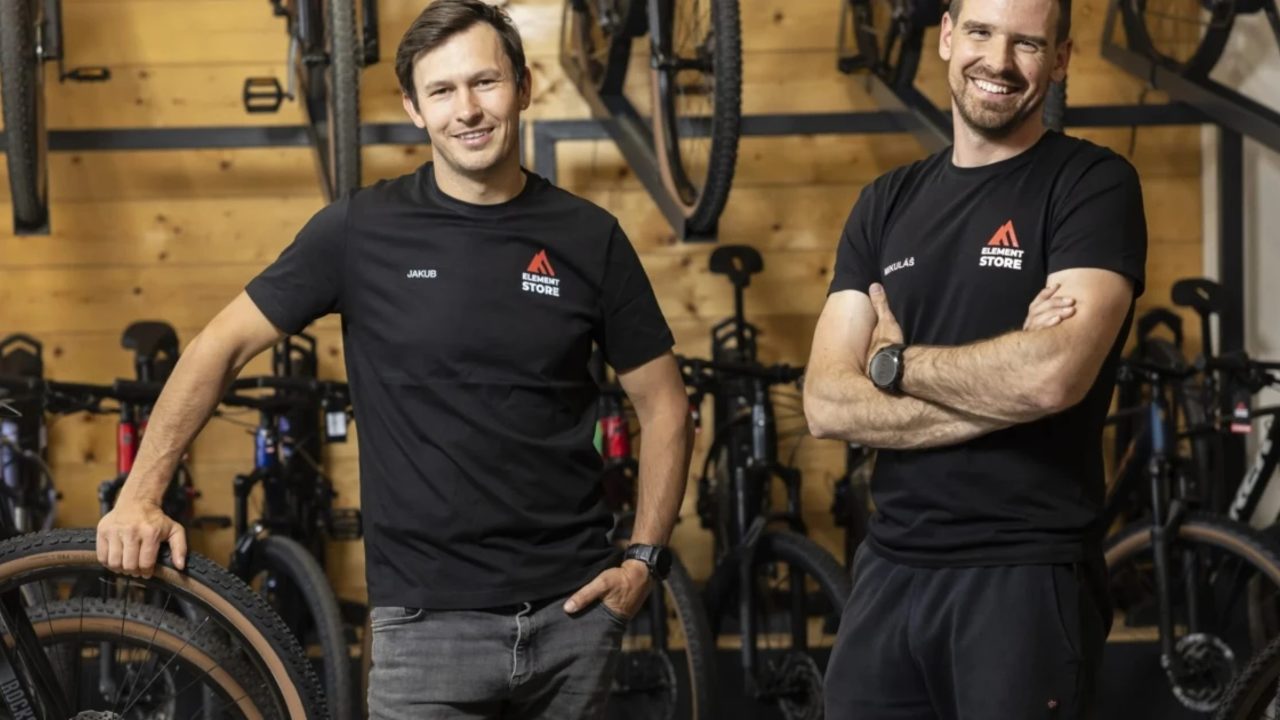
Jakub Najdek and Mikuláš Dohnal started out with a student-run online shop selling cycling shoes. Today they run one of the largest dealers of premium Trek bicycles in Eastern Europe, a coffee roasting company, and Moravia’s third-largest summer festival. Their journey is a rare example of a business built not on investment and hype, but on persistence and the constant reinvestment of everything they earned.
The story began in 2013, when the two friends, passionate about downhill and enduro riding, noticed a gap in the Czech market: Western bicycle brands that had become the standard abroad were almost impossible to find in Czechia. They launched an online shop selling Five Ten cycling shoes — with no investors, no business plan and no experience, and their first warehouse was an ordinary student dorm room.
“The whole floor gradually filled up with boxes of shoes. Naturally, at first we ordered completely the wrong sizes and colors,” Najdek recalls. The range gradually expanded, and the two partners became the biggest sellers in Czechia of the increasingly popular Skinners “sock-shoes,” effectively creating a new market segment.
Alongside their studies, the entrepreneurs took on whatever side jobs they could find: washing windows in government offices, delivering alcohol at night through their own service, Alkostar, renting out steam generators, and running a cleaning company. “One side job financed another — back then everything was intertwined,” Najdek says.
The real turning point came during the COVID-19 pandemic. While the entire bicycle market was struggling with shortages and supply disruptions, the friends decided to move up into a new league and start selling premium bicycles. “Everyone laughed at us. During COVID there weren’t even enough bikes for established sellers, let alone newcomers,” Najdek recalls.
It was exactly this determination never to settle that turned a string of student side jobs into a business whose turnover is now estimated at hundreds of millions of crowns — a journey from a dorm room to half a billion, as Forbes puts it.