How Petr Svoboda saved Czech e-bike maker Levit from debt
USD 21,66
Popular
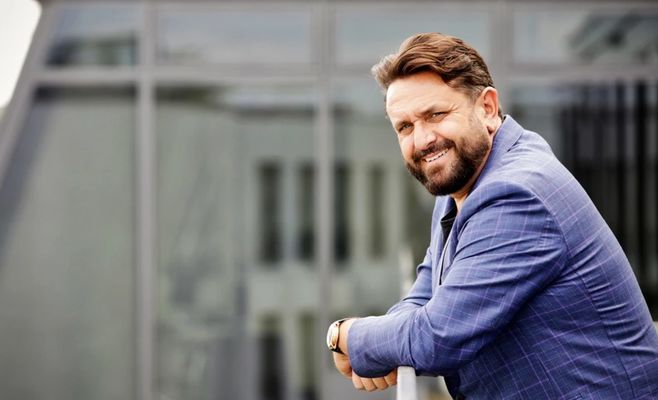
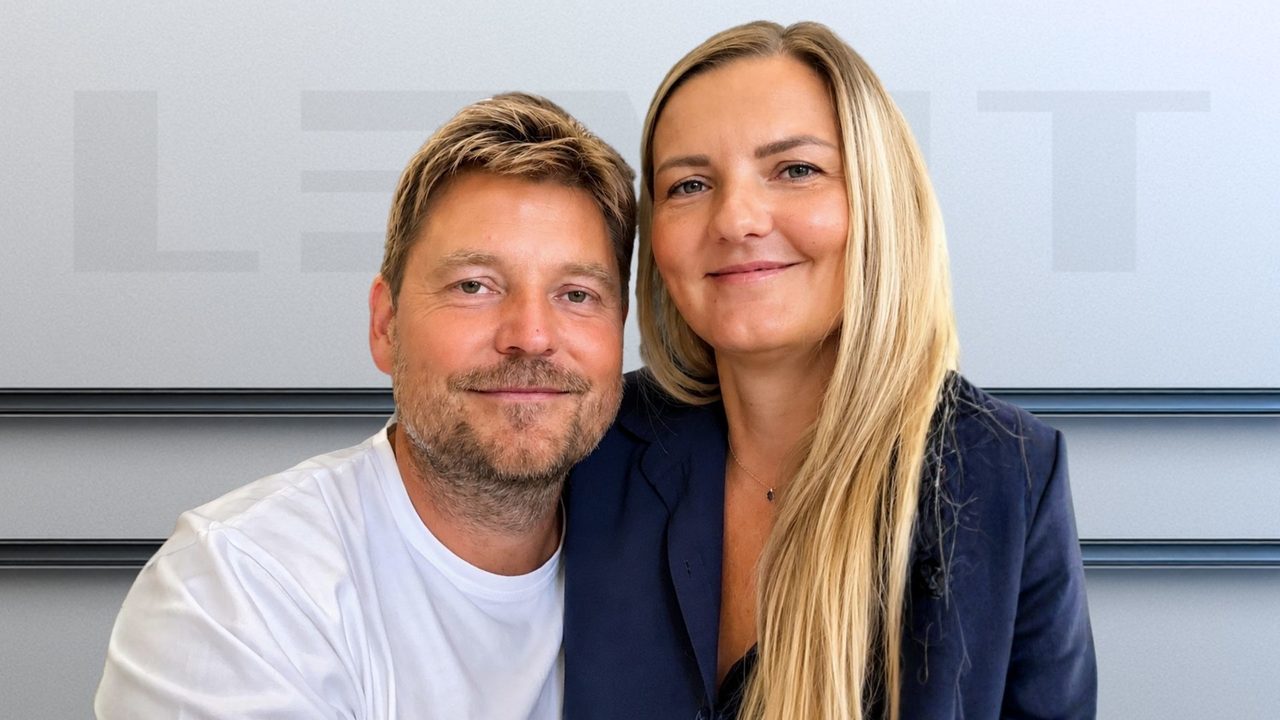
Czech e-bike maker Levit was, until recently, on the brink of total collapse with debts of almost 750 million crowns, but thanks to the efforts of Petr Svoboda, who took over the company in the middle of the chaos, the business is gradually getting back on its feet under the wing of a new investor.
Svoboda spent 17 years working in corporations and decided he wanted a change and “a bit of adrenaline.” In 2021 he joined Levit as commercial director with an ambitious brief — to help the brand establish itself on the market. Instead, he found a company hurtling toward bankruptcy. “It was total chaos here,” he recalls in an interview with CzechCrunch.
Just a couple of years earlier, Levit — then part of the business empire of entrepreneurs Pavel Barta and Vladimír Pitaš, under the brand BP Lumen — had grand plans: to conquer Europe, hire hundreds of staff and turn the small town of Úpice, at the foot of the Krkonoše mountains, into a Czech “Silicon Valley of the bike industry.” The company started out making bicycles under the Apache brand, then launched its own brand and plunged into expansion.
“In reality, they were creating more of an illusion than controlling the basic processes of the business,” Svoboda says. When he joined the company, he found orders worth nearly two billion crowns placed without any coherent documentation — nobody really knew what exactly was supposed to arrive, or at what price. The hole in the cash flow exceeded 300 million crowns. The previous management, he says, had succumbed to the pandemic-era “buying frenzy,” when Czechs went on a mass bike-buying spree after lockdowns were lifted.
BP Lumen took out bank loans, sharply increased orders for components from abroad, and at the same time bought the site of the former Tonava factory to build new facilities, all while ramping up marketing spending. When the post-Covid boom turned into a slump and goods from Asia started arriving months late, the warehouses ended up stuffed with unsellable stock. Financial collapse soon followed — the company's debts climbed to nearly 750 million crowns.
Once he grasped the scale of the problem, Svoboda initially wanted to leave immediately, but colleagues convinced the owners to remove Lukáš Barta, the son of one of the founders, from management, and in spring 2022 control passed to Svoboda himself. By then, though, it was already too late: that December the company entered bankruptcy proceedings with warehouses full of loss-making bicycles that had never reached customers.
“I had to convince everyone that we were the solution, not the problem,” Svoboda says of the fight to keep the company alive. The creditors' committee initially pushed for a quick sell-off of assets, but given the huge warehouse stock, that risked landing the lending banks with massive customs debts. Svoboda's team won court approval for a reorganisation plan that brought in an outside investor.
There was no shortage of suitors — at one point a merger with traditional bicycle maker Olpran was seriously discussed, but the talks collapsed over differing expectations and the threat of moving production to the Jičín region, where Olpran's factory is based. Svoboda also turned down investors who wanted to break the company up and sell it off piece by piece, and instead looked for a partner willing to preserve both the production and the brand.
He found that partner in the investment group CCFS, run by entrepreneur Miloš Vančura. “It wasn't so much about the numbers as about the fact that we clicked as people. He liked our story,” Svoboda explains. Although the group originally planned to turn Levit around and then sell it, it ultimately decided to keep the company for itself.