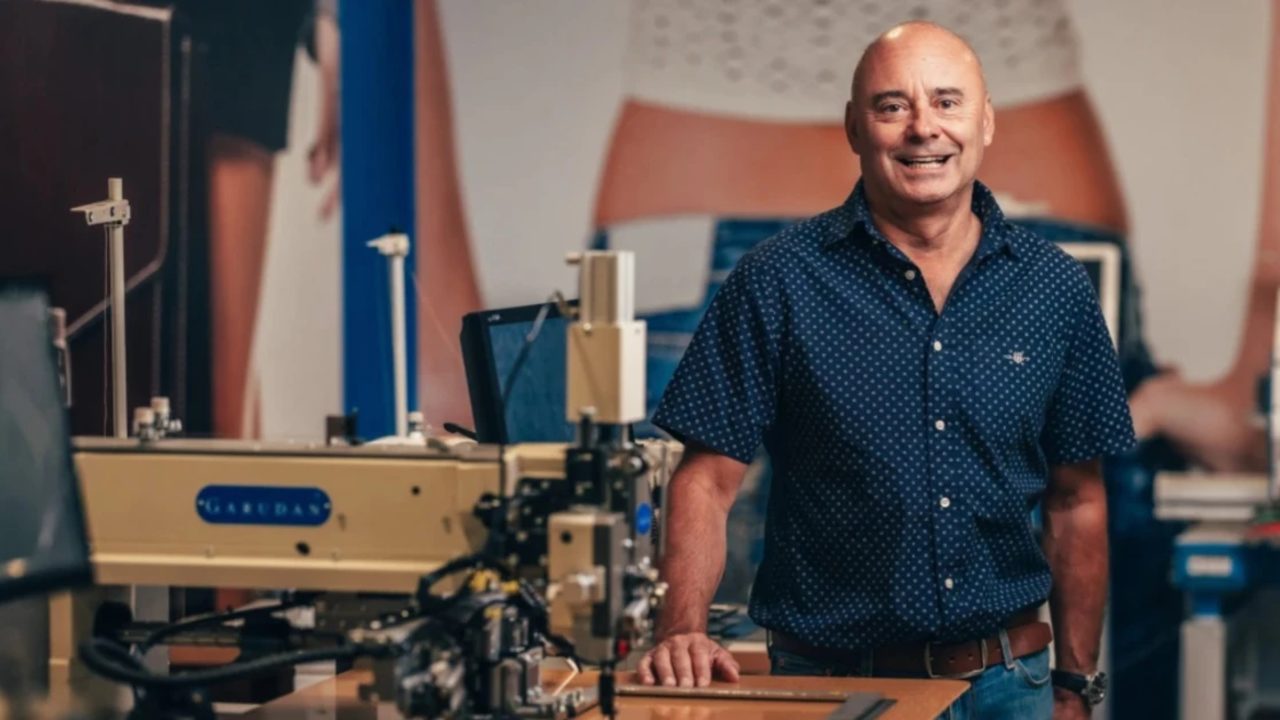
Radek Toul and the Boskovice sewing machine maker Anita B
USD 21,62
Popular
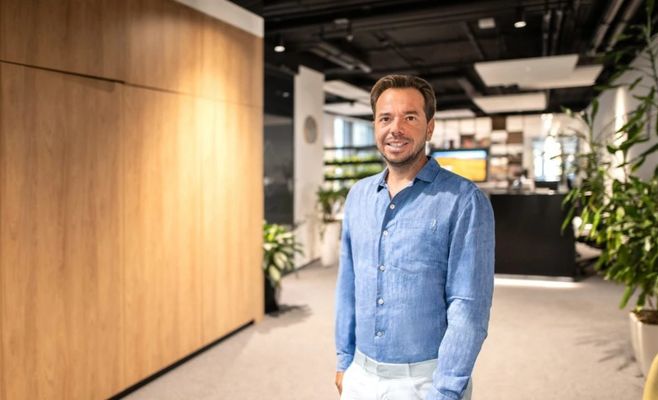
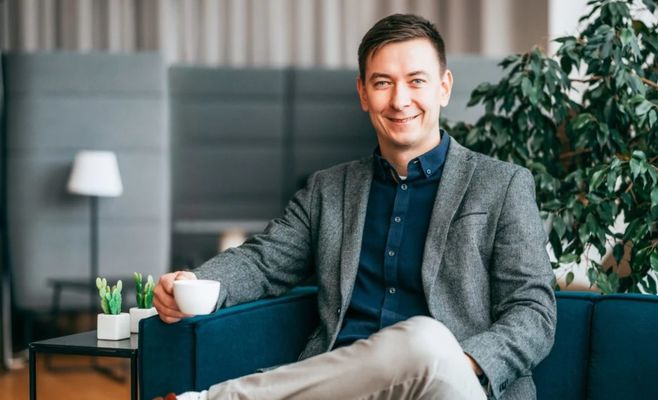
Sewing machines from Boskovice in Czechia stitch shoes for Adidas, Puma and Mizuno, leather clothing and even items for Hermès and NASA. Behind them is Radek Toul, founder and co-owner of Anita B, the last purely European maker of professional sewing machines.
Toul started out as a designer: straight after university he joined the development department of the Boskovice company Minerva. He liked the machines themselves, but less so the way the firm was run. After the revolution he decided to try his own business and started with a borrowed CZK 20,000. A bank loan of CZK 30 million followed: he ordered machines from his former employer for the entire amount and set off to find buyers in South America, learning Spanish as he went.
There he saw that the machines were being sold by people who did not understand them, and that nobody demonstrated them at trade fairs, so he decided to do things differently. Together with local partners he founded a company. Customers were found among the world’s makers of footwear, leather goods and clothing, from jackets to car seats. In the early days South America accounted for about 90% of sales.
When Toul sensed that Minerva would not renew his contract, he and several former colleagues began developing their own machines. In three years a team of three or four designers created their own post-bed sewing machines. Toul flew to Taiwan with the first prototypes and found a partner for casting the parts. The brand was named Garudan, after the mythical bird Garuda, while the company name Anita was taken from an old sewing machine in Toul’s personal collection.
Paradoxically, the hardest to convince were Czech customers: local workshops had trusted brands and were in no hurry to switch. The first Czech buyer, a maker of leather jackets, appeared only after a long time and left Toul a leather keyring as a keepsake, which he has carried for almost thirty years.
Later the company mastered electronically controlled machines with programmable stitching: the material is clamped in a template and the machine sews it strictly according to the program. According to Toul, only about five firms in the world could do this at the time. Eight years ago Boskovice was still producing around a hundred such machines a year.
Anita B beats cheaper Chinese competitors with non-standard orders that others cannot handle. For example, the Japanese at Mizuno chose materials for new shoes that “drifted” during sewing. They flew to Boskovice, Toul’s team developed special machines, and Mizuno bought about thirty of them, at roughly CZK 800,000 each.
The main question the story raises is how long European manufacturing can withstand the competition, and what will happen to the accumulated know-how if it disappears.