South Prague rental district for 16,000 people by Finep and RSJ
USD 21,62
Popular
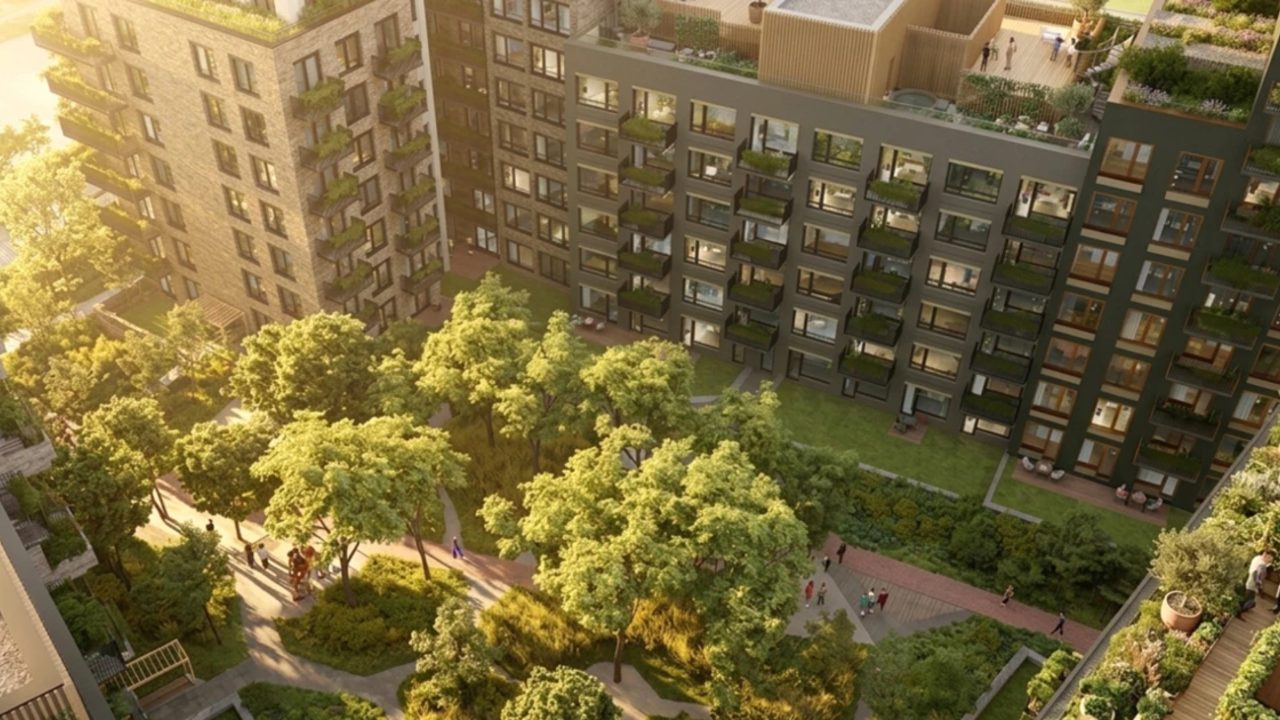
The RSJ investment group has joined forces with Finep developer co-owner Michal Kocián and his company Na Jelenách to build a new district for about 16,000 residents in south Prague, near Opatov metro station. Total investment is planned to exceed CZK 50 billion.
The project is conceived as a new centre for the southern part of the capital and as a purely rental neighbourhood: in future, the whole area is to be managed by a single rental fund. According to the headline, it involves more than five thousand apartments for rent.
Besides housing, the district will include jobs, shops and services, gastronomy, sports facilities, education, green areas and public spaces. Plans include a kindergarten, a land reserve for a primary school, sports grounds, a park, a square and a network of pedestrian and cycling routes.
The project, called Na Jelenách, is led by Zdeněk Soudný, executive director of the company of the same name. He explains the idea like this: “We want to create a real piece of Prague, a place with a life and a centre of its own, where rental housing will be not a temporary solution but a real home.”
For RSJ, taking part in the project matters precisely because of its scale and long-term nature. Lukáš Musil, a member of the group's board, points to the site's exceptional location and transport accessibility: a direct link to Chodov metro station and, in future, to Opatov. “We get the chance to create a district that will work well even several decades from now,” he says.
Timeline: construction of the first phase will begin next year, and the entire district should be completed in roughly ten years. Musil calls Na Jelenách one of the largest residential projects in Prague's history and adds that he sees considerable interest from large institutional funds, including foreign ones.
The city authorities have also made a move: this summer, Prague approved the use of the development coefficient on city-owned plots in this location. This will allow denser construction and bring CZK 63 million to the city budget for infrastructure. Earlier, the city received additional funds and land swaps that allowed the area to be consolidated: investors can now build, while Prague retains ownership of public spaces and roads.