Mate Rimac on why the rich still prefer petrol over electric hypercars
USD 21,59
Popular
Mate Rimac, the Croatian entrepreneur who heads Bugatti, decided against building an electric hypercar, even though everyone had expected exactly that. Instead of an electric successor to the Chiron, the company unveiled the Tourbillon — a car with an 8.3-litre naturally aspirated 16-cylinder engine producing a thousand horsepower, which together with three electric motors delivers 1,800 horsepower and costs more than a hundred million crowns.
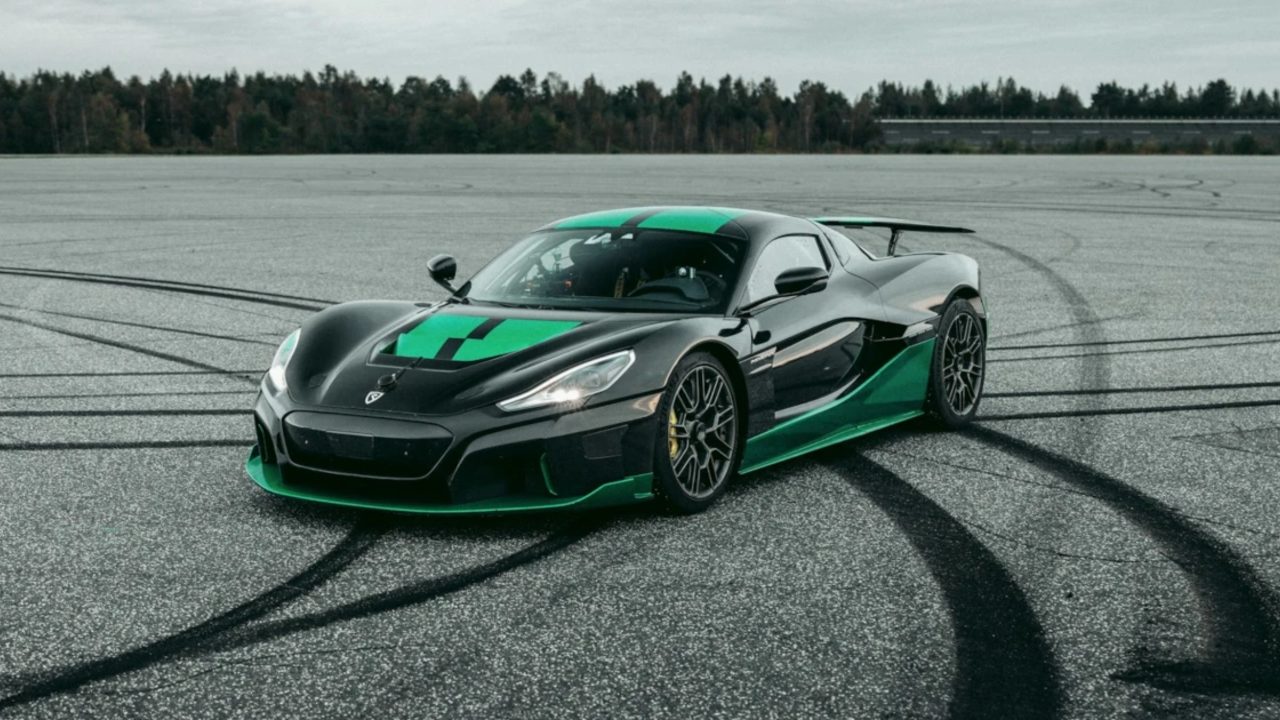
Rimac is nearly forty, and his path into the car industry began when he converted an old BMW 3 Series to electric drive in his garage. He later introduced the world to the Nevera hypercar — an ultra-modern electric car with four motors and nearly two thousand horsepower, priced at around fifty million crowns. But a different part of his empire proved far more important for business — Rimac Technology, a company that develops and supplies electric-vehicle technology to major carmakers. What truly made Rimac famous, however, was his takeover of the legendary Bugatti brand five years ago.
At the time, everyone expected Bugatti to release an electric hypercar — especially since that same year saw the premiere of the Nevera, which a year later accelerated past 400 km/h and became the world's fastest electric car. Rimac had all the technology needed for such a move. Instead, he bet on a powerful petrol engine — and it seems that was no mistake.
As it turned out, the initial enthusiasm for extreme electric hypercars cooled quickly. Yes, such cars accelerate to 100 km/h in under two seconds and exceed 400 km/h, but buyers of multimillion-dollar supercars miss the main thing — the roar of the engine, its vibrations and the sound of the exhaust. For instance, Italy's Pininfarina released the electric hypercar Battista for fifty million crowns in a limited run of just 150 units, but judging by the company's losses, it has sold only a few dozen cars since 2022. Rimac's own Nevera faces similar struggles. The petrol-hybrid Tourbillon, on the other hand, limited to 250 units, sold out almost immediately after its premiere.
“There's a certain irony in the fact that right now I'm building the largest internal combustion engine in the world. At our factory in Croatia, there's a remarkable situation right now: on the same production line, the most powerful electric car and the largest petrol engine stand side by side. Life can be a strange thing sometimes,” Rimac admits.
Today, Mate Rimac — more often described as Bugatti's CEO than as the creator of electric hypercars — says the hypercar market is entering an “era of Swiss watches”: just as mechanical watches remain a status symbol even in a world of smartphones and smart gadgets, petrol engines will remain a privilege of the wealthy despite the rise of electric cars. “Apple Watches can do far more, but no one will pay two hundred thousand dollars for one,” the entrepreneur insists. In his view, the petrol engine still has a long life ahead in the top tier of the car market — because what matters is not power for its own sake, but the skill and artistry of the engineers, which he calls “a celebration of human craftsmanship.”