Cisco’s Zuzana Švédová: Europe is standing on its own feet in Czechia

USD 21,74
Popular
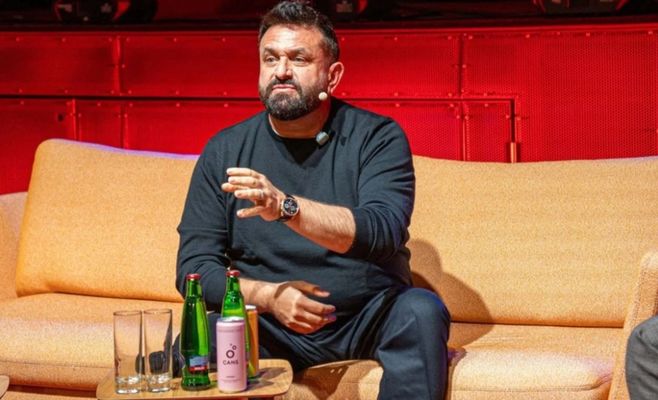
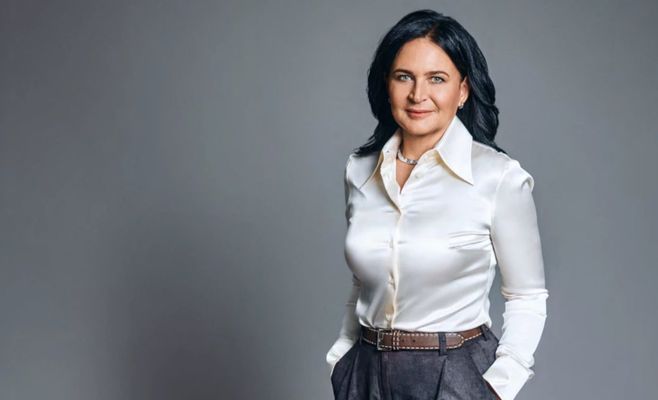
Zuzana Švédová, head of Cisco’s Czech branch, believes Europe is learning to stand on its own feet. Countries in the region want to keep control of their data and technology, and that is changing the requirements even for American suppliers.
The executive spoke at the Forbes “Best Czechia” conference at the Imperial Spa in Karlovy Vary. Asked whether Czechia can be called digitally sovereign, she answered cautiously: “It is striving for it.” In her words, Europe relied for a long time on technology that came from outside, but the war in Ukraine and geopolitical pressure forced it to think seriously about what the continent can provide for itself. The first reactions were hasty, often without a ready strategy, but that wave has now passed. “Now I believe the strategy is taking shape and Europe is standing on its own feet,” Švédová said.
For American Cisco, this means a chance to offer customers technology that works without dependence on the United States. The company has prepared a whole portfolio for such needs: the customer controls its own data and their protection. According to Švédová, in the more than forty years since the firm was founded, interest in such solutions has never been higher. Cisco’s large clients include government bodies and armies, and for them, besides the quality of the technology, what decides is trust built with a supplier over the years. “We essentially have no choice but to provide this,” she noted: ministries and other agencies need to be able to operate autonomously.
What Czechia can offer. After taking over the Czech branch, Švédová set the goal of tying it more closely to the American headquarters. Arguing from the size of the local business is hard: “The Czech branch does not post the biggest numbers even in Europe. But it can offer local knowledge, specialists and technology companies,” she said.
To that end, the company introduced for Czechia the role of a so-called country sponsor — a senior corporate employee who takes a country under their patronage. It went to Vijoy Pandey, who has held the role for two years. The occasion arose while preparing the celebration of Cisco’s thirtieth anniversary in Czechia: Pandey was due to visit, and Švédová wanted Michal Pechouček among the speakers, so she suggested the two first meet in person.
The conversation gave rise to an idea of cooperation, which led to the signing of a memorandum between Cisco and the Czech Technical University in Prague (ČVUT). Pandey oversees a specific grant for developing agentic artificial intelligence systems; in November he is due to come to Czechia again and visit the university. Švédová hopes the cooperation will continue.
Pechouček’s connection with Cisco began much earlier: his business idea combined cybersecurity and AI, and the company he helped build was later bought by Cisco itself. For a time he worked for the corporation and was himself responsible for contacts with ČVUT. That is why Švédová sees her role as a continuation of earlier work: the cooperation had been interrupted for a while, and she wanted to resume it. She knows Pechouček and is glad of what he has achieved.
For her, connecting the Czech branch with the center is also a personal mission. “You will not win it with the budget, and you will not win it with what we sell here, but you can win it with what great people, universities and companies we have,” she stressed.
Pandey also brought to Prague a demonstration of a quantum switch — a device for connecting quantum computers. Explaining why Cisco is doing this, Švédová went back to the company’s origins: it grew out of a simple question — how to connect two computers. Its equipment still keeps networks running and connects people, for example on their phones. “We are unsexy pipes,” she jokes.