Canada May Cut Off Energy Supplies to the US Amid Trade Dispute With Trump
USD 21,74
Popular
Talks between the US and Canada aimed at lowering trade tariffs collapsed on Monday, prompting US President Donald Trump to declare on Truth Social: "We don't need Canada, they need us!" Canadian Prime Minister Mark Carney accused the American side of tabling new demands at the last minute, saying Washington "asked for too much and offered too little."
The dispute has been simmering since last year, when Trump returned to the White House. Washington has officially justified the tariffs by pointing to Canadian restrictions on imports of American cars, alcohol and dairy products. At the same time, the fate of the free trade agreement between the US, Canada and Mexico hangs in the balance.
Mutual economic dependence
Access to the American market is crucial for Canada, which sends about 70% of its total exports there. But the dependence runs both ways: according to the BBC, Canada is the largest foreign trading partner for 26 US states, and ranks among the top three foreign buyers for 45 of the 50 states.
Last year alone, the two countries exchanged goods and services worth hundreds of billions of dollars, so any new tariffs hit both sides almost instantly. According to calculations by Yale University economists, Trump's tariffs are already costing the average American family around $1,100 a year — roughly 23,000 Czech crowns.
The impact is especially visible in the auto industry: more than 90% of vehicles made in Canada are sold in the US, and auto parts often cross the border several times during the assembly of a single car. High tariffs could hurt American automakers as a whole, not just their Canadian plants.
Canada's trump card: energy
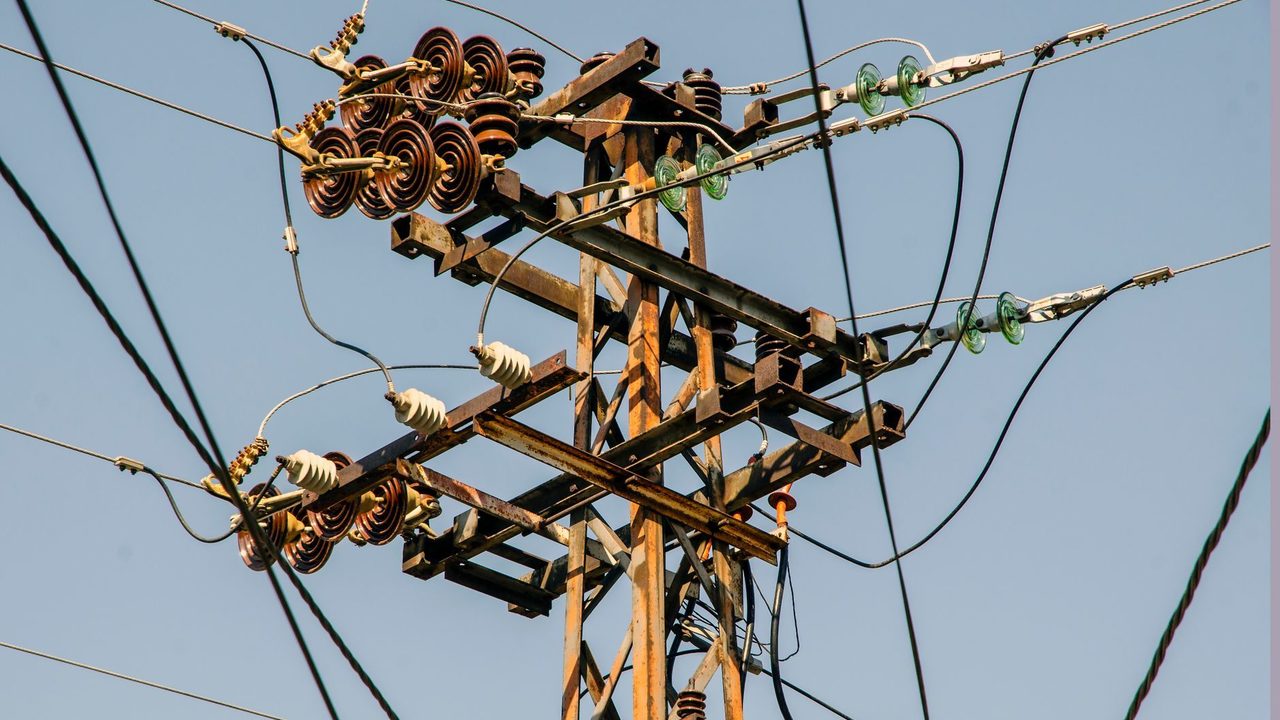
Canada's most powerful piece of leverage is energy. The country supplies about 60% of all the oil the US imports, along with the vast majority of America's natural gas and electricity imports. "They certainly wouldn't want us to stop supplying that to them," Mark Carney noted. For now, Canada's federal government has no plans to restrict supplies, though Ontario Premier Doug Ford has already threatened to raise electricity prices for American buyers.
Canada also holds substantial reserves of uranium, nickel, graphite and potash — raw materials vital to industry and fertilizer production. Ordinary Canadians have joined the fight too: American alcohol has been pulled from store shelves in several provinces, causing US wine exports to Canada to plunge by 78%. Canadians have also cut back sharply on cross-border trips, dealing a noticeable blow to hotels, restaurants and shops in American border states.
Small businesses are already feeling the effects of the tariffs. Cindy Baldassi from Calgary sells about three-quarters of her handmade jewelry to American customers. Because of the tariffs, she will have to raise her prices sharply. "I expect to lose at least half my orders," she told the BBC. In a prolonged trade war, however, Canada itself could prove to be the more vulnerable side: the new tariffs affect roughly 5% of its exports to the US and could shave 0.3–0.6% off Canadian GDP in the short term.
Read also: 9 Michelin-starred restaurants in Czechia: where to find fine dining from Prague to Moravia
Source: novinky.cz