Praying mantis found at 1,350 meters in the Krkonoše, Czechia

USD 21,81
Popular
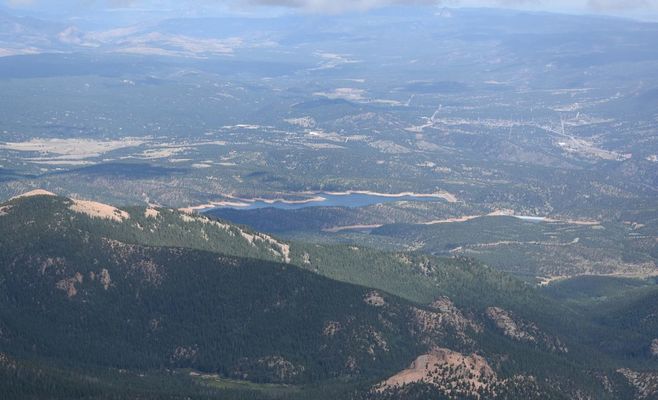
A praying mantis was spotted in Krkonoše National Park at an altitude of 1,350 meters above sea level, surprising park specialists. The find, on the edge of the Labský důl valley, is the highest in the mountains this year. Two other sightings were made at about 950 meters.
After appealing to residents, the park administration has documented 23 sightings in the mountains and surrounding areas in total. But a single insect does not mean a permanent population could survive there, the park warns.
A heat-loving insect in the mountains
In Czechia, the European mantis was long associated mainly with South Moravia. Around the turn of the millennium it began spreading to warmer parts of Bohemia, and scientists link the expansion of its range to climate change. Over the past decade it has turned up where researchers did not expect it.
The park recorded its first wild mantis in the mountains in 2019: a female found on a meadow above Bolkov near Rudník at 680 meters. This year's find in Labský důl lies almost twice as high.
Park spokesman Radek Drahný explained that conditions at 1,350 meters are usually unfavorable for heat-loving species. In his view, an unusually warm summer probably allowed the insect to grow into an adult. But that does not mean it is breeding there permanently or that a stable population has formed, he stressed. The other sightings above 900 meters were near Lysečinská bouda in the eastern mountains and in Karlov above Pec pod Sněžkou.
A map of sightings
The park's appeal a month ago brought in several hundred reports, more than expected. Most came from outside the Krkonoše, while the 23 valid sightings cover the mountains and nearby areas, mostly the lower and middle elevations of the park's buffer zone. A mantis was also seen in the upper part of Rokytnice nad Jizerou. There were no sightings in the central area north of Vrchlabí, including Špindlerův Mlýn.
How the insects get so high is a separate question. Park zoologist Jan Materna says young mantises can accidentally travel with people, hiding in cars, luggage or transported belongings. Another possibility is the wind: strong air currents, including during thunderstorms, can carry small organisms far beyond their usual range.
That is why the sightings do not prove that mantises are gradually climbing the mountains on their own. Park specialists see them as part of broader changes in the Krkonoše landscape, including the shifting upper tree line and the appearance of ticks at higher altitudes. Further monitoring will show whether the mantis remains a rare mountain visitor or becomes a common one.
Around Prague, based on reporting by expats.cz