Czechia Prepares Reform of Public Sector Pay Scales Affecting Up to 500,000 Workers
USD 21,74
Popular
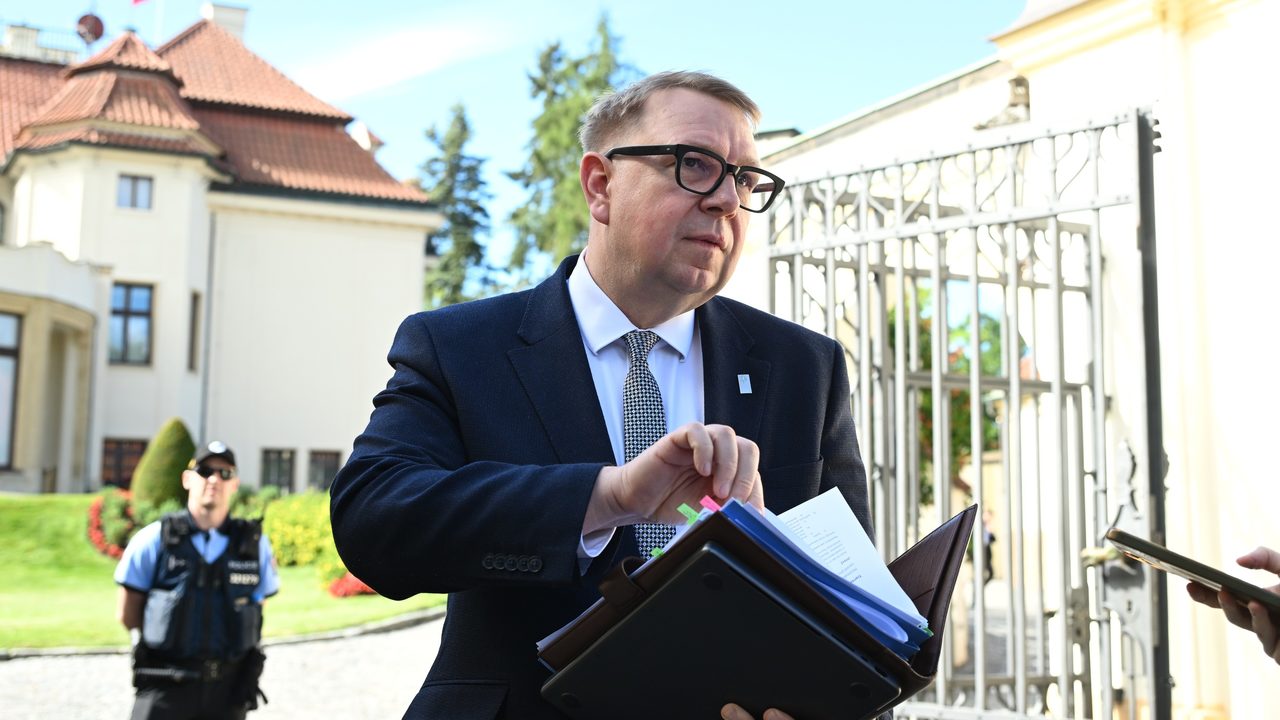
The Czech government is preparing a sweeping reform of the tariff pay system for state and public sector employees. According to Labour and Social Affairs Minister Aleš Juchelka (ANO), the changes will affect social workers, staff at cultural institutions, libraries and theatres, as well as cleaners and school caretakers — by preliminary estimates, between 400,000 and 500,000 people in total.
The reform’s central aim is to ensure that no tariff grade falls below the minimum wage. According to the ministry, of the 564 tariff categories currently in force, 76 sit below the minimum wage level, while 254 fall below the minimum guaranteed wage. In the past, tariffs were raised irregularly through individual government decrees. Under the new plan, they would be automatically indexed each year in line with increases in the minimum wage.
Fewer Grades, More Recognition for Seniority
The current twelve tariff steps, which determine base pay according to length of service, will be reduced to eight — though pay will now rise every five years. New steps will be introduced for employees with up to 30, 35 and more than 35 years of service, whereas the scale previously stopped at 32 years. Between tariff grades based on qualification, the pay difference will be at least four percent.
It’s possible that for some civil servants, tariff rates will remain unchanged after the reform takes effect next year — though they won’t be reduced either. Further specifics have yet to be released.
Unions to Discuss the Proposal This Week
Jiří Horecký, president of the Confederation of Employer and Entrepreneur Associations, explained that to ease the burden on the state budget, employers would have the option — for one year only, and without the employee’s consent — of folding personal bonuses into the base tariff. Josef Středula, head of the Czech-Moravian Confederation of Trade Unions, described the current system as “rather bizarre” and said it fails to meet the principle of fair pay. Unions are set to meet on Wednesday to discuss the proposal, with their position to be presented to the government on Thursday.
Finance Minister Alena Schillerová (ANO) noted that the amount of budget funding required will depend on whether the government proceeds with the reform: if it does, spending will rise; if not, costs will stay lower. “If we want quality public services at the right standard, we have to pay people properly,” she said. The finance minister promised to announce the exact figure next Monday.
Source: novinky.cz