Heatwave Triggers Wasp Boom in Czechia, Entomologists Explain Why
USD 21,59
Popular
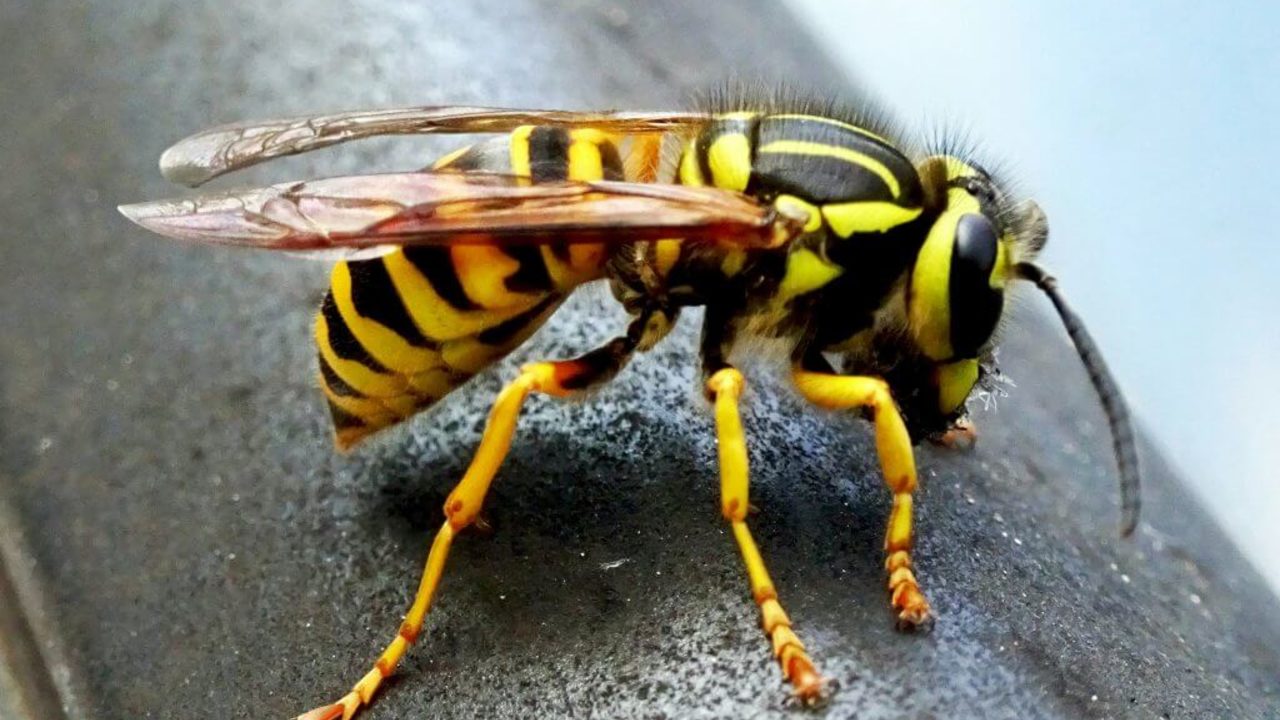
This year's hot weather has led to a sharp rise in the wasp population across Czechia, with nests growing especially fast on warm nights. That's according to entomologist Antonín Přidal from the Faculty of Agronomy at Mendel University (MENDELU) in Brno, who spoke to the news outlet Novinky.
He explains that warm nights are the key factor: wasps don't need to spend much energy regulating the nest's temperature, so they can put that saved energy toward faster nest growth. The ripening fruit harvest adds to the problem, providing wasps with an abundant food source. And the hotter it gets, the more active and mobile the insects become.
Why wasps are dangerous in hot weather
During intense heat, wasps grow noticeably more aggressive, raising the risk of painful stings. A single sting isn't usually dangerous unless someone has a severe allergy to wasp venom. The real danger comes when a person accidentally steps into an underground wasp nest — this triggers the insects instantly, and a swarm attack can follow fast and hit hard.
"In that case, you need to get away from the spot as quickly as possible — ideally at least a hundred meters — and then find cover, for instance under trees or in bushes," Přidal advised. Once safely hidden, any wasps still chasing you can be dealt with by hand.
Wasps raiding beehives
Beekeepers are hit especially hard: wasps swarm the feeders inside hives, disrupt the beekeepers' work, and try to force their way into the hives themselves. According to the scientist, beekeepers now have to go to greater lengths to hide bee feed from wasp raids — though even that doesn't always work, given how resourceful wasps can be.
Fortunately, things change once cooler weather and rain arrive, causing wasp activity to drop sharply. Only young queens that find safe shelter survive through winter — the rest of the colony dies off once the cold sets in, the expert noted.
Read also: Prague metro: map and tickets
Source: novinky.cz