Kids are back at school — and they've brought colds with them: when to keep your child home

USD 21,75
Popular
With the start of the school year and children returning to nurseries and schools, cases of runny noses and coughing have become more frequent — but this is a normal seasonal phenomenon, not a cause for alarm. According to the National Reference Laboratory for Influenza and Non-Influenza Respiratory Viral Diseases at the State Institute of Public Health (SZÚ), headed by epidemiologist Radomíra Limberková, the number of detected respiratory viruses currently matches the usual off-season baseline — both in Czechia and in most of Europe.
According to paediatrician Kateřina Trojanová from the online consultation service uLékaře.cz, the first few weeks after the holidays are usually the toughest for preschool-age children. "Whether we like it or not, a group of children is full of viral and bacterial exposure that most kids haven't encountered to this extent before," she said. Two-year-olds have a particularly hard time: their immune systems and airways aren't fully developed yet, and toddlers tend to put objects in their mouths, can't blow their noses, and struggle more with separation from their parents.
Common viruses, not an epidemic
Right now, the viruses circulating in Czechia are mainly rhinoviruses (causing runny noses), enteroviruses (childhood viral infections) and parainfluenza viruses (the common cold, and in rare cases, pneumonia). SZÚ specialists have also noted isolated cases of influenza type A, but that doesn't mean flu season will start earlier than usual — it typically peaks in December and January. Experts attribute the early detection of the virus more to the introduction of year-round epidemiological surveillance than to any faster spread of the disease.
Flu and COVID vaccinations
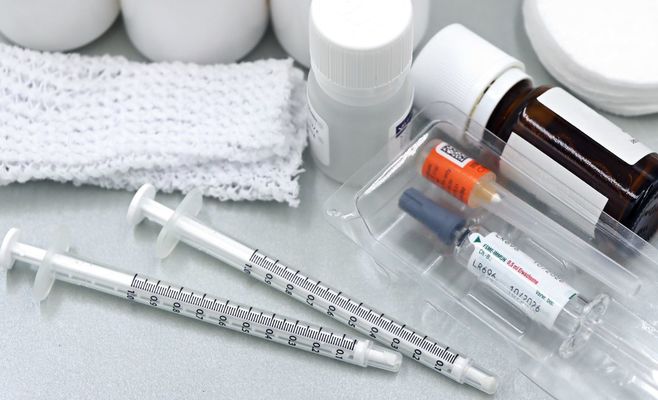
Doctors recommend getting the flu shot in October or November; children can be vaccinated from six months of age, in consultation with a doctor. The priority group includes people over 50, patients with chronic conditions (heart, vascular, kidney or liver disease, diabetes, respiratory illnesses), people with severe immunodeficiency, and those who have had meningococcal or pneumococcal infections. For most of these groups, the vaccine is covered by public health insurance.
The COVID vaccine is recommended for people over 65 and patients with severe chronic illnesses; it's best given from September, before the main respiratory infection season begins. According to the Ministry of Health, on Tuesday, September 15, the country officially recorded 32 COVID cases, two hospitalisations and no patients in intensive care — though the real number of cases is likely higher, since people with mild symptoms usually don't see a doctor.
When to send your child back to the group
According to Trojanová, a child can usually return to nursery or school once their fever has broken and their appetite has returned. "In an ideal world, it would be good to keep them home for another week or so, but that's not always possible — not every parent has that option, and a child who has recovered from the worst of it gets bored at home and looks perfectly healthy," the doctor explained.
The problem is that children often go back before they've fully recovered, making them more vulnerable to new infections — which they can then pass on to other kids. This sometimes creates a vicious cycle, and repeated infections eventually lead parents and doctors to consider antibiotics — which, the doctor reminds us, only work against bacteria, not viruses.
How to boost your child's immunity
Lucie Střelková, a health education specialist at the Loono organisation, advises: children need quality sleep, regular physical activity, a varied diet rich in fibre, vitamins, vegetables, fruit and fermented foods, and enough fluids. It's also important to teach children to wash their hands regularly — especially before eating, after using the toilet, and after playing outside. In autumn, immunity can be further supported with beta-glucans and vitamins D and C.
Keep your child at home if they have a fever, severe fatigue, coughing, vomiting or diarrhoea — until they're no longer contagious and feel well again. See a doctor immediately if there are breathing problems, bluish lips, refusal to drink fluids, or if a fever lasts more than three days and doesn't respond to medication. If a doctor prescribes antibiotics, bed rest is required until the course is finished, and it's the doctor who decides when the child can return to school.
Source: denik.cz