Prague elections on 9–10 October: how to vote and what to bring
USD 21,81
Popular
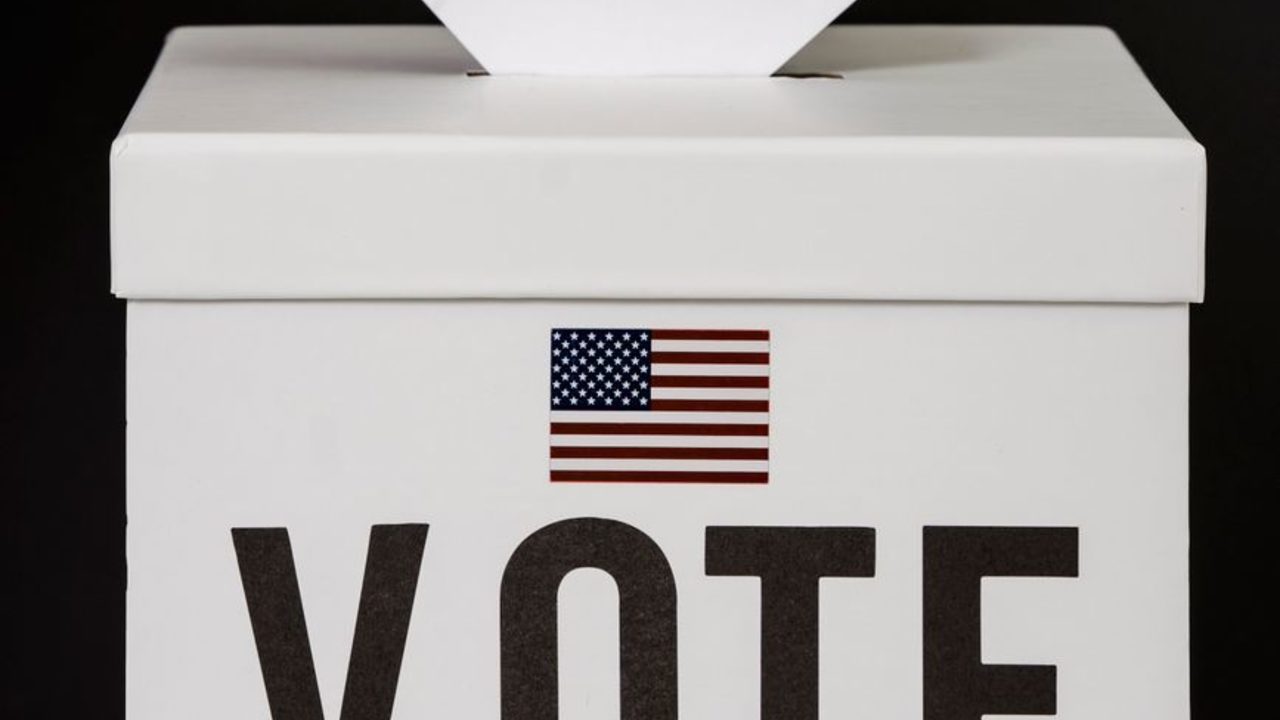
In 2026, Prague residents are electing the members of the capital’s city council and of their own district council. You can vote on Friday, 9 October, from 2 pm to 10 pm, or on Saturday, 10 October, from 8 am to 2 pm. Both councils are elected at the same polling station, and in some districts senators are elected as well.
Where to vote and what to bring
You can vote only at the polling station for your permanent residence; you cannot vote at just any station in Prague. The address of your station is printed on the envelope with the ballots, on your district’s website and in the Kudykvolbám app. One building may house several stations, so find out the exact station number too.
You need a valid Czech citizen’s ID card or passport; a driving licence is not enough. You can also prove your identity with the eDoklady mobile app: before the elections you need to download the latest version and, within the last 48 hours, refresh the digital document online. In case of technical problems, it is best to bring a regular ID card or passport as well. The ballots that arrive in your mailbox can be taken with you and filled in at home. If you do not have them or have forgotten them, the commission will issue new ones.
At the station you show your document, the commission checks your details against the list and gives you a grey official envelope with a stamp. Then, behind the screen, you mark your choices and put both ballots into the envelope. Even if you filled them in at home, they are still placed in the envelope behind the screen.
Which ballots you will receive
Everyone gets two separate ballots: one for the Prague city council and one for the council of the district where you are permanently registered. They list the parties and candidates, usually in columns. Ballots must not be cut or torn; you must vote with the whole sheet. The word “sheet” hardly conveys the size of these broadsheets, which are not nicknamed “bedsheets” for nothing.
The ballot for the city of Prague has 24 groupings and up to 65 candidates. On average, a Prague district has 5.4 groupings and 20 councillors, but the figures vary widely between districts. Prague 1 has the most contestants: 14. Only one party is running in Běchovice, Benice, Březiněves, Kralice, Lochkov, Nedvězí, Přední Kopanina, Štěrboholy and Troja.
How the crosses work
In both cases the system is the same. The voter has one “big cross” for a party, and only one can be marked. The marked party receives as many votes as there are candidates on its list, so a single cross for a party in the city council gives it 65 votes. In addition, there are “small crosses” for individual candidates, as many as there are councillors on the council: 65 for the Prague city council. You do not have to use them all. A vote for a candidate is always also a vote for their party.
You can combine both approaches: mark a party and then add candidates from other parties. The decision is made separately on each ballot, so, for example, you can support one party for the city council and choose another party, or specific individuals, for the district council.
The number of councillors and “small crosses” depends on the district’s population as of 1 January of the election year. The law sets a range, and the districts decide the exact number themselves. Prague’s record holders: the fewest councillors, 5, are in Prague-Kralice and Prague-Nedvězí, and the most, 45, in Prague 4, 6, 8 and 10.
In 2026 senators are being elected in three Prague constituencies: No. 21 (Prague 5 and Prague 13), No. 24 (Prague 9, 14, 19 (Kbely), 20 (Horní Počernice), Klánovice, Dolní Počernice, Satalice and Vinoř) and No. 27 (Prague 1, Prague 7, Troja and parts of Prague 2 and 6). The boundaries of constituencies and districts differ, even though the names coincide.
Read also: Exchanging a driving licence for a Czech one
Source: novinky.cz