Poll: Pavel leads potential candidates for Czech president in 2028, followed by Babiš and Eben
USD 21,81
Popular
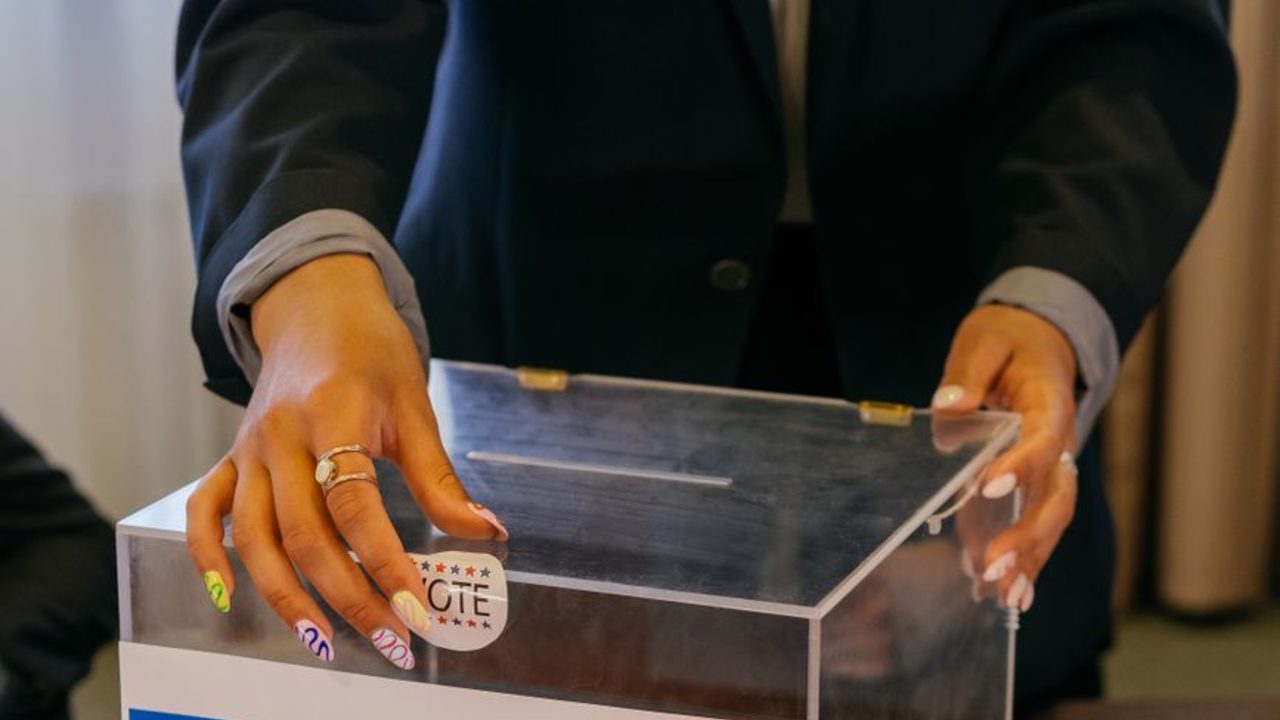
Incumbent Czech President Petr Pavel remains the clear frontrunner in a hypothetical 2028 presidential race. According to a survey by the STEM/MARK agency, 36% of respondents say they would vote for him, with another 16% considering the option. The poll was conducted between August 31 and September 7 among 1,008 people.
When asked an open-ended question about who should become the next president, only 40% of participants named a specific person — the rest were either undecided or simply not yet thinking about the 2028 race.
Eben and Vachut — surprise favourites
When respondents were shown a list of specific names, actor and TV host Marek Eben unexpectedly came in second: 11% said they would vote for him, while another 31% said they might. Analysts at the agency note that Eben has consistently ranked near the top in previous surveys from 2019 to 2023, despite having repeatedly and firmly ruled out running himself. Actor Marek Vachut shows a similar pattern — 7% of respondents would vote for him, with 21% considering the option.
Former President Miloš Zeman, who recently teased the possibility of running again, trails well behind Eben: only 8% of those polled would support him, with another 16% open to the idea.
Babiš has the broadest base of support
ANO leader Andrej Babiš ranks third overall, but boasts the broadest solid electorate among all contenders: 16% of respondents said they would definitely vote for him, with a further 24% considering it.
Rounding out the top five are ANO deputy chairman and Industry Minister Karel Havlíček (9% firm support, 23% considering) and the aforementioned Marek Vachut. Lawmaker Tomio Okamura trails noticeably, with 7% firm support and 15% who might vote for him.
Czechs place less value on decency
The survey also found that society sees no need to change the scope of presidential powers and generally expects the head of state to be, above all, dignified and intelligent.
However, agency analyst Jan Burianec pointed to an intriguing detail: the importance placed on decency has noticeably declined. While at least 20% of respondents spontaneously mentioned this trait in previous waves of the survey, only 15% did so this time. In his view, this could mean either that the current president has, through his own example, made decency in office a taken-for-granted norm — or that demand for it in politics as a whole is simply fading.
Source: novinky.cz