Princess Dorothea Lieven: how a salon hostess shaped Europe's destiny
USD 21,74
Popular
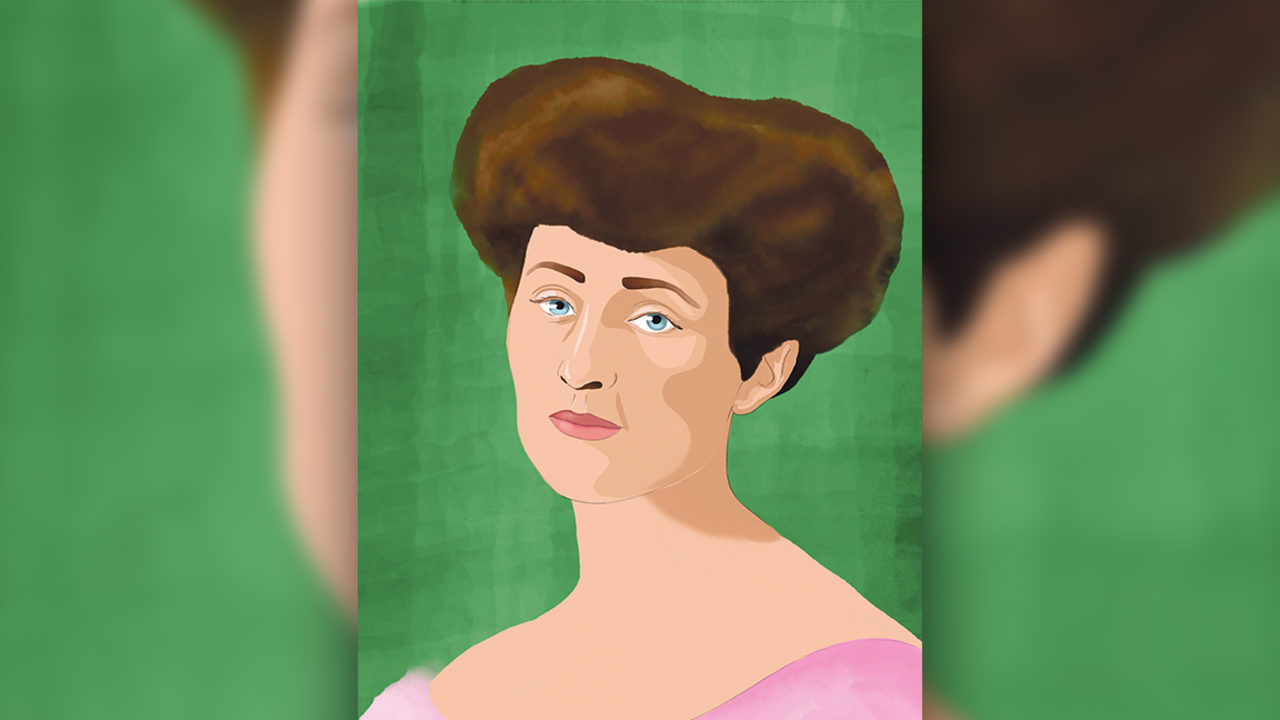
Princess Dorothea von Lieven — a Baltic German aristocrat born in Riga in 1785 — went down in history as a woman who, without ever holding an official position, influenced European politics for decades through her literary salons in Berlin, London and Paris. Her contemporaries called her "the diplomatic Sibyl of Europe," and Russian Emperor Alexander I once remarked: "It's a pity Princess Lieven wears a skirt — she would have made an outstanding diplomat."
From an arranged marriage to salon power
The daughter of a Russian general and a lady-in-waiting to Empress Maria Feodorovna, Dorothea was orphaned young and married Prince Christoph von Lieven — a Russian general and future diplomat — at just 14. Although the marriage had been arranged, genuine affection grew between the couple, and under his wife's influence Christoph chose a diplomatic career, first representing Russia in Berlin and then serving as ambassador in London from 1812 to 1834.
While her husband handled official diplomacy, Dorothea built an informal network of influence. In Berlin she opened a literary salon that strengthened her husband's connections and reputation, and in London, at Stratford Place, her salon became a hub of political life, playing an important role in shaping British aristocratic attitudes toward tsarist Russia during the anti-Napoleonic coalition. At a time when women had no political voice, salons were exactly where reforms were discussed, alliances forged, and important decisions prepared — and receiving an invitation to Dorothea's home was itself a mark of social significance.
Affairs with statesmen
Dorothea was not considered a beauty, but she captivated people with her wit and charm — it was thanks to her that the Viennese waltz, once considered too risqué, became fashionable in England. She grew close to the future King George IV as well as ministers and prime ministers from various countries, and in 1818 began a years-long affair with Austrian Chancellor Klemens von Metternich. Rumor even claimed he had fathered her son George.
The lovers rarely met in person but carried on an intense correspondence for eight years while living hundreds of miles apart. "I see no great danger in continuing our romance, since five hundred miles separate us, and we surely have enough wit for such an amusement," Dorothea once wrote. The affair ended in 1827, when she learned of Metternich's involvement with a younger woman.
Thanks to her skill at extracting confidential information from politicians of both parties, as well as their wives and mistresses, Dorothea became more influential than her own husband — London society jokingly called the couple "the two Russian ambassadors." According to contemporaries, the Russian foreign minister valued her reports on European politics more highly than her husband's dispatches, and she earned a lasting reputation as a secret agent and spy of the tsarist court.
The Paris salon and the inspiration for Tolstoy's heroine
In 1834 the couple returned to Russia, but Dorothea struggled to bear the loss of her London life and the harsh climate. After the deaths of her two younger sons, she left the country alone and moved to Paris, never seeing her husband again. There she opened another influential salon, frequented by France's leading politicians and diplomats — her friend Countess Harriet Granville joked that "if the executioner were appointed prime minister today, she would gladly welcome him into her home."
Decades later, Dorothea's image as a salon hostess inspired Leo Tolstoy to create the character of Anna Pavlovna Scherer in War and Peace (1867). In 1836 she met the French historian and statesman François Guizot, the future foreign minister — their romance lasted twenty years. The couple met several times a day and wrote to each other constantly whenever apart, yet they never married or lived together — nevertheless, Guizot was likely the one true love of her life.
Dorothea Lieven died in her Paris home at the age of 71. At her own request, she was buried in a velvet gown with a tiara beside her sons George and Arthur at her parents' ancestral estate — Mežotne Castle in Latvia.
Read also: Prague Castle from the inside: 9 spots within the fortress you shouldn't miss
Source: novinky.cz