Russian "System Insider" Economist Admits: War Will Trigger a Social Crisis Back Home
USD 21,73
Popular
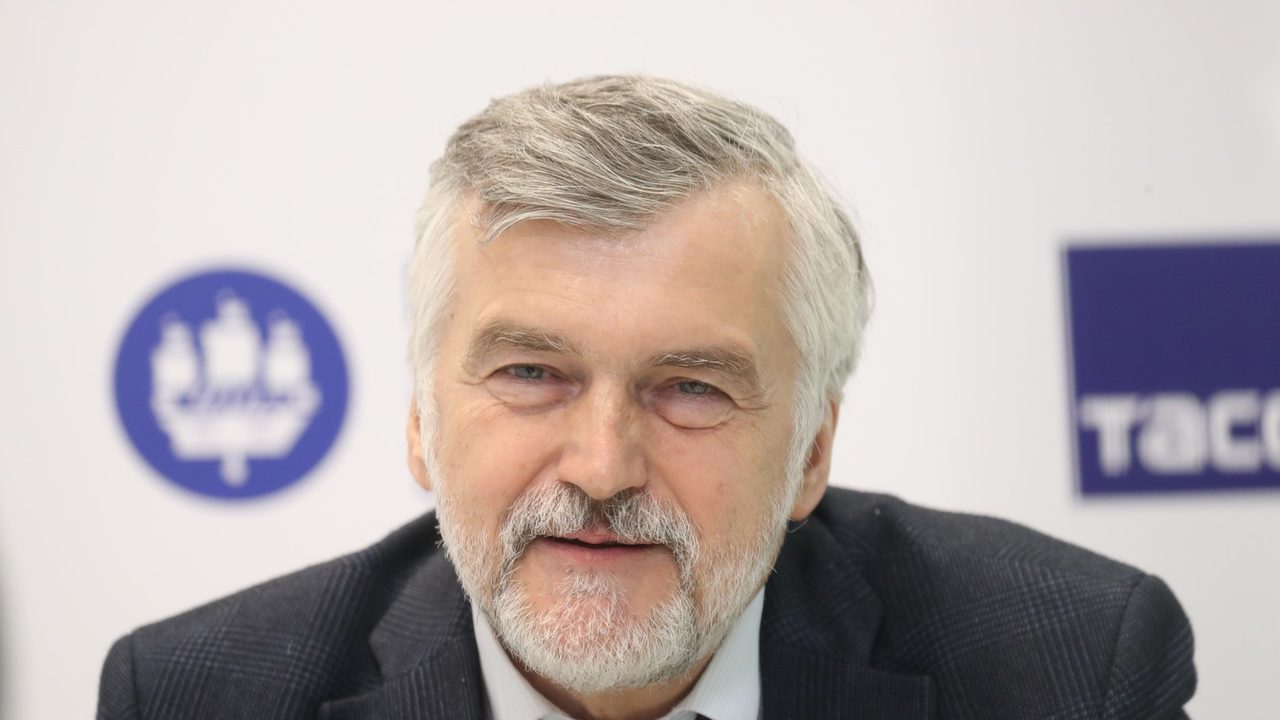
Andrei Klepach, chief economist at Russia's state development corporation VEB, has publicly admitted that Russia is losing the technological and economic race — not only to China and the United States, but in some respects even to Ukraine. He made the remarks at a meeting of the Nikitsky Club, a Russian discussion forum bringing together economists, scholars and government officials, according to a Russian émigré outlet that reported his comments.
"We're falling behind. We're losing the technological and economic race globally. And as I've said before, we're losing not just to China and the US, but in some respects to Ukraine as well," Klepach said. According to him, Ukraine's economy has been partially destroyed and the country is facing a demographic catastrophe, yet it keeps functioning against all odds, propped up by massive financial support from the West. That, the economist argued, is precisely why Russia cannot win a war of attrition: "We have this illusion that everything over there is about to collapse. It hasn't collapsed, and it won't" — even as Russia's own military spending keeps climbing.
The economy has slid into recession
Klepach noted that after the war-fuelled boom of 2023–2024, Russia's economy has tipped into decline this year: investment has dropped sharply, and civilian industries — from aviation and construction materials to light manufacturing and food production — have all slipped into recession. Making matters worse, he said, is the extremely tight monetary policy of Russia's Central Bank, which is responsible for at least half of the overall economic downturn.
"The conflict in Ukraine, with NATO's involvement, has now lasted longer than the Great Patriotic War, and there's still no end in sight. Both sides are intensifying strikes, including against each other's economies. Losses from Ukrainian attacks on our infrastructure — ports, oil and gas facilities, chemical plants, logistics networks — are mounting and are already becoming a significant macroeconomic drag on Russia's growth," the economist acknowledged.
The crisis will come as a surprise
Given sweeping sanctions and mounting losses from Ukrainian strikes, Klepach estimates that Russia's potential growth rate may not exceed 1 to 1.5 percent. All of this, he said, will inevitably push Russia toward a social crisis — one that will hit "precisely when hardly anyone expects it."
He drew a parallel with 1917, noting that no one foresaw the February Revolution either, and that the Soviet collapse, though long brewing, was never "fatally inevitable." "I believe Russia won't fall apart, but I'm nearly certain there will be a social crisis. We won't collapse economically, but our lag behind the rest of the world will keep growing, with all the consequences that entails," Klepach concluded.
Andrei Klepach served as Russia's deputy minister of economic development from 2008 to 2014. Before that, he headed the ministry's macroeconomic forecasting department and later ran the research department at Russia's Central Bank. Since 2014 he has been chief economist at the state development corporation VEB.
Source: novinky.cz