A Silver Dollar That Was Never Meant to Exist May Fetch $2 Million
USD 22,18
Popular
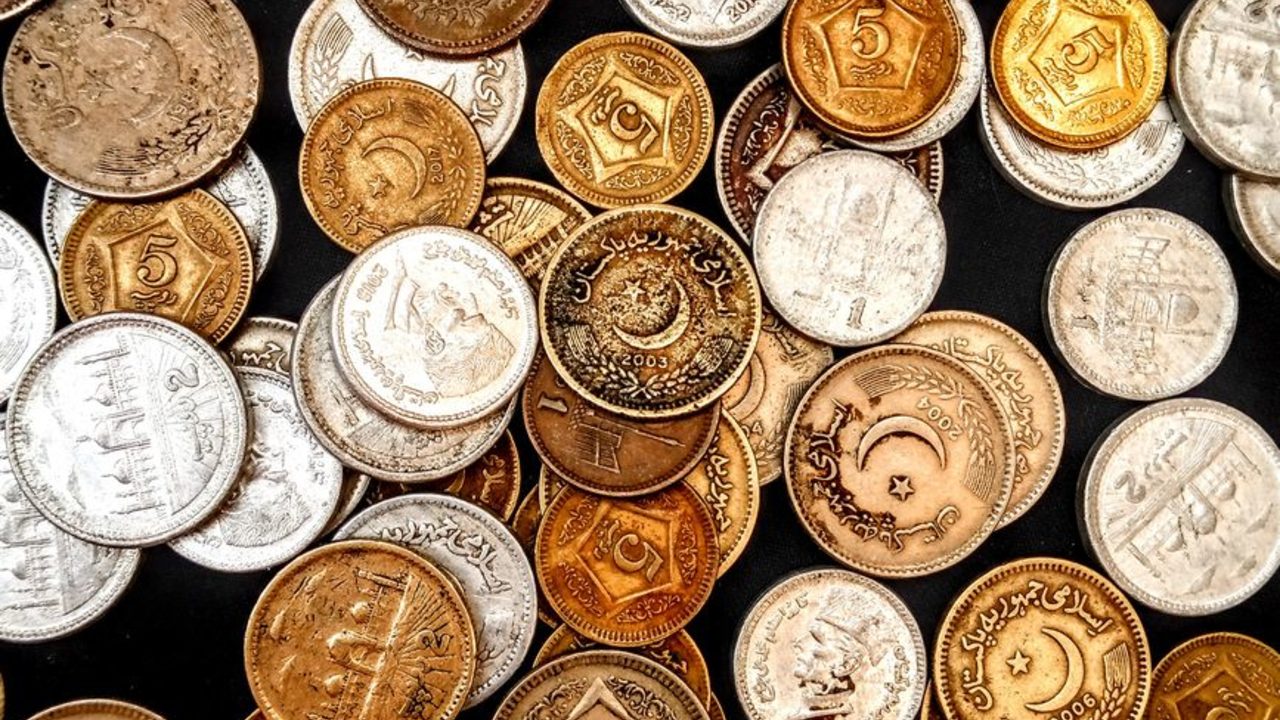
One of the rarest coins in U.S. history, an 1885 silver trade dollar, is scheduled to go up for auction this week and could sell for more than $2 million, according to Popular Science. Only five of the coins are known to exist, and how they came to be is still unclear more than 140 years after they were struck.
Stack’s Bowers will offer the coin as part of its Rarities Night series on Tuesday, Nov. 17. The puzzle for collectors is why the coins exist at all, since the Mint had already decided to stop making them.
How the trade dollar came and went
The U.S. struck its first trade dollars in 1873 as a way to compete with similar silver coins in East Asia, Popular Science reported. The series did not last. Swings in the silver market and shifts in foreign policy led to the coins being demonetized in 1876. From 1879, they were minted only for collectors.
By 1884, the government had commissioned just 10 trade dollars before retiring the series and destroying the dies used to make them. On paper, that should have been the end of the story.
The official who kept five
The five 1885 coins are tied to A. Loudon Snowden, whom Popular Science describes as a corrupt political appointee. His career with currency began in 1857, when his uncle, a former Treasurer of Pennsylvania, hired him at the Philadelphia Mint at age 22. According to the outlet, he pursued personal money-making interests while he worked there, including secretly producing and selling thousands of rare coins to collectors.
Snowden retired as Superintendent of the Philadelphia Mint in 1885 after nearly three decades. Before leaving, the outlet reported, he bought five 1885 trade dollars from the Mint cashier as what it called a parting gift to himself. Nobody knew the coins existed until a year after his death in 1912. The first 1885 trade dollar sold at auction in 1913 for $1,140, which Popular Science put at about $32,174 in current value.
Two readings of the same purchase
The skeptical view. Some numismatists and historians argue the five coins were a final act of self-dealing by an official who had a record of using his post for private gain. In that telling, the coins were never meant to exist outside his own hands, and their rarity is a product of his scheme.
The mundane view. Other experts say the backstory is far more ordinary. Until the 1930s, Mint employees were legally allowed to buy examples of new coinage for their equivalent amount. Snowden did exactly that when he bought 10 proof 1884 trade dollars earlier. It is possible, these experts say, that he bought the next year’s coins before the decision was made not to mint any more.
Popular Science noted that the true story remains uncertain either way. Both explanations agree on the basic facts: five coins exist, and they were bought by Snowden.
What’s at stake for collectors
For collectors, the sale is a rare chance to own a coin many have long dreamed about. With only five known examples, any one that comes to market draws attention, and the expected price of more than $2 million reflects that scarcity. The sale price also gives a sense of how far the coin’s value has moved since 1913, when the first one fetched $1,140.
The auction will not settle the debate over whether Snowden’s purchase was a last grift or a legal use of an employee privilege. But it will show what buyers are willing to pay for a coin that, by the government’s own plans, was never supposed to be made.
What happens next
The coin is due to cross the auction block at Stack’s Bowers on Nov. 17 as part of Rarities Night. Popular Science said it could sell for over $2 million.
Around Prague, based on reporting by Popular Science