Leonid Meteors Peak This Week, Striking the Sky at 71 km/s Beside Mars and Jupiter
USD 22,18
Popular
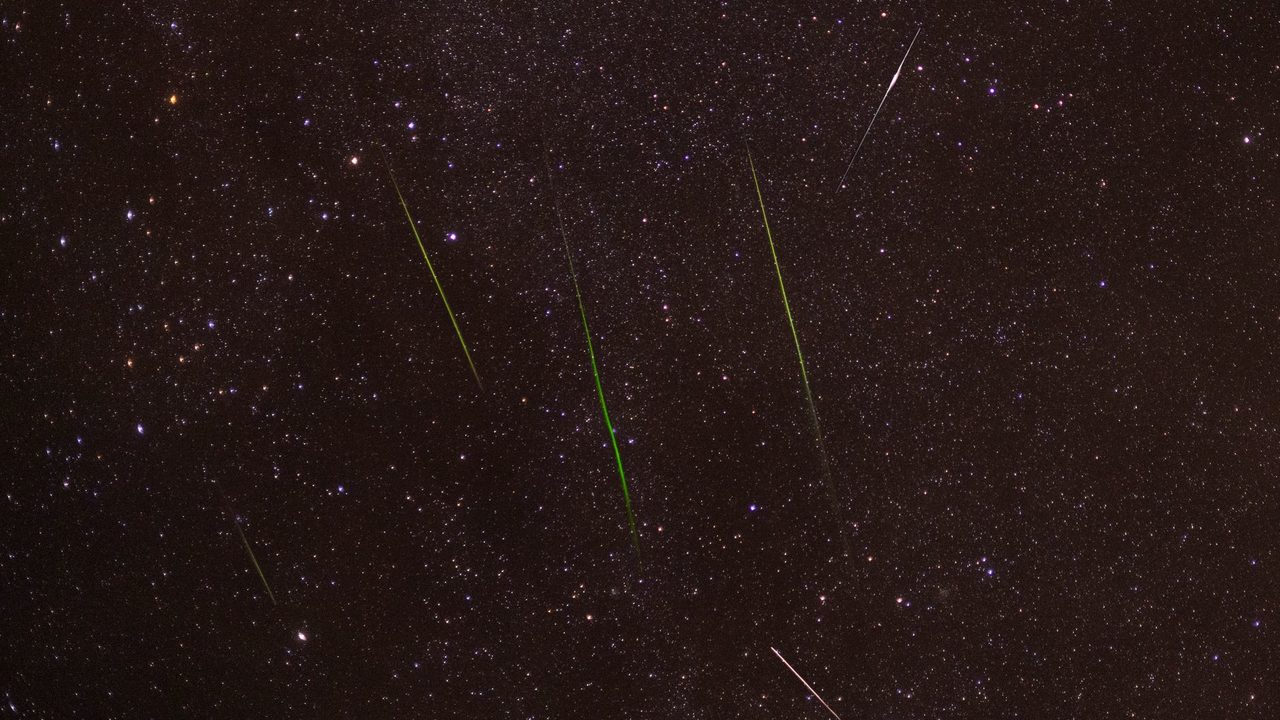
The annual Leonid meteor shower reaches its peak on the night of Nov. 17-18, and the best viewing comes in the hours before dawn on Nov. 18. The Guardian and Space.com both say the shower is known less for its numbers than for bright, fast streaks.
Forecasts for how many meteors to expect differ. The Guardian says observers under ideal conditions may see 10-15 an hour. Space.com, citing the International Meteor Organisation, gives up to 15 an hour under perfect dark skies, while NASA has offered a more cautious figure of less than three an hour.
Where the Leonids come from
The meteors are grains of dust shed by comet 55P/Tempel-Tuttle, which circles the Sun about every 33 years. As Earth crosses the comet's debris stream, the particles hit the atmosphere at about 71 km/s, according to the Guardian. That puts the Leonids among the fastest meteors of any annual shower and explains why they often leave bright, short-lived trails.
The meteors seem to fan out from a point, called the radiant, in the constellation Leo, the lion. Leo rises in the east after midnight and climbs higher as dawn approaches, so conditions improve through the night.
What makes this shower unusual
Space.com reports that the Leonids are known for fireballs and for Earth-grazing meteors. These skim the atmosphere at a shallow angle, leave long trains and then pass back out into space.
The shower can also turn into a meteor storm when Earth passes through an especially dense trail of comet debris. This is not expected this year. Space.com says the Planetary Society sees another storm possible as early as 2031, and a study released in August 2026 predicts potentially spectacular displays in 2033 and 2034.
Why it matters for anyone heading outside
For casual observers, the main practical points are timing and expectations. Space.com says the radiant reaches its highest point in the southeastern sky before dawn on Nov. 18. By then the waxing moon will have set, leaving darker skies for spotting fainter meteors.
Space.com also advises looking at a patch of sky a short distance from Leo rather than straight at it. Meteors near the radiant arrive almost head-on and leave the shortest trails, while those farther away look more impressive. It suggests giving your eyes 20-30 minutes to adjust to the dark.
Because the predicted rates are modest and the sources disagree, a viewer may see only a handful of meteors, or very few. The Guardian says the show is worth the effort, and not only for the shooting stars. Mars and Jupiter will form a bright pair just in front of Leo's chest. Space.com adds that the two planets sit only a few degrees apart in Leo on the night of the peak, which makes the constellation easy to find this year.
Viewing from the Southern Hemisphere
The Guardian notes that from the Southern Hemisphere, Leo stays fairly low in the northern sky. The hours just before dawn are therefore the best time to watch from there.
Around Prague, based on reporting by The Guardian, Space.com, Scientific American