Fossil Teeth Hint That Coastal Dinosaurs Ate Seaweed 100 Million Years Ago
USD 22,10
Popular
Dinosaurs that lived along ancient coastlines may have supplemented their diets with seaweed and other food from the ocean, according to a new study reported by ScienceDaily on Nov. 14. The evidence comes from the chemistry of fossilized teeth, which suggests that nutrients from the sea reached land animals more than 100 million years ago.
The work, published in Frontiers in Ecology and Evolution, points to a link between land and sea food chains in the Cretaceous Period that had not been documented before. The researchers say it resembles what coastal animals do today.
What is marine subsidization?
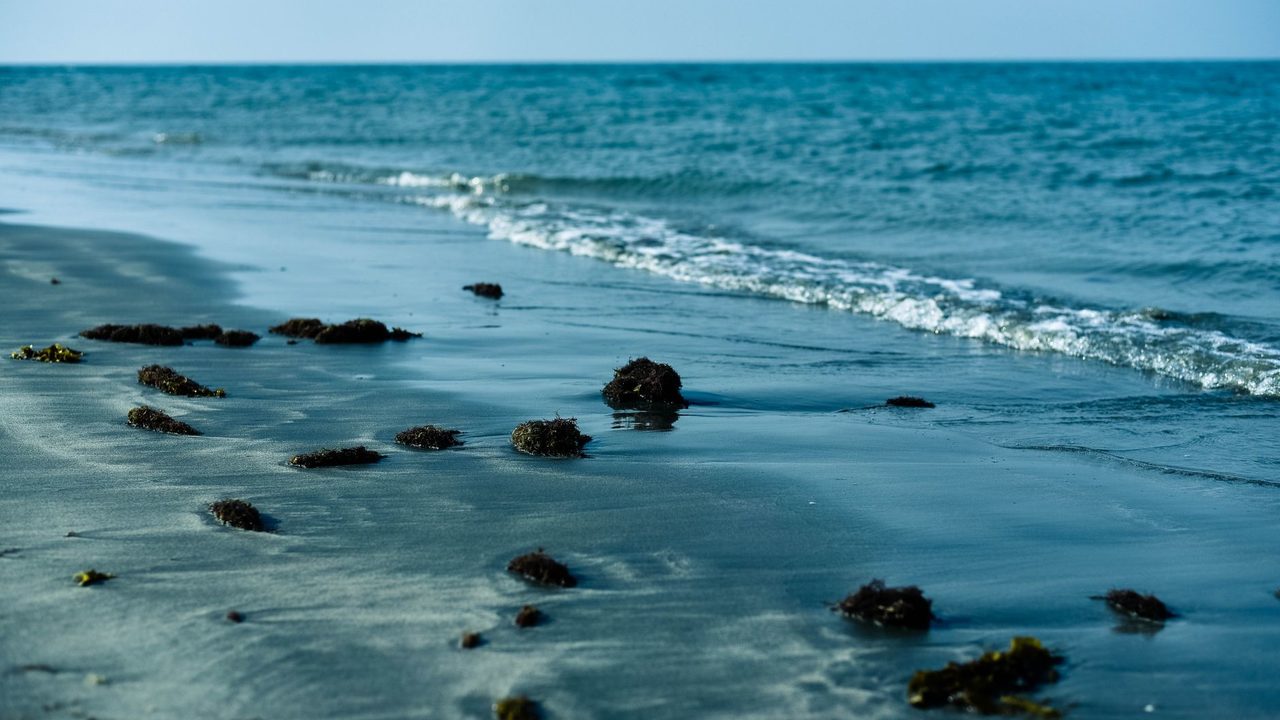
Scientists use the term marine subsidization for the process in which seaweed and other ocean material washes onto shorelines and becomes extra food for land animals. Powerful storms can deliver this material, and it tends to matter most when food on land is scarce, such as during droughts.
The new study suggests the same relationship existed in the age of dinosaurs. Lead author Clayton Forster, a geologist at the University of Arkansas, said coastal land animals of the warm Cretaceous climate relied on marine resources in a way similar to modern ones.
How do teeth reveal what an animal ate?
Plants contain two forms of carbon, called isotopes: a lighter one, C-12, and a heavier one, C-13. The ratio between them, written as δ13C, acts as a chemical fingerprint that passes from food into the animals that eat it and ends up in tooth enamel.
In living animals, enamel usually shows a higher δ13C value than the diet, by between 11 and 13 parts per thousand. Earlier measurements of dinosaur teeth, however, kept coming out unusually high. The values were also above what scientists would expect from animals that ate only land plants, which generally have lower δ13C than most marine plants.
One possible explanation was that dinosaurs, or the animals they hunted, were getting some nutrients from the ocean.
What did the researchers examine?
The team studied fossils from sites that were once coastal, along the Western Interior Seaway and the ancient Gulf of Mexico shoreline. Around 100 million years ago, the seaway was a huge inland sea that split North America into two landmasses. They also analyzed fossils from farther inland to compare animals that lived near the ocean with those in landlocked settings.
The deposits date to two stretches of the Cretaceous: the early Albian, about 113-107 million years ago, and the early Cenomanian, about 100-96 million years ago. The researchers measured carbon isotopes in powdered fossil material and worked out the latitudes where the animals had lived, to test whether geography played a role.
A clear pattern emerged. Coastal fossils consistently had higher δ13C values than those from the inland formation, and the coastal signatures stayed similar across locations, latitudes and ages. According to the report, these findings are the first evidence of marine subsidization in prehistoric ecosystems.
Why seaweed?
Forster said the signal appears in everything from fish to huge plant-eaters, which means the extra carbon must have entered near the bottom of the food chain, where it could affect both aquatic and land animals. The source also had to exist along coasts but not inland, and persist for millions of years.
Few things fit those criteria besides marine algae and similar plants, Forster said, which points to seaweed. He noted that large coastal plant-eaters today often add seaweed to their diets, and he considers it likely that most of the plant-eating dinosaurs sampled did the same. The researchers say the marine signal also passed to other animals through the food chain, and the study found it in the bones and teeth of dinosaurs, crocodiles, turtles and fish.
Why it matters
For general readers, the finding changes the picture of how dinosaurs lived. Rather than eating only what grew on land, coastal species may have drawn on the sea when land food ran short, much as animals do near shorelines now.
It also gives scientists a way to read ancient diets from fossils and may help explain why earlier dinosaur teeth looked chemically unusual. The seaweed explanation is the researchers' most likely interpretation of the chemical pattern, not a direct observation of dinosaurs eating it, so it is best read as a well-supported hypothesis that other teams can now test.
Read next
Turkey-Sized 'Hell Chicken' Dinosaur Ate Fruit, Jaw Scans Suggest
Colombian Fossils Show Giant Sea Reptiles and Sharks Sharing an Ocean as Eras Shifted
Armored Amphibian Fossils From China Suggest a Creature That Never Left the Sea
Around Prague, based on reporting by ScienceDaily