Ice Age Humans Left DNA in Cave Dirt: Scientists Read It 22,000 Years On
USD 22,26
Popular
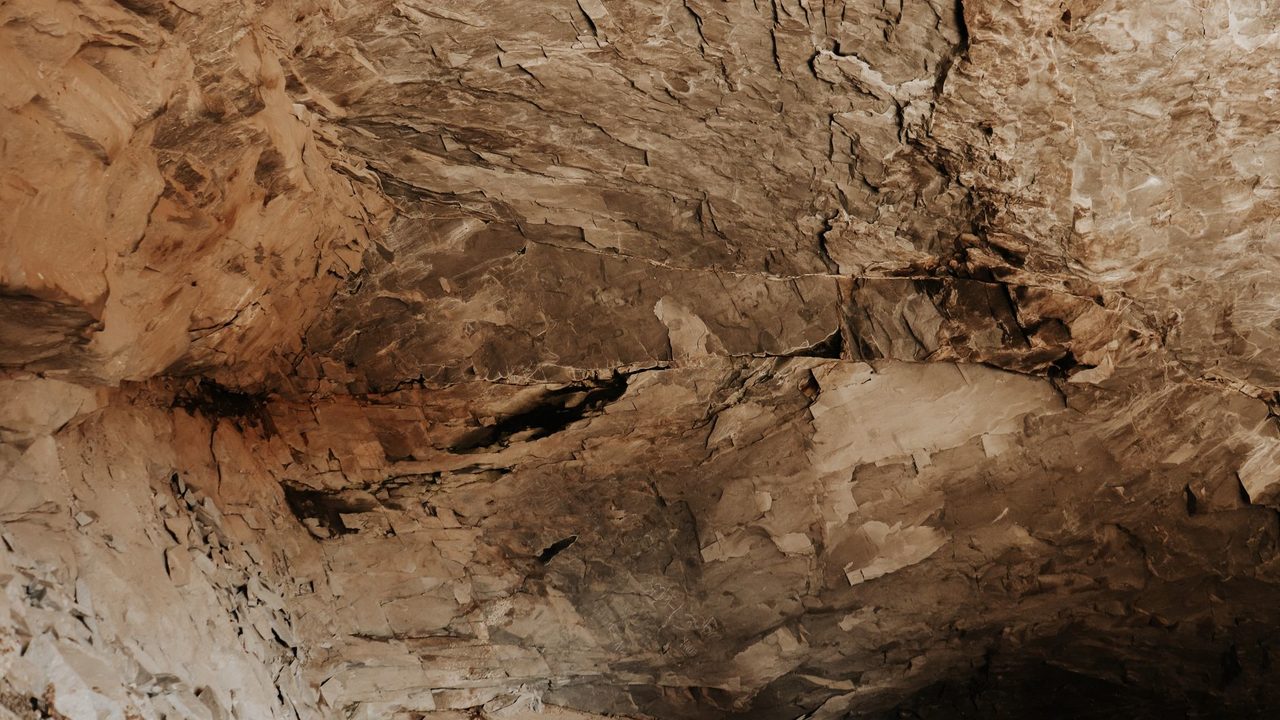
Researchers have recovered ancient human DNA from a small scoop of dirt in El Mirón Cave in Spain, in a layer that contains no bones, teeth or fossils, according to ScienceAlert. The genetic material comes from several people who lived there roughly 22,000 years ago, during the coldest stretch of Europe's last ice age.
The study, led by researchers at the University of Vienna in Austria, was published in Science Advances. It suggests that people in southwest Europe stayed genetically continuous through that period rather than being replaced.
How DNA was found in plain dirt
The sediment sample weighed no more than a few grains of rice, ScienceAlert reported. The team had to sequence it 100 times to get enough usable data, and it sifted through more than a billion DNA fragments to find human traces. Modern contamination also had to be accounted for.
The DNA was probably shed long ago from the skin, hair or blood of people sheltering in the cave. This kind of material is called sedimentary DNA, or sedaDNA.
What the DNA suggests about the people
Skeletons from this period are extremely rare. ScienceAlert says only a few human remains are known from this time and culture, and two of them are of very poor quality. The cave sample adds genetic information where little existed.
According to the report, the DNA suggests the cave's inhabitants probably belonged to a western ancestry group with dark skin, hair and eyes. The sample appears to come from a mix of individuals, including more males than females.
A timeline of ancient DNA from cave sediment
- About 31,000 years ago: an ancient woman in France lived. Her remains were later compared with the El Mirón DNA and showed some Eastern ancestry.
- About 25,000 years ago: a tooth from northern Spain dates to this time. It also showed some Eastern ancestry. Separately, a woman in a cave in Georgia lived around this time; in 2021, researchers pulled mitochondrial DNA from the cave's mud floor.
- About 22,000 years ago: the people who left DNA in El Mirón Cave lived there, and their DNA shows only western ancestry.
- 2025: researchers reported animal and human mitochondrial DNA in El Mirón dirt samples dated between 46,000 and 21,000 years ago. Animals and humans appear to have used the cave at different times. This year, human DNA was also reported preserved on the wall of a rock art cave in Argentina.
The new work goes further than the 2025 finding. Mitochondrial DNA is passed down only through maternal lines, while nuclear DNA comes from both parents and holds more detail about an individual's lineage.
Did populations mix or get replaced?
Lead author Pere Gelabert and colleagues compared the El Mirón nuclear DNA with the French woman and the northern Spain tooth. Both showed some Eastern ancestry, which suggests populations at both ends of Europe were interbreeding before the last glacial maximum. The El Mirón DNA, by contrast, shows only western ancestry.
The authors wrote that their data argue against a major population replacement or discontinuity at this point. Instead, the population in southwest Europe between 30,000 and 20,000 years ago appears to have been relatively continuous.
Why it matters for the study of the past
Samples of human DNA from this time and place are still scarce, and ScienceAlert says sedaDNA has practically doubled the evidence available. Without the need for physical remains, researchers may be less limited by the fossil record.
A 2025 review cited in the report argues that sedaDNA could deepen understanding of human dispersal, hunter-gatherer interactions, early agriculture, domestication and disease, although technical challenges remain. The study authors said future work combining more skeletal genomes with sedaDNA datasets will be essential to clarify the processes that shaped the genetic landscape of Europe's Upper Paleolithic populations.
Around Prague, based on reporting by ScienceAlert