Wolves in Šumava and Bavarian Forest: at least 43 predators
USD 21,75
Popular
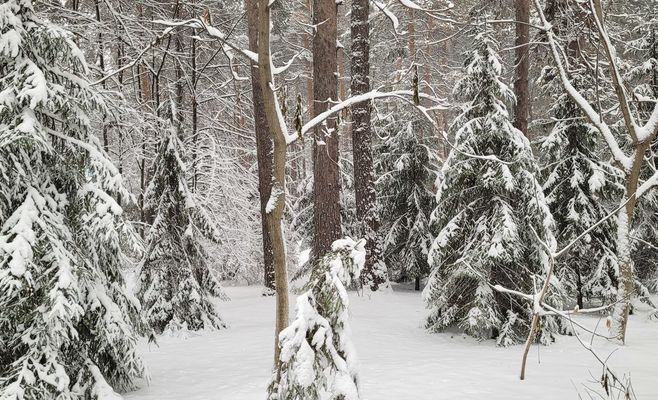
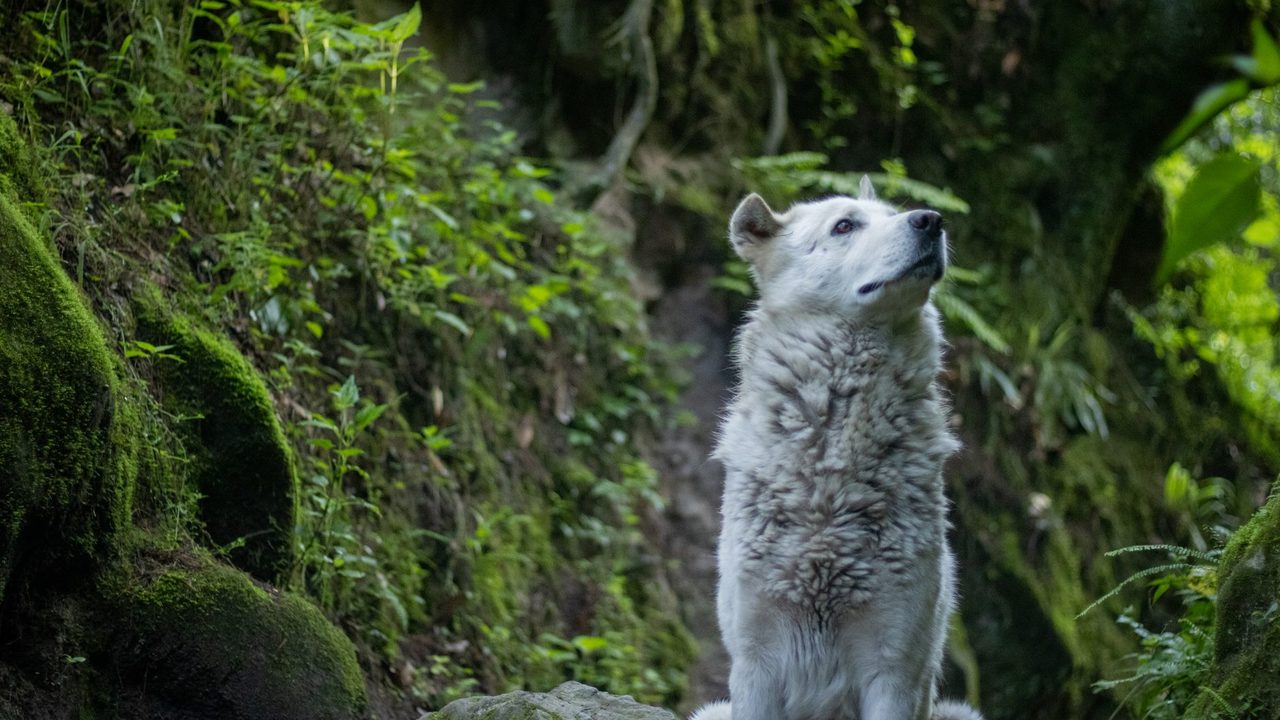
At least 43 wolves lived in Šumava and Germany’s Bavarian Forest last year. Scientists also studied the predators’ diet by analysing their droppings.
Hoofed game, mainly deer and roe deer, makes up the bulk of their diet. “Interestingly, the share of beaver is growing: where it once made up one percent of a wolf’s diet, it is now around three to four percent,” said Dvořák. The rise is linked to there being more beavers in the wild. Roughly one percent of the wolves’ diet is livestock.
More wolves means different practices for hunters. Where they once took a thousand deer a year, last year it was only 400. “Around 500 more fell prey to wolves. That means the ecosystem is better able to regulate itself. And ideally, of course, hunters would not have to shoot deer at all,” Dvořák noted.
Wolves help keep in check the overpopulation of deer, which damage trees. “In recent years there has been less browsing of tree species overall, both in the core of the wolf territories and in areas with heavy recreational use,” said Marco Heurich, who is responsible for the project in Bavarian Forest National Park.
Source: ekolist.cz