Drones Swooping Through Whale Blows Let Scientists Read a Whole Whale Genome
USD 22,26
Popular
Scientists have sequenced the entire genome of a whale using snot collected from its breath by small commercial drones, according to NPR. The team says it is the first time a whole whale genome has been produced from this kind of sample.
The result points to a gentler way of studying the genetic health of wild whales, which have traditionally been sampled with a method that involves a crossbow and can distress the animals. The findings appeared in a study published in Molecular Ecology Resources.
What is whale snot, and why would scientists want it?
When a whale surfaces and exhales, it sends a plume of mist into the air. Scientists call this spout the blow. Marine mammal ecologist Éadin O'Mahony told NPR that the blow is essentially snot, much like the clear, gooey mucus people produce.
That mucus carries a lot of biological information. O'Mahony described bacteria, viruses and other pathogens in it, and NPR reported that it also holds chemicals, cells and fragments of DNA from the animal's respiratory tract.
How do the drones collect it?
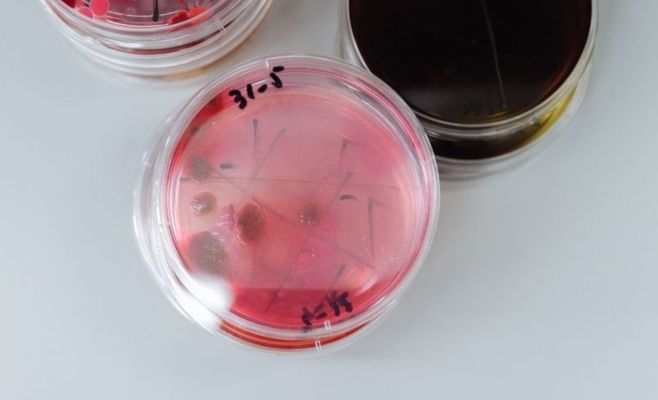
The researchers fly commercial drones fitted with sterile petri dishes, which O'Mahony said are attached with Velcro. As a whale comes up and breathes out, the pilot swoops the drone through the spray.
The goal is to pass through the breath of one whale and only that whale, so each sample represents a single individual. Scientists can then analyze it to learn about the health of that animal and of the wider population. NPR noted that blow sampling itself is not new.
What did the team do that had not been done before?
What is new is how far the team pushed the technique. By gathering multiple samples from individual whales, O'Mahony and her colleagues were able to read what she described as millions and millions of genetic markers from one whale. That gave them the whole genome from a blow sample, according to NPR.
How is this different from the older approach?
Amy Apprill, a scientist at the Woods Hole Oceanographic Institution, was not involved in the study but also works with blow samples, mostly to study bacteria. She told NPR that the earlier standard was dart biopsies, which she called highly invasive. The researchers in this study did a small amount of biopsy sampling as well, she said, to check their results against a known method.
NPR described a dart biopsy as using a crossbow to remove a tiny piece of skin and blubber. That can distress whales, which are already dealing with many stressors, the report said.
Why does it matter?
A whole genome lets researchers examine an animal's genetic health in detail, and doing so without a biopsy dart means less disturbance to the whales being studied. Apprill told NPR she was excited that scientists could get such a close look at an animal without being invasive.
She said the work opens the door to gathering a great deal of information from whales in a safer way, though a snottier one. For people who follow ocean conservation, that suggests health checks on wild populations could become less stressful for the animals.
The NPR report does not say how many whales were sampled in the study or which species was sequenced, and the work has so far been described through a single published paper and one outside scientist's reaction.
Around Prague, based on reporting by NPR