Lipno reservoir now only half full due to drought in Czechia
USD 21,68
Popular
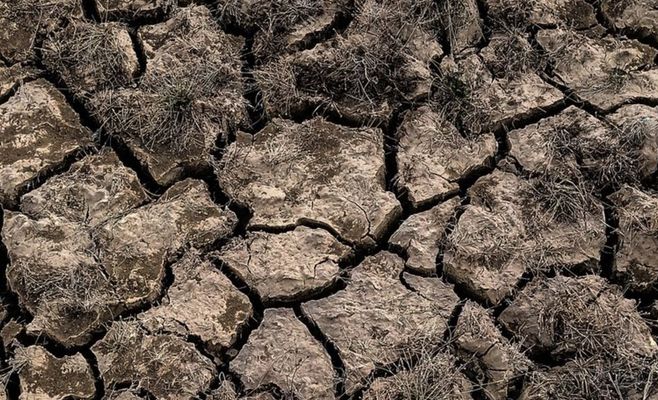
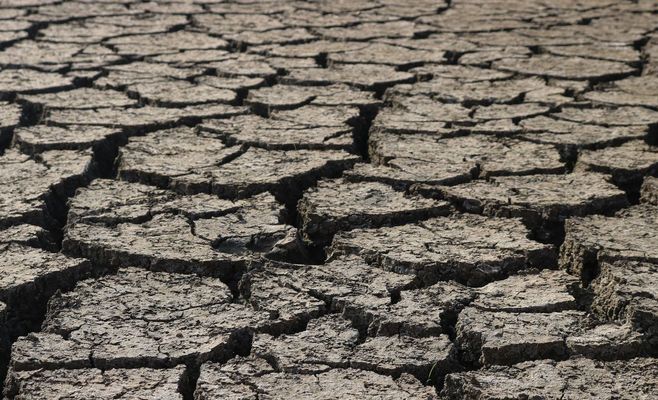
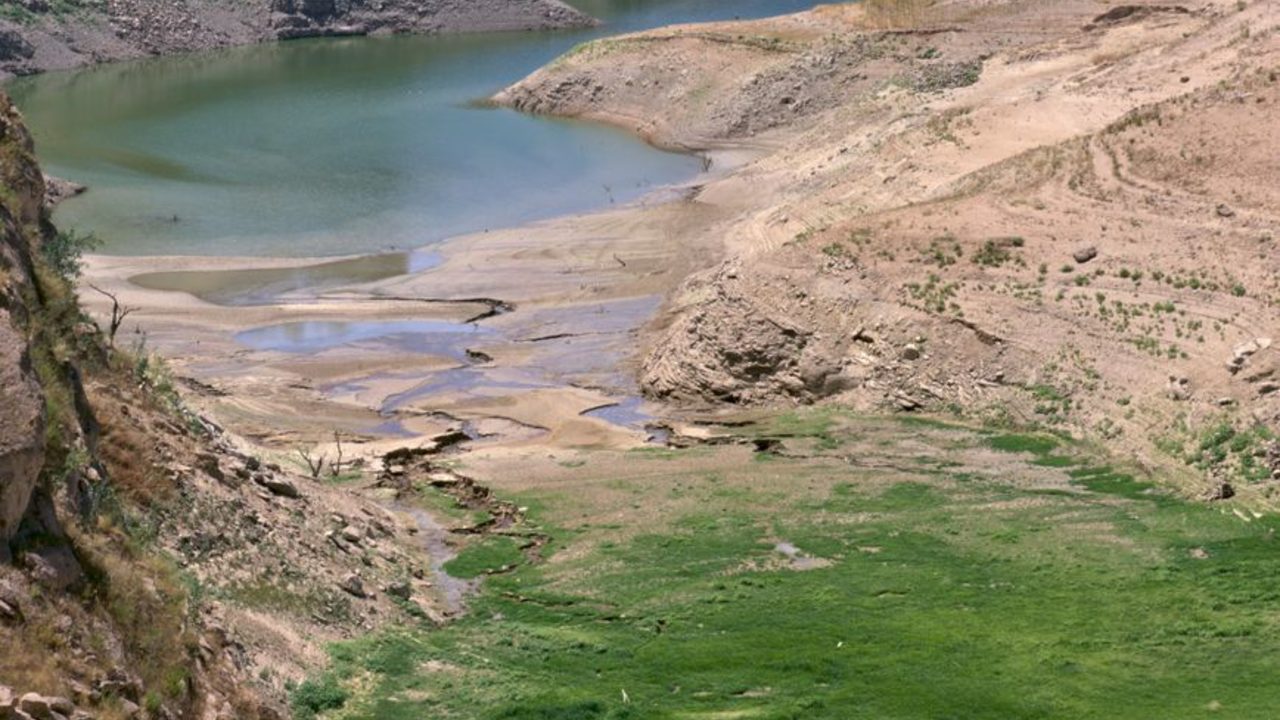
The Czech Republic's largest reservoir, Lipno, is currently only half full: inflow stands at less than two cubic metres per second, while six cubic metres per second are flowing out, Kateřina Štěrbová of the Czech Hydrometeorological Institute in České Budějovice told ČTK.
“This means the water level is dropping by several centimetres every day,” the specialist noted. In part of the reservoir near the inflow, the water has already returned to the Vltava's original riverbed, with the flooded area now beginning only just before Horní Planá. Because of the low water level, the ferry service between Horní Planá and Bližší Lhota has been suspended, and in places the outlines of former buildings submerged when the reservoir was created have resurfaced.
The drought has also lowered water levels at other reservoirs in the Vltava cascade. The hardest hit is the Orlík dam — because of its narrow shape, its banks reach up to 70 metres in height in places. Even so, over a significant stretch the river has returned to its former bed there as well. Since 4 September, the Orlík dam has been reducing its water release in response to the falling level, and for the first time in its history, the Povodí Vltavy river authority is drawing on the Slapy dam's water reserves to maintain the required flow of the Vltava in Prague.
According to Štěrbová, the situation at the reservoirs is not expected to change in the coming days: the ten-day forecast does not predict significant rainfall. “But let's see what happens next. The 2024 floods, for example, came right in the middle of a drought, although it wasn't as extreme as this one,” the specialist added.
She recalled that the rainfall that fell during the 2002 floods could have filled the empty Husinec reservoir in the Prachatice region seven times over. “So the current situation isn't irreversible — rivers and reservoirs can start filling up again. But if rainfall brings no more than ten millimetres, it won't make a difference: all the water will soak into the ground and go to feeding vegetation. With heavier rainfall, though, the balance in the rivers would already start to shift,” Štěrbová explained.
Source: ekolist.cz