Stress in Czechia: over a quarter of residents missed work
USD 21,81
Popular
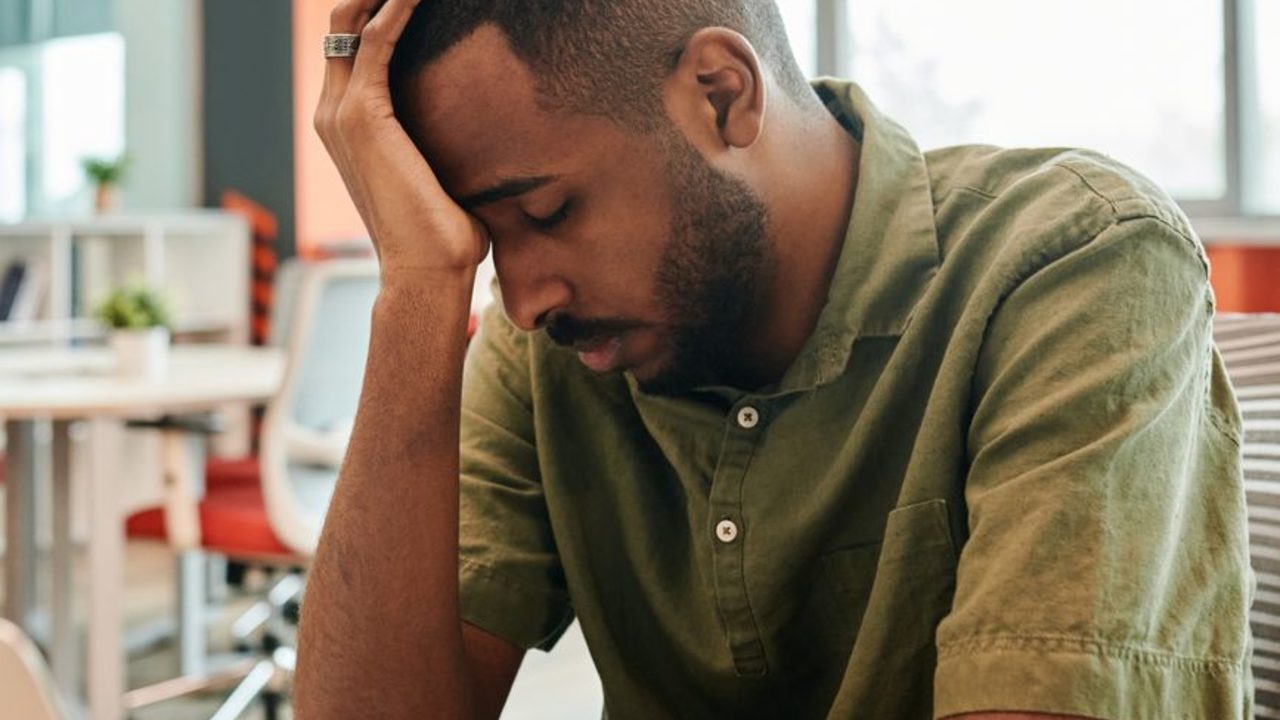
Nearly two-thirds of people in Czechia experienced so much stress over the past year that they felt they could no longer cope with some things. More than a quarter were unable to go to work for a time because of it, and the youngest are struggling the most. That is according to fresh data from the research agency Ipsos, which studied the mental health of residents in 32 countries.
Czechs feel a level of stress similar to people in other countries surveyed, but they miss work and school less often because of psychological difficulties. According to Ipsos sociologist Markéta Kneblíková, many people carry on with their daily duties despite their problems. The reason is not only the wish to manage on their own: not everyone can afford time to recover without worrying about their studies or job.
Young people under pressure
The situation is worst for Generation Z — roughly today’s twenty-somethings, who make up a fifth of the Czech population. They report the highest level of mental distress in every area studied. 54 percent of young people felt sadness and hopelessness almost every day for several weeks.
Three-quarters of young people felt that stress left them unable to cope with some things, and 35 percent were temporarily unable to go to work or school because of it. One in five took time off work or school at least once in the past year because of mental health. Kneblíková rejects the “snowflake” stereotype: young people are not afraid to talk openly about their problems, think about their mental state more often and look for active ways to take care of it.
Sociologist Pavel Pospěch believes every generation has had its own crises, but today’s young people face them to a much greater degree. They live in an age of uncertainty, when the future seems potentially worse than the present. Through the internet and social media they learn about violence and wars within minutes, and their anxiety is deepened by fears that their dream profession may be replaced by artificial intelligence.
Czech history may play a part too. According to Matěj Kučera of the National Institute of Mental Health, under the communist regime the country systematically suppressed psychological and psychiatric care, and a significant stigma persisted. The current generation finds it easier to talk about the subject.
It is not only the young: the feeling that stress leaves them unable to cope has also become more common in Generation X (roughly ages 46–59). Among today’s sixty-somethings, the baby boomers, half experienced it.
Passive men and boomers
Two-thirds of Czechs often think about their mental well-being, but few take concrete steps for it: 44 percent of respondents do nothing. Men and baby boomers are the least active — more than half of them took none of the listed actions over the past year.
Still, attitudes are gradually changing. More people think about their psychological well-being more often, and the number of those who sought professional help has risen slightly. Among the oldest baby boomers, the share who pay attention to their mental health rose from 52 to 62 percent in a year. Kneblíková sees this as a possible weakening of the stigma, but notes that the changes are still very small. Young people look after themselves most: almost three-quarters of Generation Z often think about it. Women are more interested in the topic than men — 73 versus 58 percent.
When Czechs do decide to deal with their problems, they seek help mainly from family and friends — half as many turn to professionals. Over the past year, 31 percent of respondents talked to someone close about their problems: 39 percent of women, compared with 24 percent of men.
Body or mind: which matters more?
The vast majority (81 percent) consider mental and physical health equally important, but almost half feel the Czech health care system prioritizes the body over the mind. Generation Z holds this view most strongly — 56 percent. For 19 percent of young people, mental health is more important than physical health; among baby boomers that share rose to eight percent.
Global figures are similar: 78 percent of people consider both kinds of health equally important, while 39 percent believe health care favors physical health. According to Kneblíková, mental health has become one of the most important global health topics within a few years: if in 2018 an average of 27 percent of people named it one of the biggest health problems, then after the covid-19 pandemic accelerated the trend, that share has grown to 48 percent.
Source: seznamzpravy.cz