Vltava near Czech town of Kamýk exposes old dams and towpaths
USD 21,65
Popular
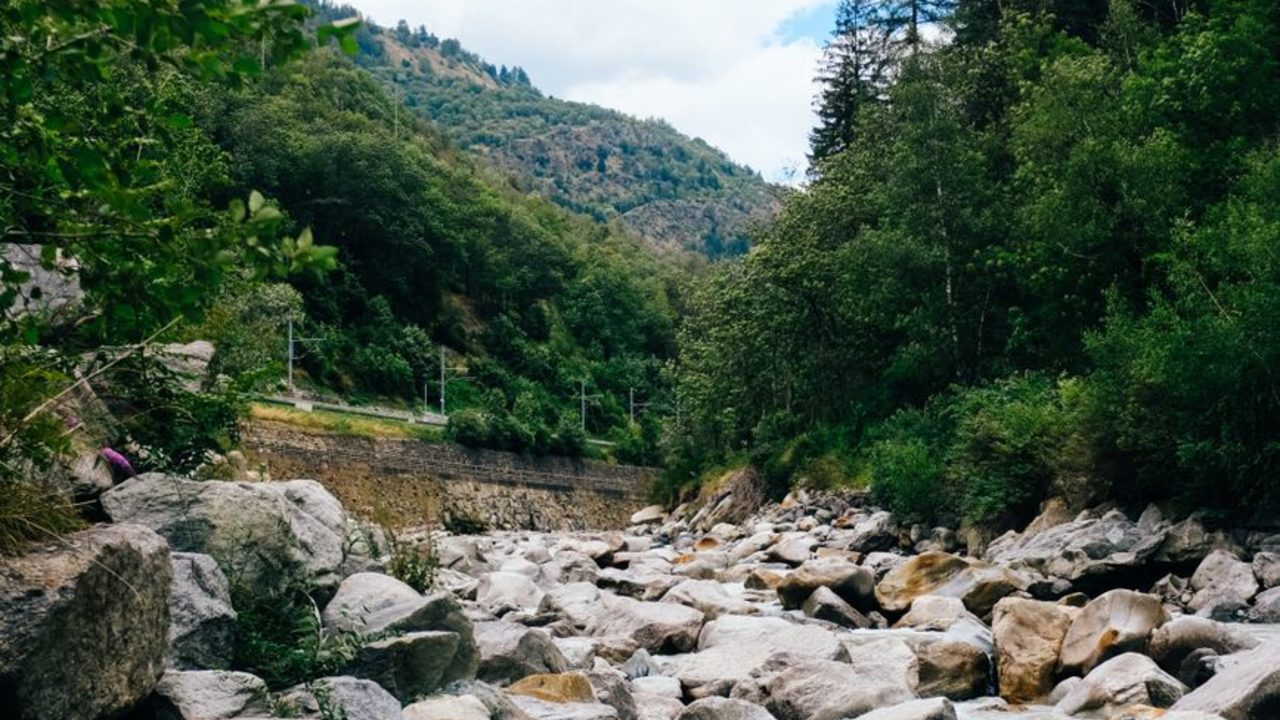
Near the town of Kamýk nad Vltavou, the Vltava's water level has dropped so far that water now covers only part of the riverbed, with roughly two-thirds of the bottom exposed and strewn with rocks. The unusual sight is drawing people out for walks and prompting them to search for spots normally hidden underwater, but it is causing concern among locals.
“We do have concerns about the water, because as the reservoir level has fallen, so has the water level in the wells,” said Mayor Petr Halada. According to him, the water in public wells has dropped by roughly two metres, though the town's water supply is not yet under threat.
The mayor had previously noted that the level of the local sources feeding the water supply depends directly on the volume of water in the river. He considers the current drop extraordinary even against the backdrop of the usual winter decline in the Slapy reservoir's level — residents, he said, cannot recall anything like it.
The situation stems from how water is managed across the entire Vltava cascade of reservoirs. Because of the low water level, outflow from the Orlík dam has been reduced since 4 September. At the same time, according to Povodí Vltavy, the company that manages the river's water resources, reserves from the Slapy reservoir are being used for the first time in history to maintain the required flow of the Vltava through Prague.
The mayor warned that people should not walk out onto the exposed riverbed: as soon as the power plant releases water through its turbines, the level can rise quickly and catch visitors off guard far from the bank. According to Halada, rising water has already startled people walking along the riverbed more than once.
Horses once hauled boats against the current
The receding water has in places revealed the remains of old weirs and so-called “navigations” — towpaths laid out along the river. Before the reservoirs were built, horses walked along them, helping to haul boats against the current.
Until the middle of the last century, the Vltava was one of the country's main transport routes: boats and rafts brought salt and other goods to Prague. After unloading, the vessels had to be taken back to their starting points.
“For this, so-called navigations — footpaths — were built,” said Josef Velfl, director of the Mining Museum in Příbram. According to him, the routes were sometimes paved or cut directly into the rock, and where a cliff blocked the way, people and horses had to ford the river and continue along the opposite bank, since there were few bridges at the time.
“One or two horses would walk along the path, depending on how large the vessel was, and that is how boats were pulled back from Prague to their starting station. Some charming old photographs survive from that time,” Velfl added.
The Kamýk waterworks is located between the Orlík and Slapy dams and forms part of the Vltava cascade. Construction was completed in 1961, and the facility reached full capacity five years later, after the Orlík dam was finished. The reservoir evens out water flow and is also used to generate electricity.
Read also: 6 cemeteries in Prague where history and art matter more than grief: a guide to museum-necropolises
Source: novinky.cz