Texas Plant Worth 11 Billion Crowns Fails to Produce a Single Shell for the US Army
USD 21,62
Popular
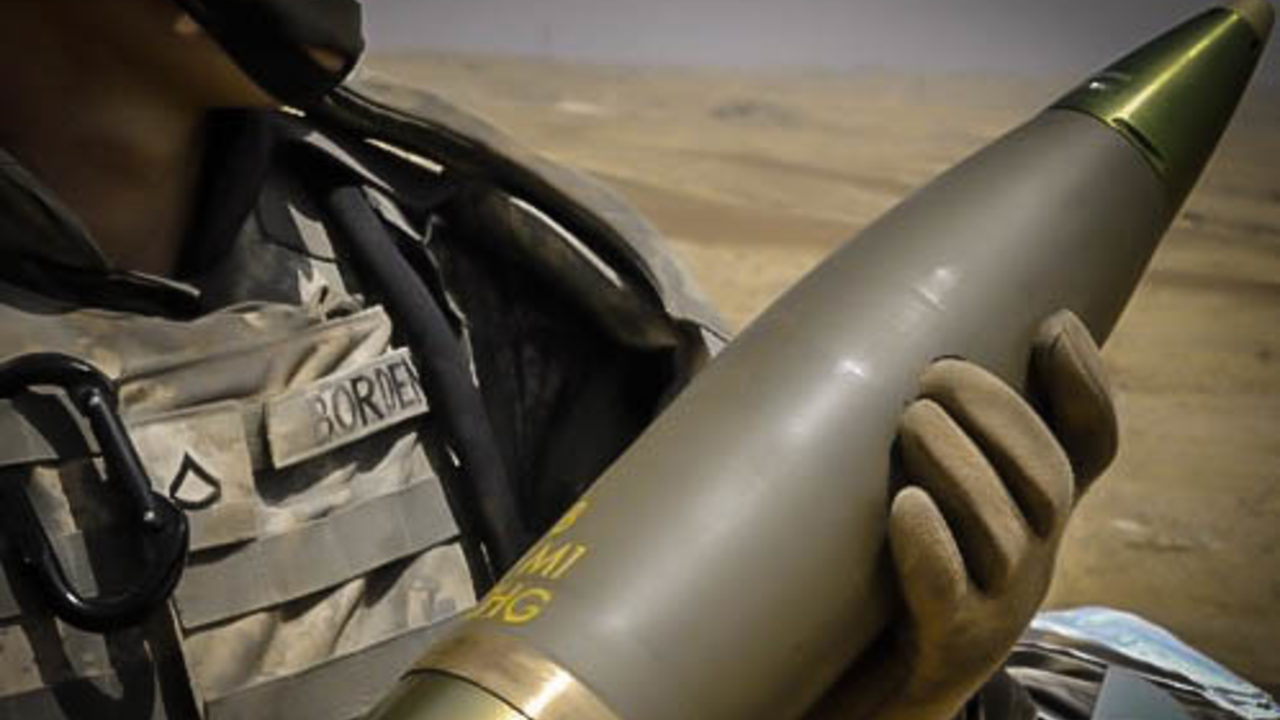
A state-owned plant in Mesquite, Texas, a suburb of Dallas, was supposed to produce 100,000 155mm artillery shells a year for the US Army. However, it has emerged that the facility, launched in 2024, has not produced a single usable shell, and the failed project has cost American taxpayers $533 million — roughly 11 billion crowns, according to the US Department of Defense's Inspector General.
Fires and Robots That Broke Everything
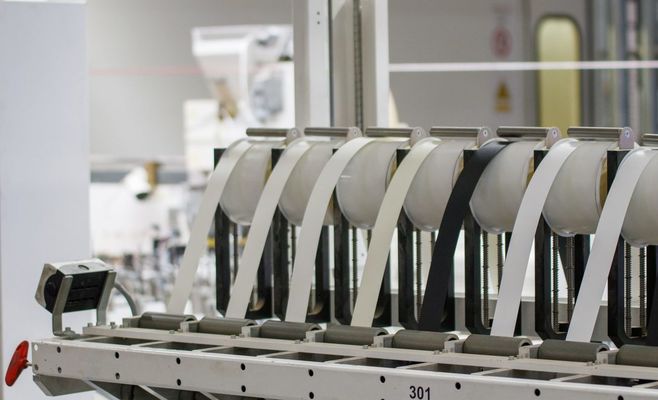
Three general-purpose lines for producing metal shell casings ran on equipment supplied by the Turkish company Repkon, which used an unconventional technology — shaping steel at high rotational speeds. Robotic arms, intended to play a key role in automation, were supposed to move steel blanks heated to nearly a thousand degrees Celsius. But the heat repeatedly ignited lubricating oils in the robots' mechanisms and in the presses.
"After the second, third, fourth time, it became almost normal," said a former plant worker, who by 2025 had to shut down two of the three production lines. Fires weren't the only problem — the robotic arms malfunctioned regularly, dropping steel blanks from a height of a meter and a half, shattering windows, or crashing into expensive CNC machines during uncontrolled movements.
"Guys with a Sledgehammer" Instead of Technology
The steel-drawing equipment failed especially often, and the giant presses didn't work well either — workers frequently had to hit them with a sledgehammer, though even that rarely produced a usable shell casing. "We really didn't have any standardized procedure. We were just guys taking turns every night at the machine with a sledgehammer," said former plant worker Kuantel White, describing the situation.
The problems were never solved, and after contractor General Dynamics missed eight established deadlines, the military ordered two of the three lines shut down. According to Breaking Defense, GD-OTS missed project completion deadlines or failed to show meaningful progress: the first line alone missed six deadlines, which in turn delayed the launch of the second line. But even the third line, according to the Inspector General's July report, never produced a single usable shell.
No One Held Accountable for the Failure
The Inspector General's report described the collapse of production but did not directly name any of the companies involved. The Army has only been instructed to verify whether the contract met all requirements, how the funds were spent, and whether at least part of the money can be recovered, as well as to find and implement a viable solution for producing artillery shells.
Meanwhile, the US Army has not publicly assigned blame to either General Dynamics or the Turkish equipment supplier, nor has it forced the company to return a single cent. "This is a real disaster," said a former Army official who oversaw the project. "The Army should have demanded that General Dynamics return the funds."
Read also: Prague Metro: Map and Tickets
Source: novinky.cz