Ukrainian officers admit: the front near Kramatorsk is beginning to collapse
USD 21,83
Popular
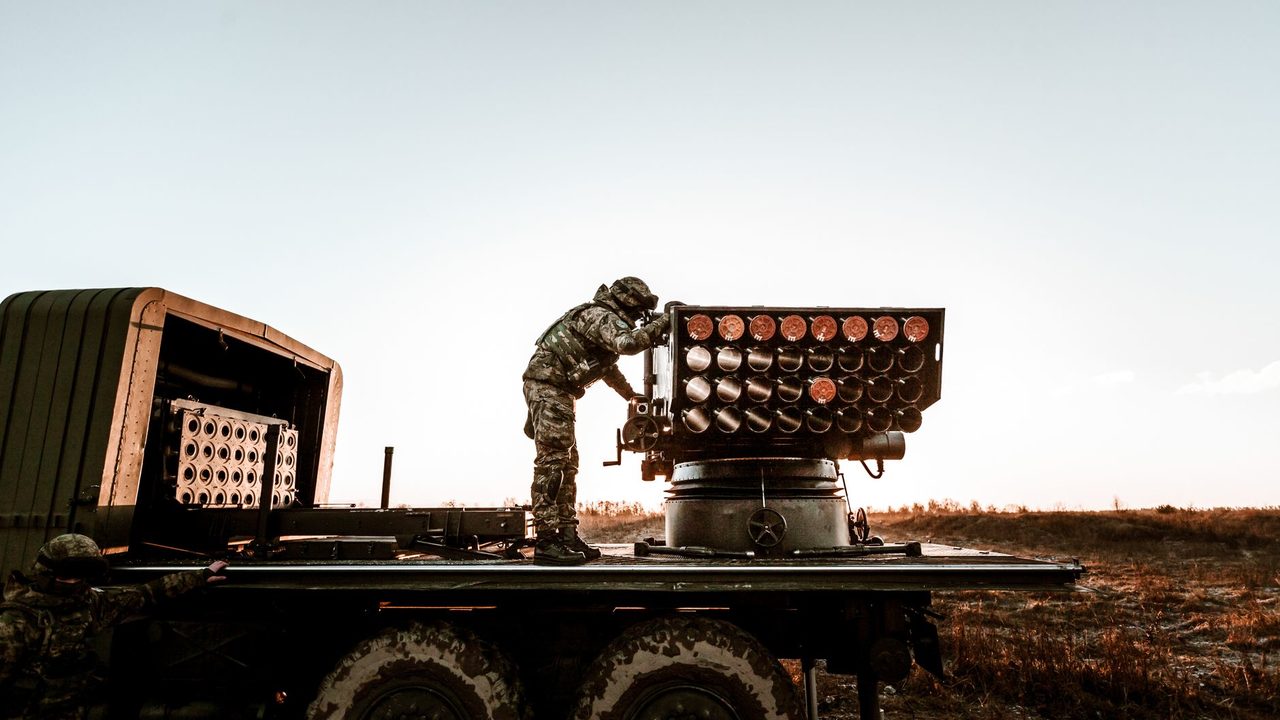
Ukrainian soldiers admit that the defense in some sections of the Donbas front is starting to give way, and that Russian forces could reach Kramatorsk and Sloviansk before the end of the year. This was reported by The Baltic Sentinel, citing an officer from a Ukrainian brigade that has held positions in the area for several years.
"In some sections the front is already gradually starting to collapse. There simply aren't enough forces to hold it back," the serviceman said. According to him, Russian troops could reach Kramatorsk and Sloviansk before the year is out, "if it doesn't happen sooner."
The unit commander showed journalists his soldiers' positions in a village that, on Ukrainian military maps, is marked as territory deep within Russian-controlled ground. In reality, Ukrainian units continue to operate there, and Russian forces have been unable to dislodge them for months.
Waves of attacks intensify
Sources at the front say that, given sufficient supplies and skillful use of units, the Russian advance could still be halted. Nevertheless, the defense is weakening in a number of areas, with Russian units attacking in repeated waves.
"Their attack waves come one after another. That's why they're advancing — the attacks weren't this intense before," said the commander of a battalion from a brigade fighting in the Sloviansk direction.
The "gray zone" edges closer to the city
According to Ukrainian military digital maps that track the battlefield situation in real time, the so-called gray zone now begins just four kilometers east of Kramatorsk — a sign that Russian forces have already penetrated the area. For now, Ukrainian troops are being helped by control of the high ground around the city; losing it would give Russian forces a more advantageous position for further attacks.
Russian units are also applying heavy pressure to the south, near Kostiantynivka. At the same time, drone operators are managing to push closer to the city, expanding the zone where drones effectively paralyze any movement.
The front as a "moving zone," not a line
The situation along the line of contact is becoming increasingly blurred, and the classic image of a continuous line of trenches no longer reflects reality. Both sides deploy small groups of ten to fifteen fighters who infiltrate deep behind enemy positions and hunt, among other things, drone operators — eliminating them opens space for other units to advance.
One Ukrainian officer suggests abandoning the term "front line" altogether in favor of "active combat zone." According to him, the front is gradually turning into a shifting band 10 to 20 kilometers wide, while the territory under threat from drones could be twice as wide again.
Around Prague, based on reporting by novinky.cz