"We're not traitors, we're Russians": POWs from Donbas explain why they fought for Russia
USD 21,74
Popular
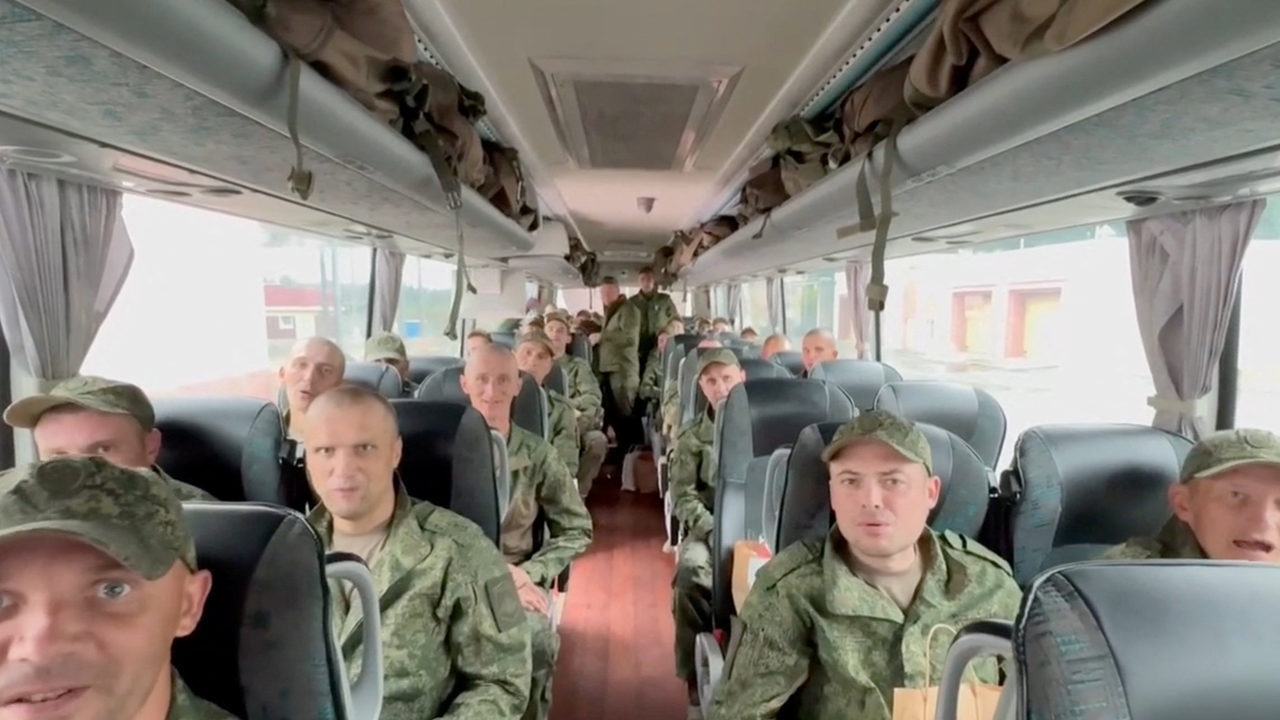
Captured Russian servicemen originally from Donbas have spoken about their motives for fighting against Ukraine in an interview cited by the British broadcaster BBC. The men, who grew up in territories controlled by pro-Russian forces since 2014, say they consider themselves Russian and see nothing treasonous in their actions.
Sergei, originally from Luhansk, says he is Russian, just like his parents, who moved to Donbas back in Soviet times in search of better work. He joined the army ten years ago — long before Russia's full-scale invasion of Ukraine in 2022 — explaining that he wanted to "defend his homeland." He hopes that once he returns home he'll be able to retire, since he has already "done his part." When the BBC asked him what it feels like to kill people from his own country, Sergei refused to answer, calling the question "provocative."
Raised on pro-Russian propaganda
Another prisoner, Anton, joined the army voluntarily. He was ten years old when the eastern part of Donetsk region was seized by pro-Russian separatists with Moscow's backing. He grew up under their rule, attending Russian-language schools where, he says, propaganda painted the government in Kyiv as "Nazi" and "illegitimate." Anton refers to Putin as "my president."
When Moscow launched its full-scale invasion of Ukraine in 2022, Anton immediately decided to enlist and fight for Russia. "I don't regret my choice — I went to defend my homeland," he said. In his view, the rest of Donbas should also come under Russian control, even though the war has already claimed hundreds of thousands of lives. "It's sad that people have died, especially innocent ones, but war is war. It could have ended already, but nobody wanted that," Anton said.
"We're not traitors, we're Russians"
To Ukraine, Anton is a traitor. Prisoners who share his views are put on trial but afterward sent to POW camps, where Russian citizens are also held. "They are very pro-Russian in outlook, and their national identity is extremely blurred," Petro Yatsenko, a representative of Ukraine's headquarters for POW affairs, told the BBC.
Anton himself doesn't see himself as a traitor: "I consider myself Russian. Territory doesn't mean anything — it's about nationality, and my whole family comes from Russia. That's where all my roots are."
Many of Anton's friends also volunteered for the war, but they were less fortunate. "You just get texts: dead, dead, dead…" he said. Other prisoners confirm this: almost everyone they went to the front with has already been killed. According to them, the number of people willing to enlist voluntarily is shrinking, despite the generous cash payments offered simply for signing up.
In the camp's carpentry workshop, where prisoners are allowed to earn extra money for cigarettes or food, they are now building coffins. It used to be garden sheds.
Source: novinky.cz