Istanbul Hit by Its Worst Flooding in More Than 80 Years, Minister Says
USD 21,62
Popular
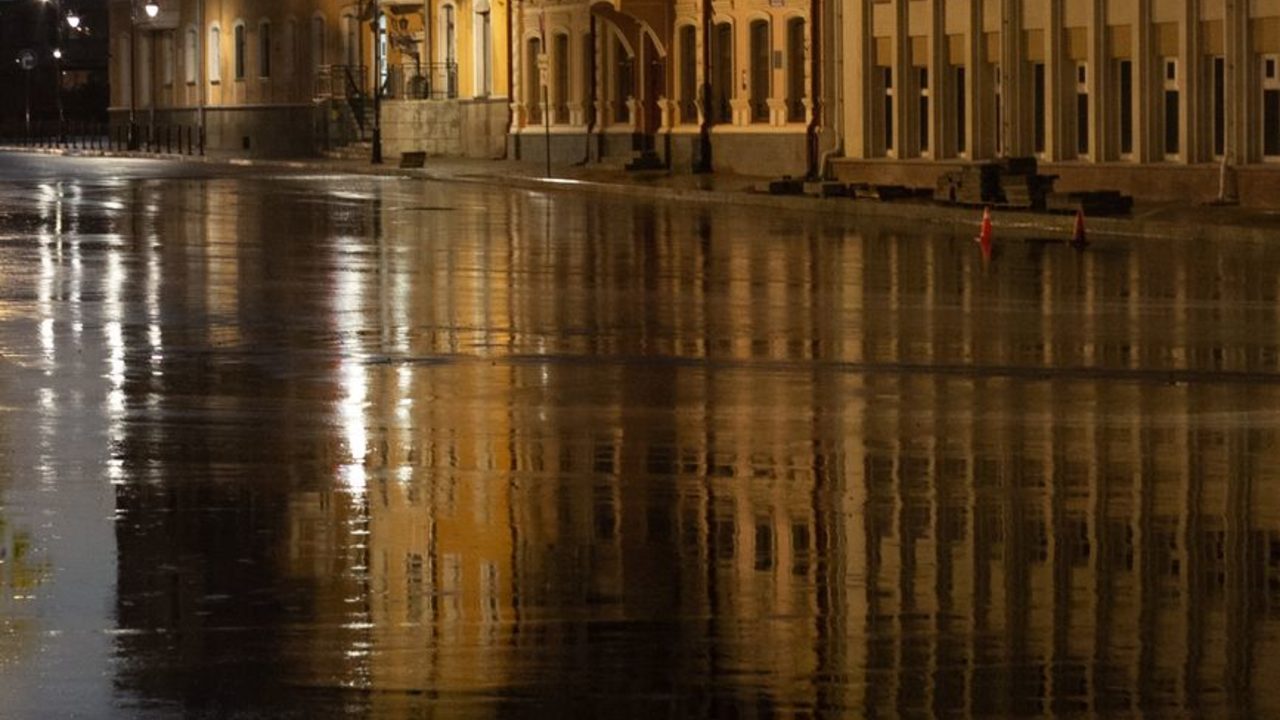
Istanbul has suffered its worst flooding in more than 80 years, Turkey's interior minister said Friday, as the death toll from the storm rose to four. ABC News reported that homes, businesses and streets across the city of 16 million people were inundated after a heavy downpour on Wednesday night.
Officials say tens of thousands of personnel are working on the cleanup, while questions grow over how building near waterways may have worsened the damage.
What happened in Istanbul?
Heavy rain struck the city Wednesday night, and water covered streets and parks in many areas. Homes and businesses were flooded. Vehicles were swept away, and many ended up piled together at the bottom of hills, according to ABC News.
How much rain fell?
The state-run Anadolu Agency reported that Istanbul received more rain in the 48 hours up to Thursday morning than it normally gets in September and October combined. Interior Minister Mustafa Ciftci, speaking during a visit to one of the hardest-hit areas, said the city was facing what he called "the biggest flood disaster since 1942."
Who has died, and who is missing?
The body of a 66-year-old man was found Friday under a bridge in the Sariyer district. Three other deaths had been reported earlier, including a teenager who was electrocuted during the storm.
Before the man's body was found, Ciftci told reporters in Sariyer's Ayazaga neighborhood that four people were still missing. It was not immediately clear whether the man found Friday was one of them.
How large is the response?
Ciftci said authorities had received 9,850 reports of damage and other flood-related problems. He said 46,000 personnel were working to clear debris and help residents across Istanbul.
What are officials saying about the causes?
Murat Kurum, the minister for the environment, urbanization and climate change, joined Ciftci in the flood-hit neighborhood. He addressed concerns that urban development close to waterways made the flooding worse, saying that dealing with the problem was essential. He did not, according to ABC News, detail specific measures.
Kurum also tied the floods to the effects of climate change. "Combating climate change is not a choice, but a necessity," he said. He is due to chair the COP31 U.N. climate change conference next month in the Turkish city of Antalya.
What does this mean for Istanbul residents?
For people in the city, the immediate consequences are physical and practical. Flooded homes and businesses, washed-away vehicles and debris-covered streets mean a large cleanup effort, and the thousands of damage reports show how widely the water disrupted daily life. Four people were still unaccounted for before Friday's discovery, so the search and recovery work was not finished.
The longer-term issue is the debate over building near waterways. Officials have said the problem needs to be addressed, and the minister responsible for urbanization has publicly linked the disaster to both development patterns and climate change. Any decisions on that front have not been announced.
What happens next?
Cleanup and assistance operations are continuing across Istanbul. Kurum's role as chair of COP31 in Antalya next month puts the country's handling of climate issues in front of an international audience soon after the floods.
Source: ABC News