Bill Ackman buys Netflix stock again, four years after losses
USD 21,66
Popular
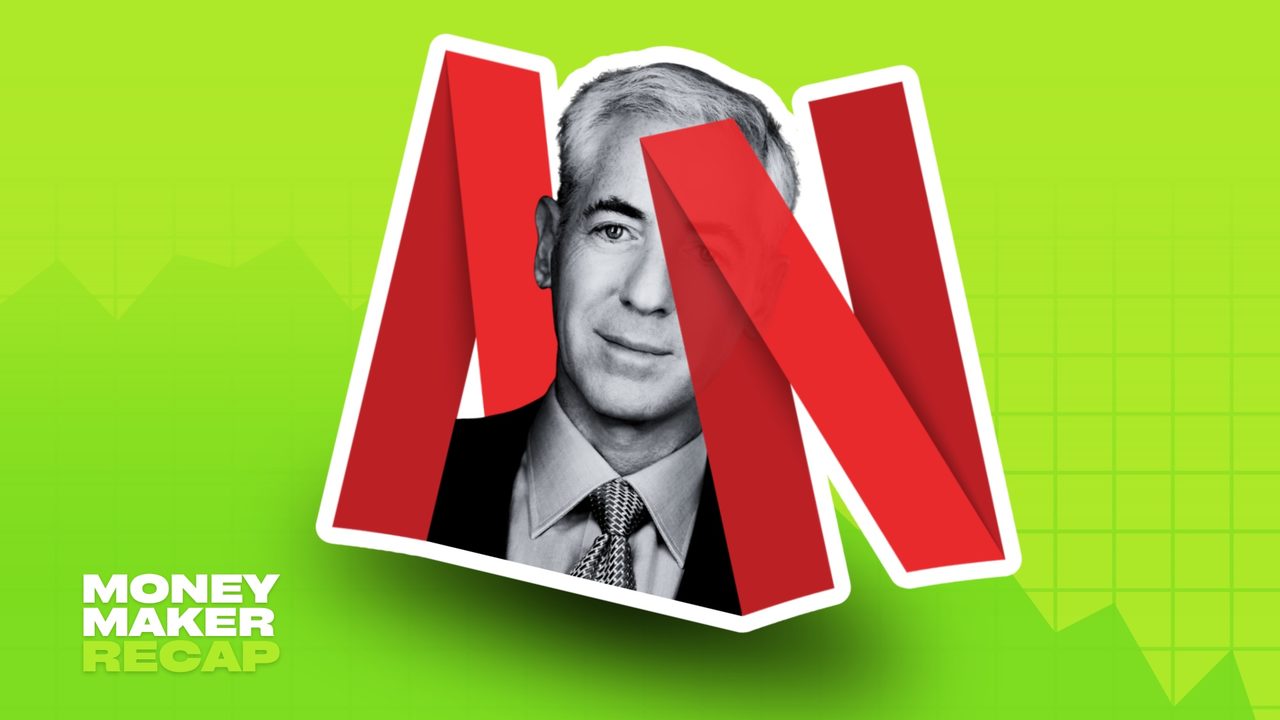
American billionaire and Pershing Square founder Bill Ackman is investing in Netflix again — four years after he sold his stake in the streaming giant at a loss of more than $400 million (about 8.3 billion crowns). This time the investor is betting on a company that no longer grows solely through new subscribers, but earns money from advertising, paid access to shared accounts, and massive share buybacks.
Ackman’s history with Netflix began back in January 2022, when Pershing Square bought more than 3.1 million shares of the company for nearly a billion dollars (around 23 billion crowns), becoming one of its twenty largest shareholders. At the time, the investor was drawn by the company’s stable subscription revenue, strong brand and global reach.
But already in April of that year, Netflix reported a decline in subscriber numbers for the first time in a decade — shares plunged 35% in a single day, and Ackman exited the position, booking a sizeable loss. The reason wasn’t just the falling share price, but also the murky outlook for the business: the company had just started preparing a cheaper ad-supported tier and a crackdown on password sharing, which made the model less predictable for Pershing Square’s concentrated portfolio.
Four years later, it turned out that these very changes brought Netflix back to growth. The crackdown on account sharing forced some viewers to take out their own subscriptions, while the ad-supported tier opened up a new revenue stream — this year it is expected to bring the company around $3 billion (over 62 billion crowns).
Today Netflix has more than 325 million subscribers, and its operating margin has risen from 21% to roughly 31.5%, even as content spending has grown by only 2% a year since 2021. The company’s free cash flow could reach $12.5 billion this year (about 260 billion crowns), and in the second quarter alone Netflix bought back $4.7 billion of its own shares.
Ackman’s return was also helped by the drop in the share price — since their peak last June, shares have lost about half their value, and the valuation has fallen from more than 40 times earnings to around 21 times. Risks remain, however: growth in viewing hours slowed to 2% in the first half of the year, and Netflix’s competition includes not only other streamers but also YouTube, TikTok and video games.
According to Pershing Square’s forecasts, Netflix’s earnings per share could grow by almost 20% a year, but if viewer interest fails to rise and the advertising business slows down, the company’s current valuation could prove too high.