Zuzana Osako launches a foundation to save Czech folk crafts
USD 21,66
Popular
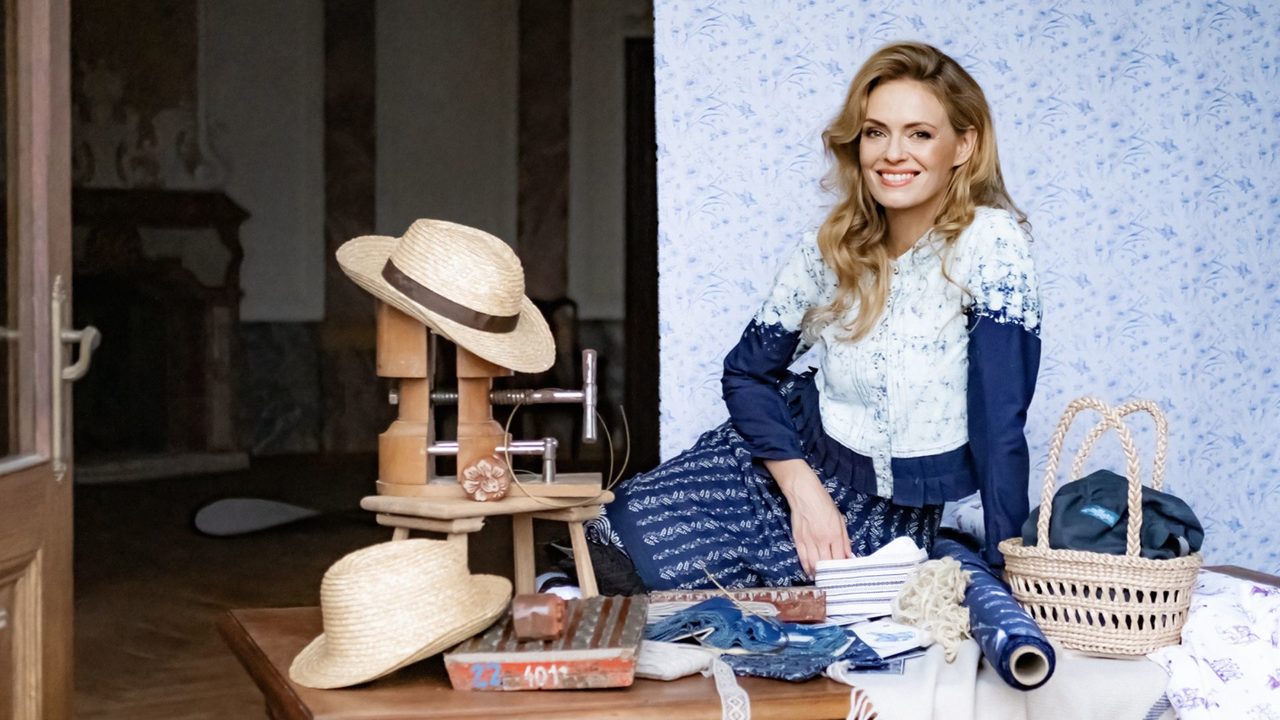
Czech designer Zuzana Osako, who rose to fame for creating the Olympic collection for the Czech team in Tokyo, is launching a foundation to save the country's disappearing folk crafts — from basket weaving to textile weaving and wood carving. The idea is simple: teach artisans to turn traditional goods into premium products and sell them properly.
Five years ago, it was Osako who surprised the world by combining traditional Czech “modrotisk” (blueprint block-printing on fabric) with contemporary design in the Olympic uniforms. The reaction at home was mixed, but America's InStyle and Vogue praised the boldness of the move — interest surged around the world, and the collection regularly landed on magazine covers.
The success confirmed the designer's hunch: local Czech craft can compete in the luxury goods market. Her own clothing brand, Tradice, built around folk motifs, grew by 500% within a few years, and the growth continued even after the Olympics — all while Osako was raising three children and studying ethnology at university.
Now the entrepreneur has decided to put her name and her experience in the fashion business to use saving the craft workshops of Czechia and Moravia, which are gradually disappearing. According to her, the country has no shortage of talented artisans — weavers, basket makers, carvers, potters — but they are often the last generation in their family to carry on the craft: young people simply don't believe it can earn them a living.
By some estimates, more than half of traditional craft techniques are now at risk of disappearing. There is also no real centralised register of artisans, making it extremely difficult for companies or customers to track such workshops down.
The problem, Osako believes, is not the quality of the work or a lack of talent — artisans simply lack business skills: they don't know how to price their goods, don't do any marketing, and don't know how to turn a traditional technique into a product the modern market wants. For example, turning a rug into a designer belt that works with contemporary clothing.
As an example, she has already carried out a joint project with weaving master Romana Jablunková, who holds the title “Bearer of Folk Craft Tradition”: together they created an unconventional product — a woven herb basket priced at almost three thousand crowns and designed to last for generations.