Private credit explained by Bondster CEO Martin Stibor, Czechia
USD 21,78
Popular
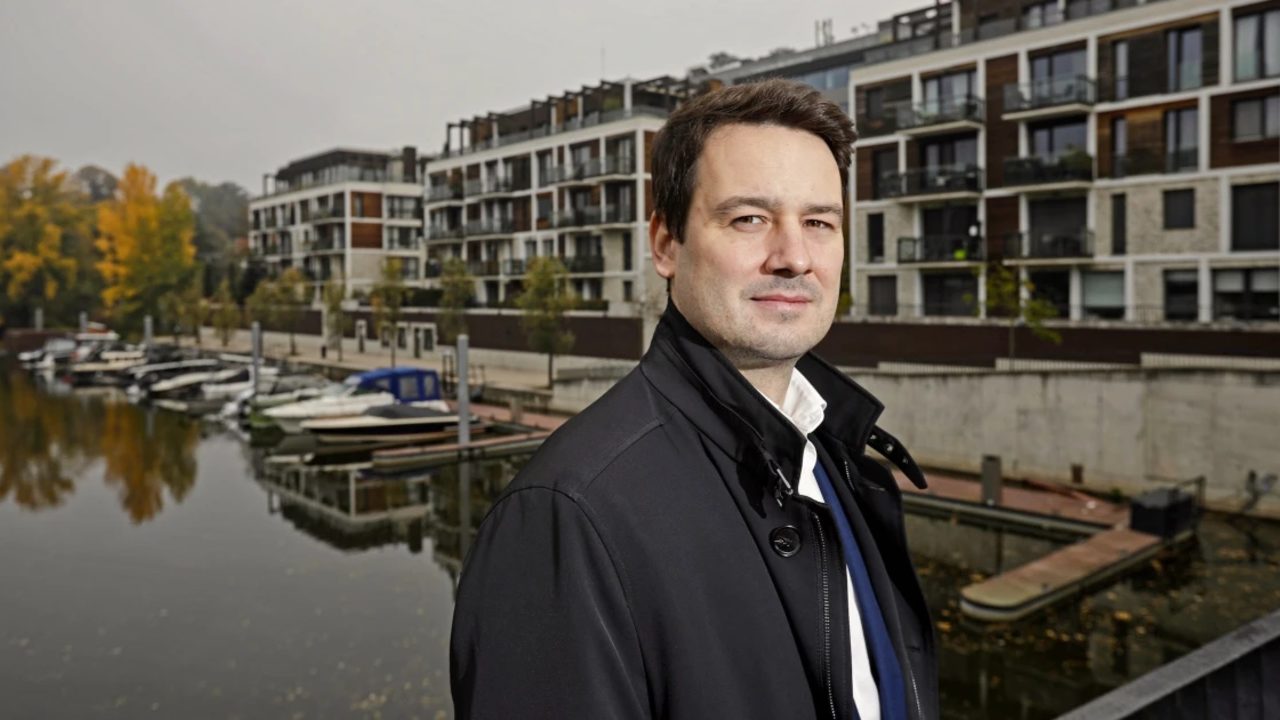
Martin Stibor, CEO of the Czech investment platform Bondster, explains why private credit is becoming one of the fastest-growing segments of investing worldwide. Bondster is among the pioneers of this approach for retail investors in Central Europe.
According to Stibor, assets under management in the sector were around $300–400 billion in about 2010. Today they exceed $2 trillion, and Morgan Stanley and Preqin forecast they could grow to $3.5–5 trillion by 2030. At that pace, private credit is outgrowing most traditional bond markets and many other alternative asset classes.
Stibor attributes the growth to investors’ desire for diversification and steadier sources of income: returns here come not from a rise in an asset’s price, but from the repayment of loans. Investors used to choose between stocks, funds and bonds; now there is one more way to broaden a portfolio.
Bondster has operated since 2017. The platform connects institutional and retail investors with licensed non-bank lenders from Czechia and other countries. It was one of the first in Europe to offer this model to the general public, starting from relatively small amounts.
The scheme is simple: borrowers take money from vetted lenders and secure the loan with, for example, real estate. Lenders post offers on Bondster, and the investor chooses what to put money into. Income comes mainly from loan payments. According to Stibor, this is an investment that does not depend on daily stock market swings and can bring regular interest income.
Stocks can deliver strong growth but are typically highly volatile. Bonds are seen as the more stable part of a portfolio, yet their potential returns are usually lower, and with non-public bonds investors face a strong information asymmetry that works against them.
The platform in numbers: average annual returns on investments through Bondster since its launch are about ten percent, and investors have been paid more than CZK 360 million in interest. Every lender is checked before being admitted to the platform for financial stability, business model and ability to meet obligations over the long term.
Among the most sought-after offers are loans backed by real estate: a real asset stands behind the financing provided, which gives investors additional protection. As an example, Stibor names loans from Acema, a Czech non-bank lender and long-time partner of the platform. He reminds investors that any investment carries a certain risk, and they should always keep this in mind.