Eva Tringela of Shopfully: too early to bury paper flyers
USD 21,59
Popular
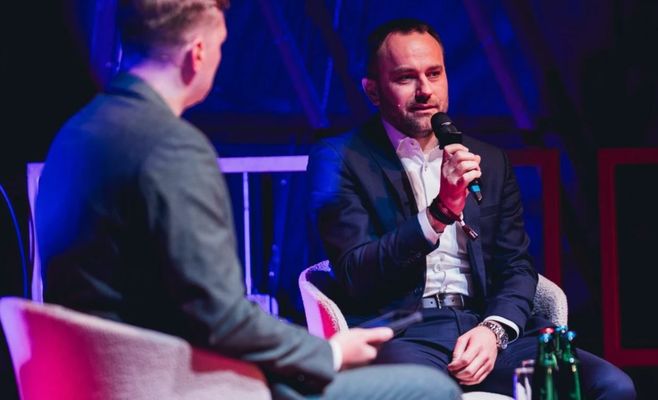
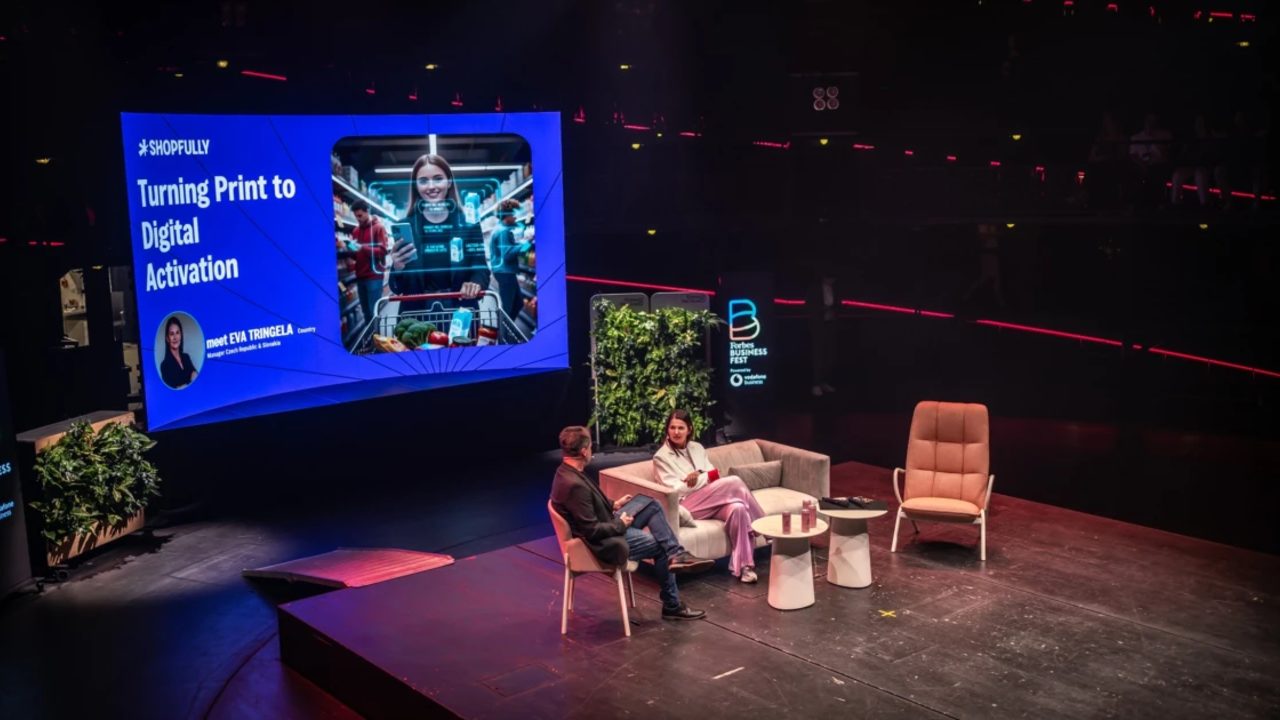
Eva Tringela, Shopfully’s country manager for Czechia and Slovakia, told the Forbes Business Fest that paper advertising flyers — contrary to popular belief — are far from obsolete. According to her, retailers’ biggest mistake isn’t that they keep printing them, but that they don’t understand where this tool still works.
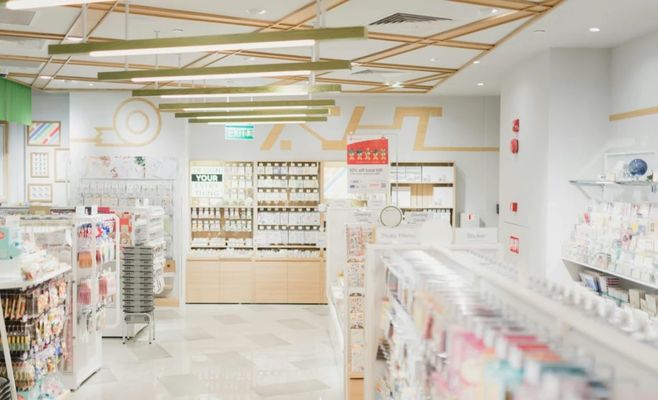
Czechia has tried more than once to sharply cut back on paper flyers or drop them altogether, but has returned to them every time. “The flyer is still a relevant medium. When you’re planning a purchase or trying to save your family budget, you pick it up. It’s the right communication at the right moment,” Tringela says.
According to her figures, Czechia prints about 12 billion crowns worth of flyers every year. That doesn’t mean shoppers are rejecting the digital world — it’s simply that the way they look for discount information is changing.
“Today the customer isn’t at the mailbox, but on lifestyle and news sites, on TikTok and Facebook. I was planning a trip myself and looking for comfortable hiking boots — and an ad for them popped up right away. I spent a few minutes on the website, then went to a physical store and bought them there. Or you’re reading about a high-protein diet, and suddenly you see that the store nearby has cottage cheese at a 30% discount — and you run to buy it. That’s what relevant advertising looks like,” Tringela describes.
While shoppers in large cities more often start their purchase journey on a smartphone, in other regions the paper flyer remains an important part of the buying decision process.
In Tringela’s view, the biggest mistake would be to abandon paper flyers entirely. Retailers need to learn to strike a balance between paper and digital communication and make decisions based on data rather than intuition. Shopfully advises directing the money saved into a digital marketing mix targeted at the right audience.
“We need to bring people into stores — and really, for thirty years, flyers were the only thing we knew how to do. But a flyer in digital form is a relevant format, not spam. The digital environment is effective, and we can measure whether someone clicked. Even whether people then come into physical stores afterward,” she explained.
Shopfully offers retailers a free analysis of their flyer mix. The goal is to find long-term partners willing to try a new approach and, gradually, on the basis of mutual trust, build a model that delivers savings, is gentler on the environment, and doesn’t weaken business performance.
As an example, Tringela cited a three-year project in Portugal, where a more efficient marketing mix made it possible to save 15% of the budget — out of 10 million euros (about 255 million crowns), one and a half million euros (over 36 million crowns) were reinvested. At the same time, the number of unique digital catalog openings grew by about 12 million (nearly 291 million crowns).
Shopfully monitors whether the digital mix is positioned correctly and optimizes it based on data. In some stores, the company compares the results of paper and digital communication, analyzes shopper behavior, and only then gives recommendations for next steps. “We go step by step and can measure where flyers no longer work — and where, on the contrary, digital is effective,” she said.
Tringela doesn’t expect paper flyers to disappear completely in the coming years. “In five years, the flyer will still be relevant. Maybe not in the same volume, but by my estimate, 20–25% can be effectively shifted into the digital environment,” she said, summing up her talk at the event.