Czech startup founder Monika Štěpánová builds device to detect drugs
USD 21,80
Popular
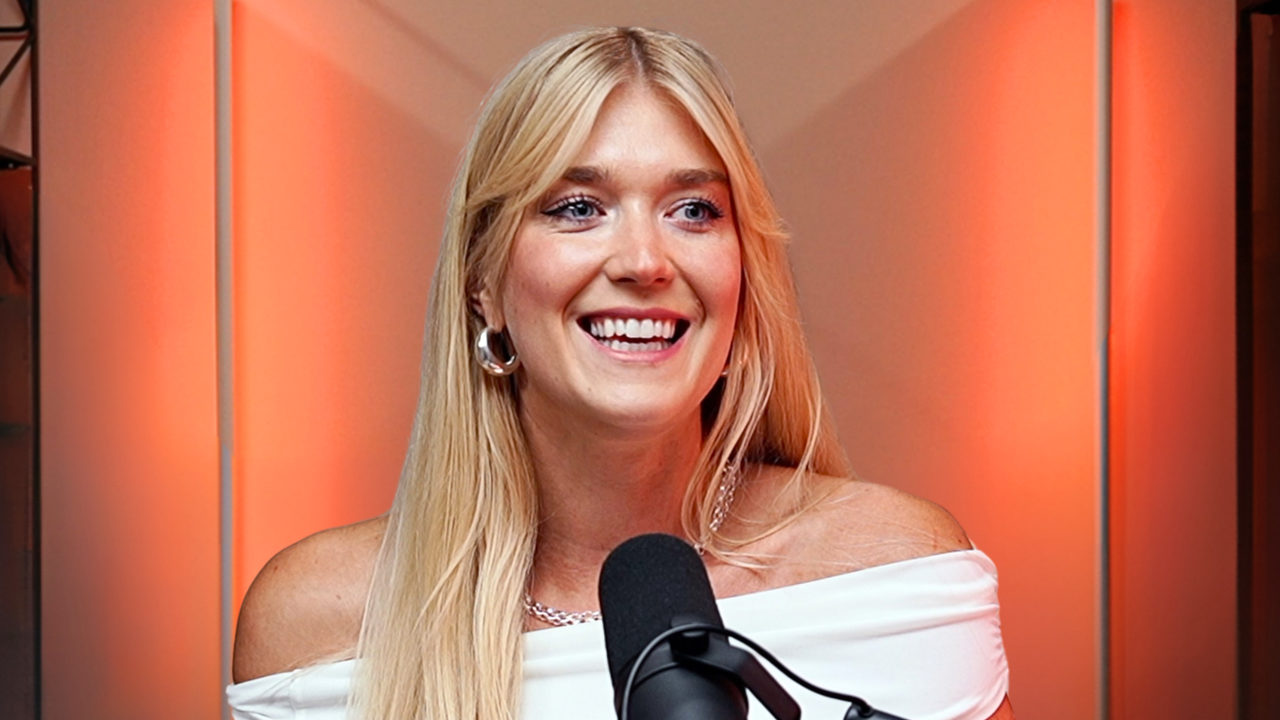
Former Czech national swimmer Monika Štěpánová now heads the tech startup Lightly, which is developing a portable device for analysing chemical substances — from drugs to counterfeit wine. The project has already caught the attention of the Czech police and the United States Drug Enforcement Administration (DEA).
Štěpánová trained as an economist, but teamed up with scientist Lukáš Nejdl, whose research underpins the company's technology. Nejdl originally set out to create quantum dots, but during his experiments he stumbled on a different effect: when a sample is irradiated with UV light, it breaks down and forms new compounds — and this process turned out to be reproducible. The result is a unique chemical “fingerprint” of the substance, even though textbooks explicitly warn against shining ultraviolet light on a sample, since it destroys it.
The device's first prototype looked like a school science project — the team jokingly called it the “wire machine” and, at the last minute, hid it inside a cardboard box to film a presentation video for a grant application.
The turning point came with a trip to the United States alongside Czech police officers, where the Lightly team demonstrated the technology to DEA specialists. After seeing the scale of America's opioid and fentanyl crisis, the founders decided to make the fight against drugs the main application of their technology — although they had previously considered other fields as well, including quality control for wine and water.
Today Lightly is developing a portable device and software that can analyse a sample within minutes, generate its chemical “fingerprint” and help law enforcement link different criminal cases together. Štěpánová stresses that hardware startups require far more capital than purely software-based ones, and that her experience as a professional athlete taught her the discipline that has since proved useful in business.