How a Czech factory in Klatovy became a top mozzarella producer
USD 21,59
Popular
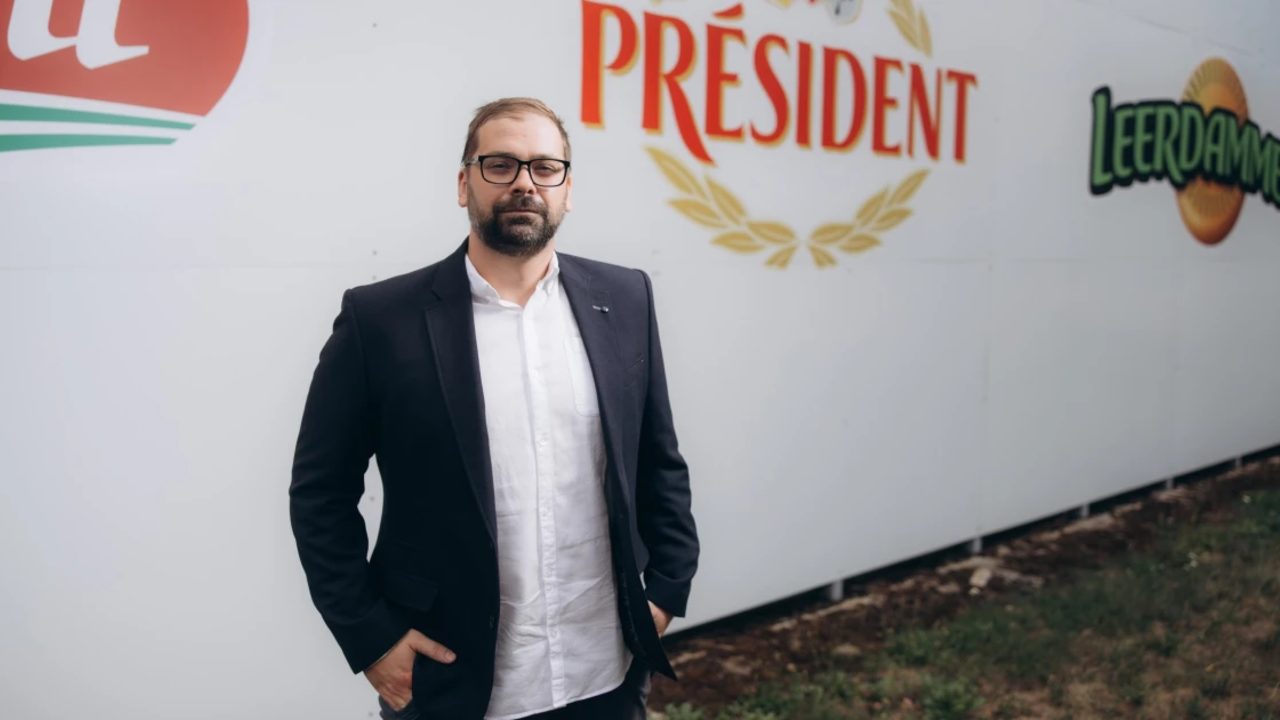
Director of Mlékárna Klatovy Marek Hofman runs a plant that, thanks to investment from the French group Lactalis, has grown into Central Europe's largest mozzarella producer — the factory turns out 16,000 tonnes of cheese a year and generates revenue of more than three billion crowns.
The Klatovy plant's history spans more than a century: it started as a cooperative in 1923, became a state enterprise under socialism, and after the revolution went through a difficult privatization and several changes of owner. The turning point came in 2007, when the plant became part of the French dairy group Lactalis. The new owner launched a major restructuring — yogurt and processed-cheese production moved to other sites, while Klatovy received about 50 million euros of investment in a dedicated mozzarella production line.
“The building looks unremarkable from the outside, but the company invested serious capital in the equipment and the integrity of the production concept,” Hofman says. It was under his leadership that the plant adopted a 144-year-old recipe from Italian master cheesemakers and became one of the few certified facilities outside Italy allowed to produce traditional mozzarella.
“When Lactalis acquired the plant, the advantage of strong international backing really showed. We worked with French and Italian colleagues who shared their experience and know-how,” the director explains. According to him, local staff were initially wary of the new production line, but today it has become a true pillar of the whole plant.
Hofman stresses that automation has completely transformed the process: while workers once moved heavy blocks of cheese curd by hand, up to 3.5 tonnes of cheese now pass through the line every hour — a volume unthinkable with manual labor. More than five thousand tonnes of the annual output is mozzarella under the Galbani brand, with a significant share going to export.
Under Hofman's leadership, the plant preserves the traditional Italian pasta filata technology — from cheese curd to shaping the balls and classic “buns” on a special rotating roller developed in Italy. “The technology lets us make different kinds of mozzarella, including light products. We used to have an organic line in the portfolio too, but demand for it gradually declined,” the director notes.
The whole cycle — from the first drop of milk to packaging — takes about four hours, and the same day, after quality control, the products are shipped to buyers. The shelf life of the mozzarella is 27 days.