How Henkel's Czech boss built a billion-crown detergent business
USD 21,68
Popular
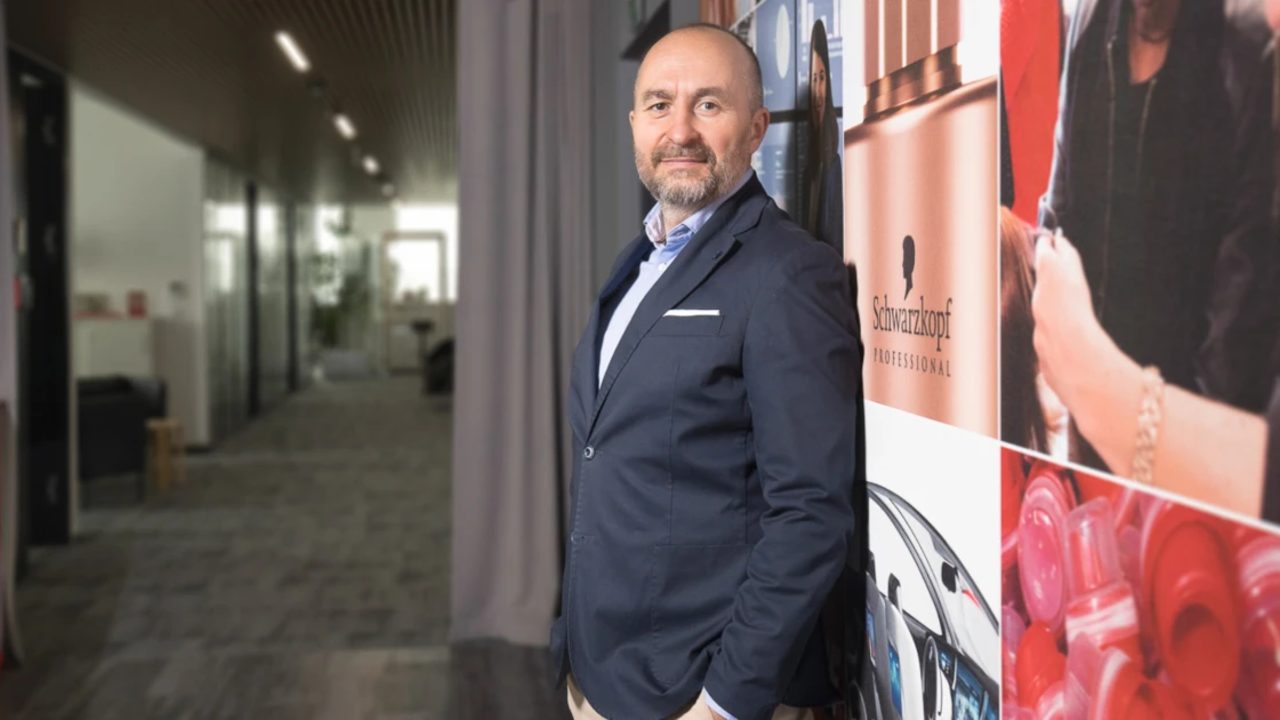
Roman Kýr runs the Czech-Slovak division of chemical and cosmetics group Henkel, whose annual revenue in Czechia exceeds six billion crowns. In a candid interview with Forbes, he explained why he isn't afraid to bend corporate rules when it benefits the business, and what fundamentally sets Czech consumers apart from their Western European counterparts.
Henkel marks its 150th anniversary this year. The company is known not only for household chemicals and cosmetics but also for its industrial arm — producing specialised adhesives for the automotive industry, among other things. Even so, the bulk of its revenue still comes from everyday consumer goods: laundry detergents, shampoos and window-cleaning products.
Kýr admits he treats business like a sport and always wants to outdo the competition. He's irritated by the attitude, common across Europe, that overtime is somehow immoral. “You can't build a business with a ‘home by five’ mentality,” the executive insists.
According to him, seasonality is pronounced at the company: sales of cleaning products spike before Easter and Christmas, demand for hair care rises in summer, and a “styling season” kicks off in winter ahead of the New Year holidays. One particular phenomenon is the Czech tradition of giving cosmetics and shower-gel sets as Christmas presents, which strikes Kýr's Western European colleagues as something of a curiosity.
In Kýr's observation, Czech consumers are more willing to pay more upfront to save in the long run, like stocking up on large packs, and pay particular attention to laundry care — using fabric softeners, which isn't as common in the West. At the same time, Czechs are traditionally far more sceptical of new products than, say, Italians — something the company's marketers have to factor in when launching new items on the market.