Corwin and Jakub Dobrý build new Prague district, not towers
USD 21,65
Popular
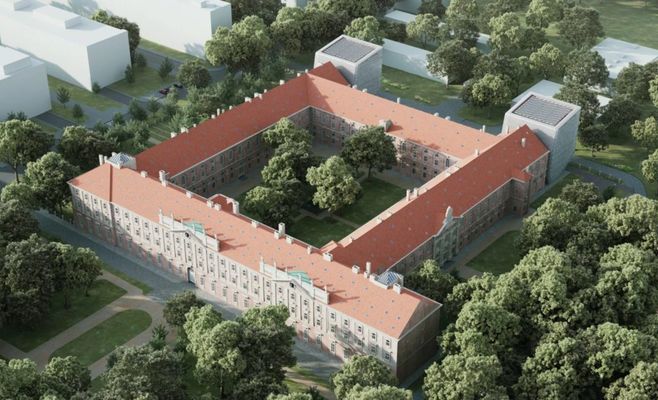
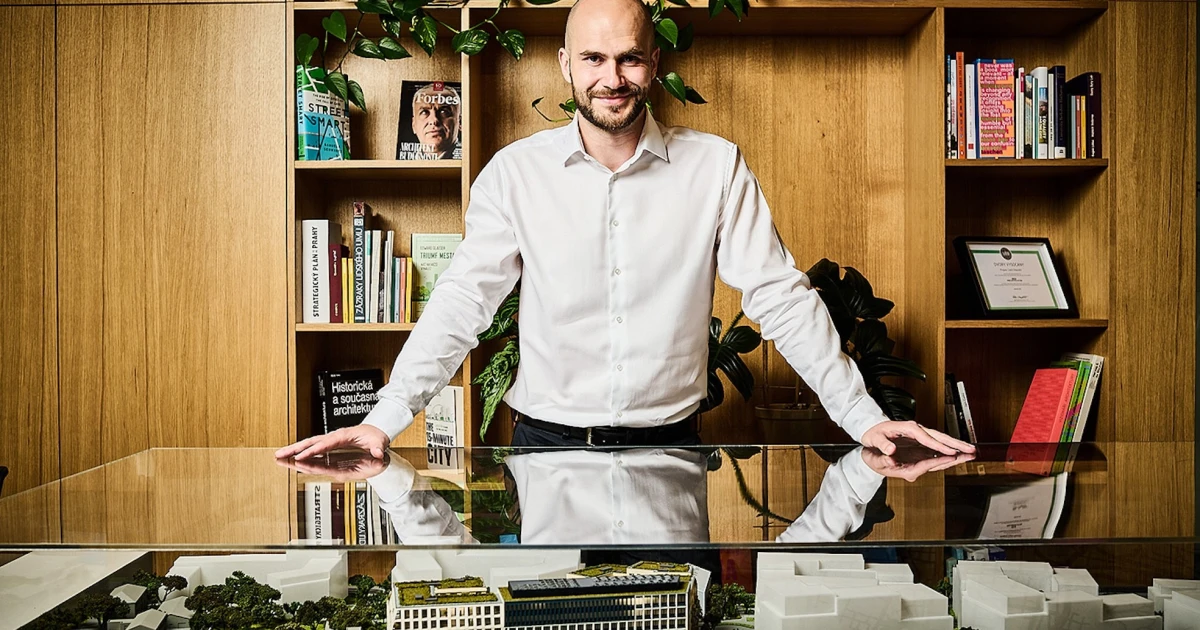
The Slovak developer Corwin, led in Czechia by the head of its local division Jakub Dobrý, is building a new district in Prague called Dvory Vysočany — more than a thousand flats, plus offices and shops, spread across five hectares next to the Praha-Libeň railway station. The project, worth several billion crowns, is being designed together with the world-renowned urbanists Jan Gehl and David Sim, known for their work on New York and Copenhagen.
Corwin entered the Prague market in 2022, already with eight successful projects in Bratislava under its belt — including the Blumental, Guthaus and Einpark complexes. Prague became the company's second city of international expansion after Slovenia's Ljubljana, where Corwin has been the largest developer since 2018.
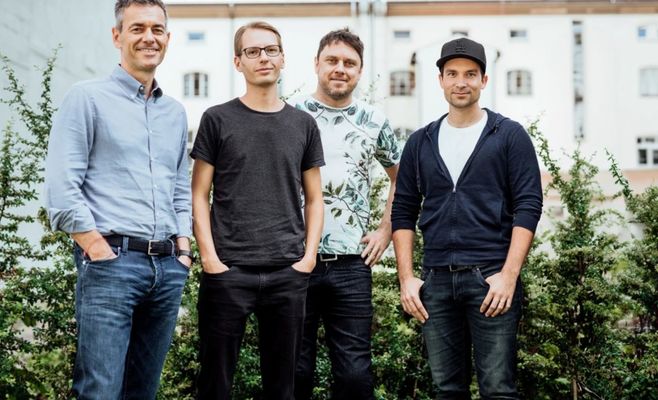
“We're creating cohesive, well-thought-out neighbourhoods with quality architecture, places where people will want to live for a long time,” says Dobrý, who heads the company's Czech operations as country manager. He says the inspiration came from the Scandinavian approach to urban planning: functionality and quality public space above all.
Working alongside Corwin on the project is the Prague architectural studio OVA, led by Štěpán Valouch, the architect behind the Lasvit headquarters, a sports hall in Kolín and a school in Chýně. The architects and the developer agreed from their very first meeting: the goal was not to build an “architectural monument” but a place suited to everyday life. “You don't start with a building and then fit the surroundings around it — you start with how people move and what they need. Instead of showy boldness, it's essentially a maternal, caring approach to the city,” Valouch explains.
The district will consist of 42 buildings grouped into seven blocks with internal courtyards for playgrounds and quiet relaxation — it's these courtyards (“dvory”) that give the project its name. The first phase is already under construction: 229 flats, around 6,000 m² of offices and roughly 1,400 m² of retail and services, due for completion in 2029. Permits have also already been secured for the second phase — another 266 flats plus additional infrastructure.
The architecture of the new district draws on the historic buildings of Vinohrady and Karlín, as well as the legacy of the pre-war wholesale cooperative giant Velkonákupní společnost družstev, which once supplied goods to broad swathes of the population. Imprints of goods — spices, coffee, beer — will become part of the identity of individual courtyards and buildings. “Take a selfie in front of your building, and you'll instantly know you're in Dvory Vysočany, and you'll easily be able to show your friends how to spot your particular building,” the project's creators note.