Shoptet CEO: AI will create entrepreneurs, not replace them
USD 21,59
Popular
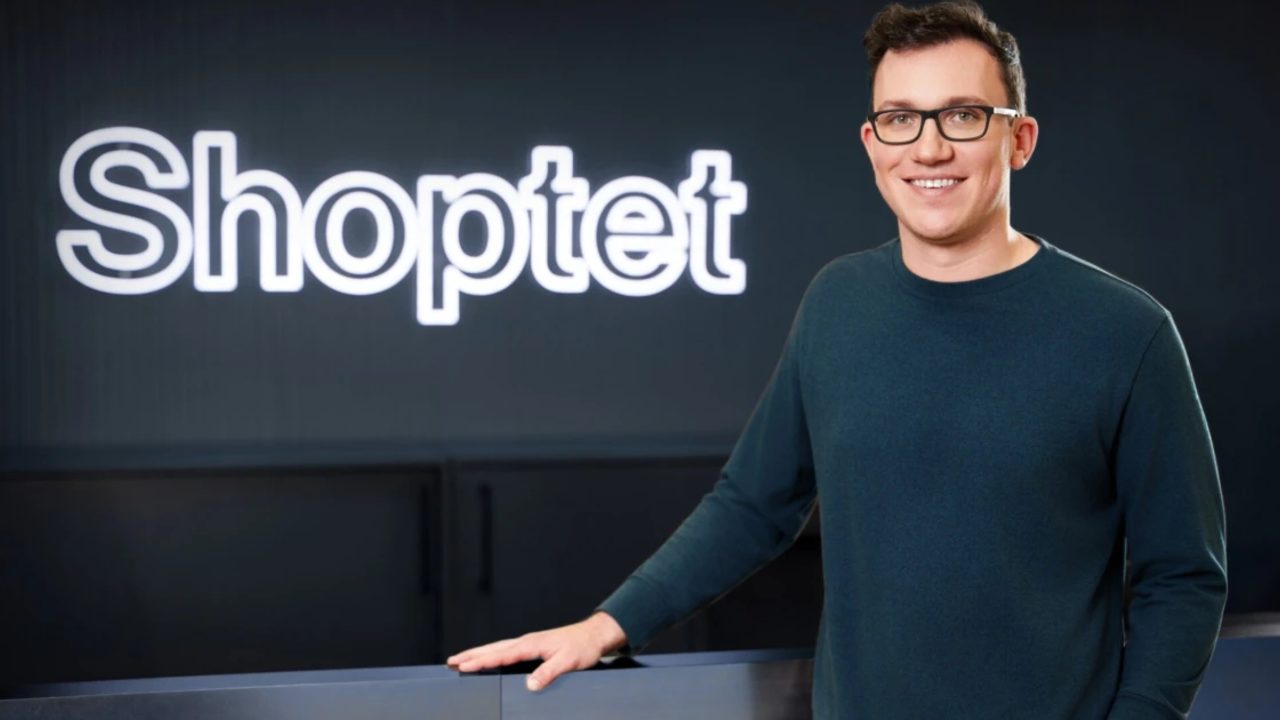
The head of Shoptet, Central Europe's largest e-commerce platform, Jan Hospodka, is convinced that artificial intelligence won't become a threat to businesses like his — on the contrary, it will act as a catalyst for a new wave of entrepreneurs, for whom building their own online store will be easier than ever.
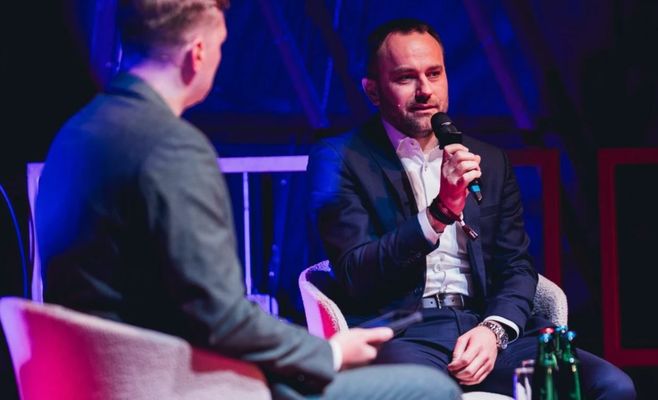
Hospodka shared these thoughts at the Forbes Business Fest. The more people who decide to try their hand at entrepreneurship thanks to simpler technology, he said, the better it is for Shoptet itself. “I hope this will be a great catalyst for many people trying themselves out in business. And the more small entrepreneurs we have, the better it is for our business too,” he said.
At the same time, building a website is just the start: entrepreneurs still have to navigate legislation, security, payment systems, logistics and keeping the service running reliably. It's precisely these hidden complications, Hospodka says, that Shoptet resolves for the client in advance, which is why competition from generative AI — which lets almost anyone spin up a simple store — doesn't worry the company. A basic subscription costs a few hundred crowns a month and covers not just the website but legal compliance too.
According to Hospodka, AI is currently changing software development more than anything else. Where there used to always be more ideas than programmers could handle, that's rapidly shifting: “If you compare February and April, we've roughly doubled our speed. And our AI team says we're only at ten percent of what we can achieve.”
In his view, development will stop being the main bottleneck for tech companies, and attention will shift to marketing, legal processes and bringing new products to market. “It may well turn out that the main obstacle ends up being customers' ability to even grasp the pace of the changes taking place,” he noted.
Hospodka stresses that what matters more than the technology itself is understanding exactly which customer problem a company solves. He sees AI chatbots like ChatGPT or Gemini merely as one more sales channel, still less significant than the established ones.
Shoptet is also preparing for these shifts through its own expansion. After last year's acquisition of the Belgian hosting company Team.blue, the company gained access to roughly 3.5 million customers across Europe. “The plan is to give every one of them the chance to open an online store on Shoptet. For us that's a huge opportunity,” Hospodka said. Among the first markets are the Benelux countries, Italy and Spain. Shoptet is also now offering direct integration with the Allegro marketplace, with a similar integration being prepared for Kaufland, while hooking up to the major Asian platforms is not currently planned — according to Hospodka, they don't play by the same rules as Czech sellers and are regulated far more loosely by European authorities.
Despite all the hype around artificial intelligence, one thing, in Hospodka's view, remains unchanged: “What still matters most is understanding customers' problems and solving them as well as possible. AI is a great tool, but it's still just one of the channels.”