Abolition of Czech TV and Radio Licence Fees Delayed by at Least a Year
USD 21,79
Popular
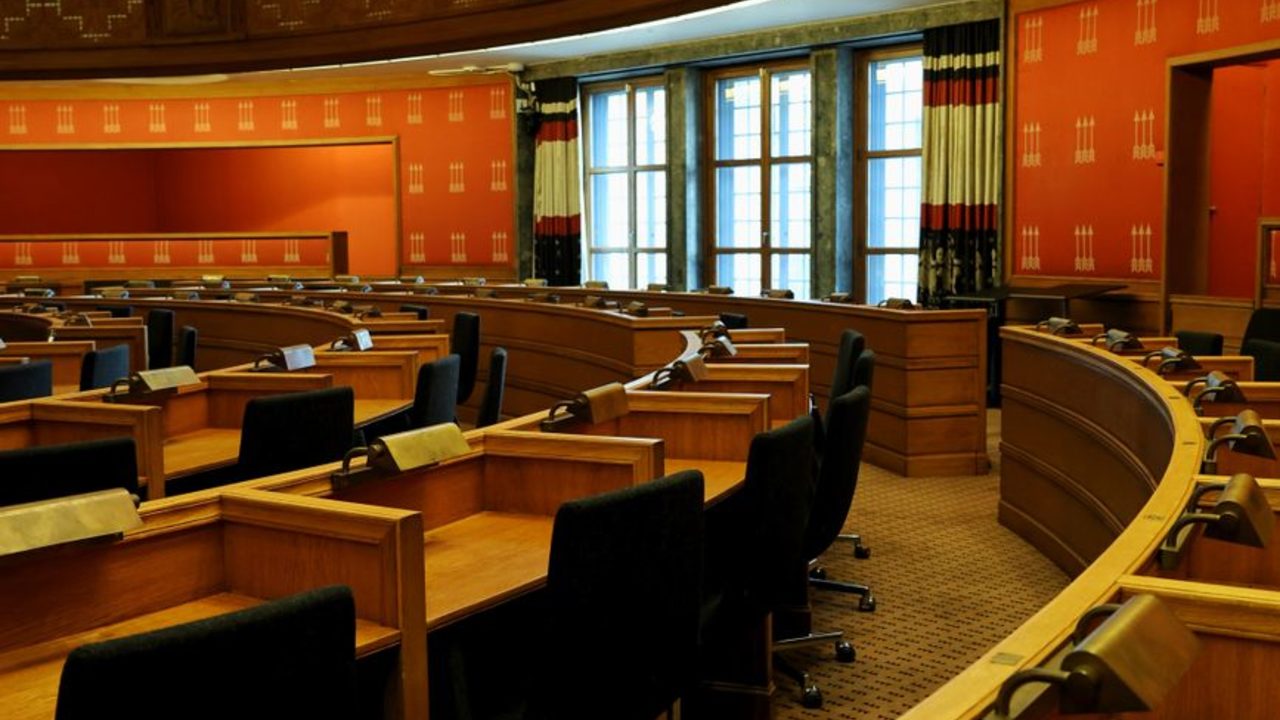
The Czech Ministry of Finance does not plan to switch public broadcasters over to state budget funding from 1 January 2026, as the government had originally promised. According to Finance Minister Alena Schillerová (ANO), the relevant law still hasn't passed its first reading in the Chamber of Deputies, which means the approved draft budget does not account for the reform taking effect at the start of the year.
Should MPs manage to pass the law before the year is out, the question of how to fund Czech Television and Czech Radio will still need to be settled separately by the coalition council, the minister added.
Reform Pushed Back to 2027–2028
Culture Minister Otto Klempíř (Motoristé), who has been drafting the reform together with his ministry, has for the first time admitted the delay could run to a full year. "Given how the debate has gone and the obstruction from the opposition in the Chamber, it's clear that deadline is now unrealistic. Realistically, we should be looking at 1 July 2027 or 1 January 2028," he said.
Some MPs from the ruling coalition had already, speaking anonymously, floated the possibility of the reform slipping to early 2028, arguing that the bill will face opposition obstruction, get sent back by the Senate, and that the president himself is none too keen on the reform either.
SPD leader Tomio Okamura had been pushing last week for urgent action on scrapping the licence fees and wanted to call an extraordinary session this week, but failed to win backing from his coalition partners, ANO and Motoristé. According to Okamura, his coalition partners would rather return to the issue only after the municipal and Senate elections.
Milan Školník, a political scientist at the Czech University of Life Sciences Prague, believes MPs have underestimated how complicated the process would be. In his assessment, passing this kind of law typically takes five to eight months, and there's a strong chance the bill will be sent back by both the Senate and the president.
Okamura himself insists that next year's draft state budget does in fact account for the shift in public media funding, claiming the relevant sum is "hidden" within one of the budget chapters. First Deputy Prime Minister and Industry Minister Karel Havlíček denied this on CNN Prima News, however, saying no funds for changing the financing of Czech Television and Czech Radio are included in the draft budget. The Finance Ministry itself later confirmed this.
Czech Television Braces for Cuts
Czech Television is working with a budget of 8.5 billion crowns this year, of which 6.7 billion comes from licence fees. The government had proposed cutting the broadcaster's budget to 5.74 billion crowns. Czech Radio expects revenues of 2.7 billion crowns this year, roughly 2.4 billion of it from licence fees; under Klempíř's reform proposal, the radio broadcaster would receive 2.06 billion.
Even though shifting both public broadcasters to budget funding from the start of next year is now almost certainly off the table, Czech Television is already preparing for change. CEO Jan Hudeček said the organisation will need to cut 12% of its staff — around 348 people — by 2030.
For 2027 alone, savings of 350 million crowns have been planned. "The goal is to build up a reserve and prepare Czech Television for uncertainty over future funding without a sharp reduction in public service output," Hudeček explained after a meeting of the broadcaster's council. Spokesperson Michal Pleskot said the savings are based on a long-term plan for 2026–2030 that the council approved back in November of last year, and are not directly linked to the delayed funding reform. It has also emerged that the broadcaster will scale back production of a number of programmes: continuous overnight news broadcasting on ČT24 will end, and output from the regional studios in Brno and Ostrava will be reduced. The crime documentary series "Na stopě" is set to close, along with the regular "Interview Speciál", and children's shows "Šikulové" and "Draci v hrnci". "Newsroom ČT24" and the discussion programme "Zkraje" will become monthly, while the Ostrava and Brno studios will stop contributing to the production of the series "Sama doma". The broadcaster has not specified the reasons for these cuts, noting only that they go beyond the aforementioned 350-million-crown savings plan.
Czech Radio Not Planning Cuts
Unlike Czech Television, Czech Radio is not preparing any emergency savings measures. "We've been running a tight, balanced budget for years now, so we don't currently see any need for cuts," said Radio CEO René Zavoral. He noted that the organisation's budget fully complies with the requirements of the public service law and the 2025–2030 memorandum, and that he does not expect the current legislation to change as of January 2027.
According to an internal Czech Television document titled "ČT Production Plan for 2027", CEO Hudeček assures staff that already-approved production of drama programming next year will not be disrupted. Still, he acknowledges: "Certain restrictions — and in some cases the closure of programmes — will be unavoidable and will affect all of our channels across all departments."
Read also: Brno: what to see and where to go
Source: seznamzpravy.cz