After deadly floods in Nepal, India's Bihar state issues warning: don't eat the strange fish washed up from the river
USD 21,81
Popular
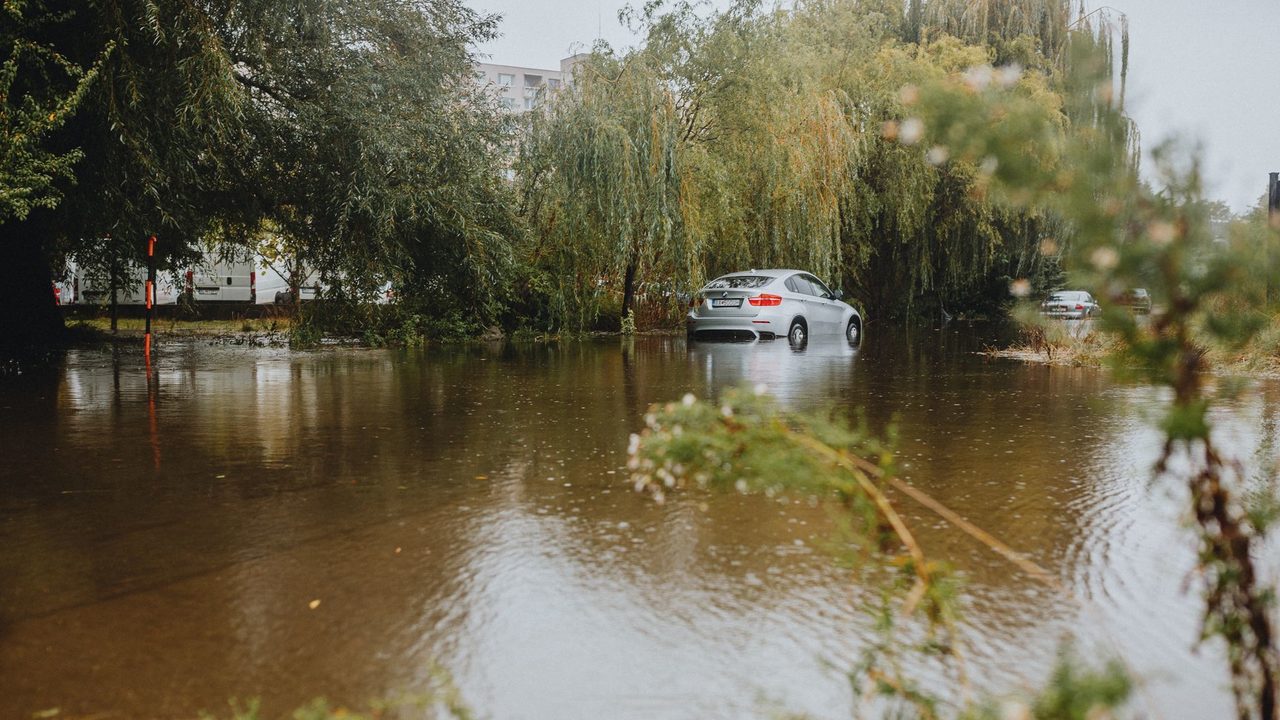
Following last week's devastating floods in Nepal, water from the Trishuli River surged through the Gandak and Kosi rivers into the neighbouring Indian state of Bihar, sweeping along debris from collapsed buildings, human remains, and unusually large fish that have already made people ill. The Independent reports.
As water levels rose, fishermen began pulling in fish far bigger and stranger than usual. According to officials, several people who ate the catch soon fell sick. Bihar's Department of Agriculture has issued a warning banning residents from eating, buying or selling any unidentified or unusual fish caught in the floodwaters.
"Any unidentified or unusual fish must not be consumed without proper identification or clearance from the relevant authority," the official warning states.
Where the danger comes from
The threat isn't the fish itself, but what it may have absorbed along the way. During the flooding, fish were washed out of ponds, rivers, lakes and reservoirs and carried far beyond their natural habitats, coming into contact with sewage, animal carcasses and human remains along the way.
According to Indian media, reports of strange fish have come in from the districts of West and East Champaran, Gopalganj, Bagaha and Saran. Fishermen in Gopalganj and Bagaha describe hauling in unusually large fish resembling dolphins. "After the severe flooding in Nepal, strange and unusual fish have been spotted in Bihar's swollen rivers. We rarely see anything like this — most of them die shortly after being caught," said Chhatu Sahani, a fisherman from Gopalganj.
Fish weighing up to 45 kilograms
Vinod Nishad, a fisherman from Saharsa, says the fish have grown to unusual sizes: "These days we're catching fish weighing 27 to 38 kilograms, and some specimens even 40 to 45 kilograms." He notes that the catch includes large catfish as well as goita and rohu species.
Besides fish, the floodwaters also carried clay, silt, tree trunks, debris from collapsed bridges and damaged hydroelectric plants, household items, and liquefied gas cylinders from flooded villages into Bihar. The presence of human and animal remains in the water has sharply increased the risk of infection.
Fears of an epidemic
Doctors warn that if contaminated river water seeps into wells or is drawn through hand pumps, it could trigger a rapid spread of disease, including diarrhoea and cholera, and raise the risk of typhoid and hepatitis A and E. Stagnant water left behind by the floods is also fuelling mosquito breeding, increasing the danger of dengue fever, malaria and chikungunya.
The situation is made worse by existing groundwater contamination in several districts along the Nepal border — West and East Champaran, Sitamarhi, Kishanganj, Purnia and Araria — where arsenic levels already exceed the safe limit of 10 parts per billion. Nearly all seven districts bordering Nepal also show high iron content, and officials say local water sources are likely to become even more contaminated.
Read also: 8 best places to swim near Prague: lakes, quarries and beaches an hour from the capital
Source: novinky.cz