Babiš Calls for Faster Accession of Serbia and Montenegro to Schengen and the EU
USD 21,74
Popular
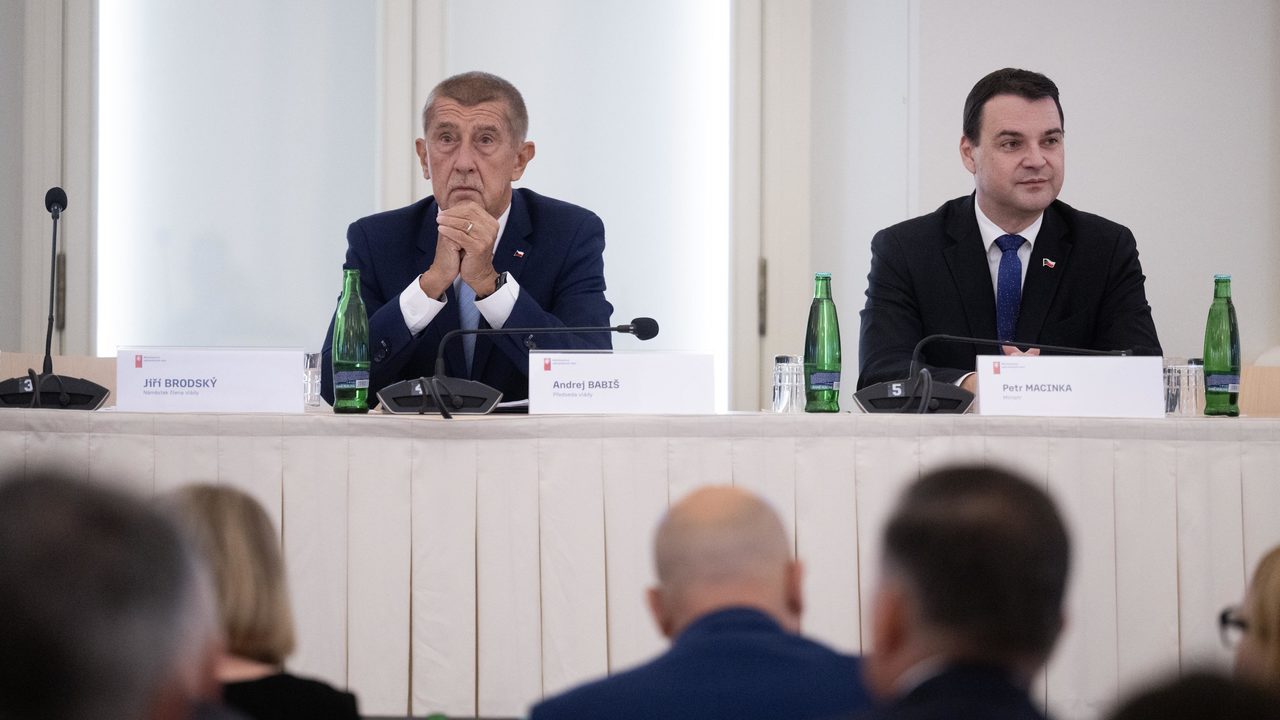
Czech Prime Minister Andrej Babiš, addressing the country's ambassadors, said the Schengen Area should be expanded more quickly to include the Western Balkan states, Serbia in particular. According to him, these countries should have joined the passport-free zone long ago.
"This should be much simpler. The Western Balkan countries, including Serbia, should have been in Schengen a long time ago," Babiš said, linking the issue to the fight against illegal migration.
Montenegro and Albania on the Path to the EU
The prime minister expressed hope that Montenegro could become an EU member as early as 2028, with Albania following a year later, in 2029. Besides EU and Schengen enlargement, Babiš also raised issues of economic diplomacy with the ambassadors.
Macinka on Geopolitics and the Role of Ambassadors
Foreign Minister Jan Macinka, speaking at the same meeting, focused on geopolitical matters. He stressed that Russia's aggression against Ukraine has seriously undermined European security, and the world cannot allow war to become a successful instrument of foreign policy. At the same time, the minister noted that the world should not be viewed solely through the lens of a single conflict, ignoring other security threats.
Macinka urged diplomats to view the world "above all through Czech eyes" and to take initiative. "Don't wait for instructions from above," he told the heads of missions, demanding independent judgment, proactivity and concrete results from them. In his view, heads of diplomatic missions should constantly ask themselves whether there is any reason not to act in the Czech Republic's interests.
Realism, Reciprocity and Diversification
The minister named realism—the ability to see the world as it truly is—as one of the Czech Republic's national interests, along with reciprocity, which allows the country to understand what it can gain and what it can offer in return. He named diversification as the third principle, warning against fixating on a single course of action.
Macinka acknowledged that Czech interests do not always align with the expectations of its closest allies, but that does not change the substance of the matter. "We are not obliged to always agree with our neighbors on everything. But we must be able to recognize the moments when we are stronger together than alone," the minister said, adding that the hardest task is to discern the world that is only now taking shape.
Source: novinky.cz