CIA declassifies bin Laden warnings that reached the White House before September 11

USD 21,65
Popular
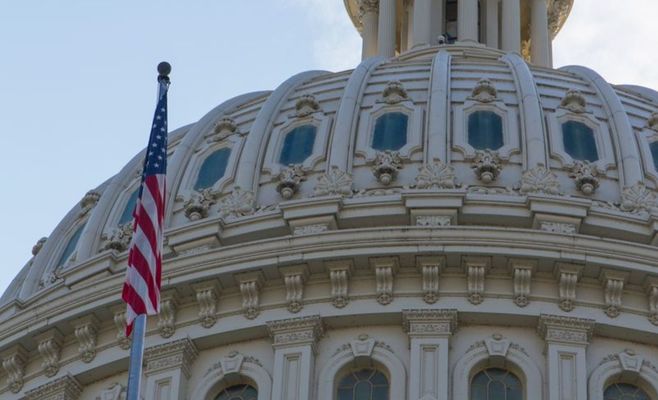
Ahead of the 25th anniversary of the September 11, 2001 terrorist attacks, the US Central Intelligence Agency has declassified 71 documents — fragments of the daily secret briefings prepared for the President of the United States. According to the CIA, this is the largest release to date of analytical materials connected to the attacks on New York and the Pentagon.
Current CIA Director John Ratcliffe said more than a hundred pages of previously unpublished analysis have been made public. The documents span the period from 1998 to 2001 and reveal how the understanding of the al-Qaeda threat evolved over time, and how analysts tried to warn national leadership about Osama bin Laden's impending strikes.
Warnings had been coming in for years
As early as December 1998, President Bill Clinton received a report bearing the alarming headline: "Bin Laden Preparing to Hijack US Aircraft, Plan More Attacks." The document claimed that participants in the alleged plot had undergone a trial run of security checks at a New York airport, and that some network members had received training in hijacking planes.
Even earlier, in July 1998, Clinton was informed of bin Laden's plans to strike inside the United States, and on September 10, 1998, that Washington was believed to be the preferred target of the operation, along with the possibility of flying "an aircraft packed with explosives into a US city." The flow of such briefings never stopped: in December 1998 came a report titled "Serious Threat of Bin Laden Attacks in the Near Term," and the frequency of warnings rose sharply in the summer of 2001, as intelligence agencies picked up signals of a "major event" being prepared.
The most famous briefing — five weeks before the tragedy
On August 6, 2001, President George W. Bush was presented with a document that would later become the most widely cited: "Bin Laden Determined to Strike in US." It referenced FBI data on "suspicious activity" within the country, surveillance of federal buildings in New York, and the fact that the FBI was conducting around 70 investigations linked to bin Laden.
However, the CIA notes that none of the documents described a specific plan for the September 11 attacks — no date, no targets, no perpetrators were named. This is precisely what Condoleezza Rice, President Bush's National Security Advisor, told the 9/11 Commission in 2004: "It was alarming, yes. But it didn't tell us when, it didn't tell us where, it didn't tell us who, and it didn't tell us how."
Scattered clues that were never connected
Beyond the general warnings, the 9/11 Commission later pointed to several specific leads whose significance authorities failed to grasp in time. In July 2001, FBI agent Kenneth Williams from Phoenix reported a possible "coordinated effort" by bin Laden to send students to American flight schools — but a proposal to investigate the matter nationwide was ignored.
Weeks later, suspicion fell on Zacarias Moussaoui, a French citizen of Moroccan descent who was training on a Boeing 747 flight simulator in Minnesota without proper qualifications. He was arrested on August 16 for a visa violation, but FBI agents failed to obtain a warrant to search his computer before September 11. Moussaoui, who had known about the impending attacks, was later sentenced to life in prison in the United States.
Another thread led to future hijackers Khalid al-Mihdhar and Nawaf al-Hazmi — the CIA had been tracking them since the turn of 1999–2000 and knew Mihdhar held a US visa, but lost track of them in January 2000. A full-scale search only began in August 2001, by which time both men were already in the United States under their real names. Three weeks later they boarded American Airlines Flight 77, which was later flown into the Pentagon.
The Commission concluded that with greater resources and a different approach, Mihdhar and Hazmi could theoretically have been located before the attacks — but stressed that even then, a considerable amount of luck would have been required. The sheer volume of early warnings does not, by itself, mean that US authorities knew the exact scenario of the September 11 attacks in advance and deliberately ignored the threat.
Source: seznamzpravy.cz