Drought is deforming vegetables: Czech shops set to sell crooked cucumbers and undersized cauliflower
USD 21,65
Popular
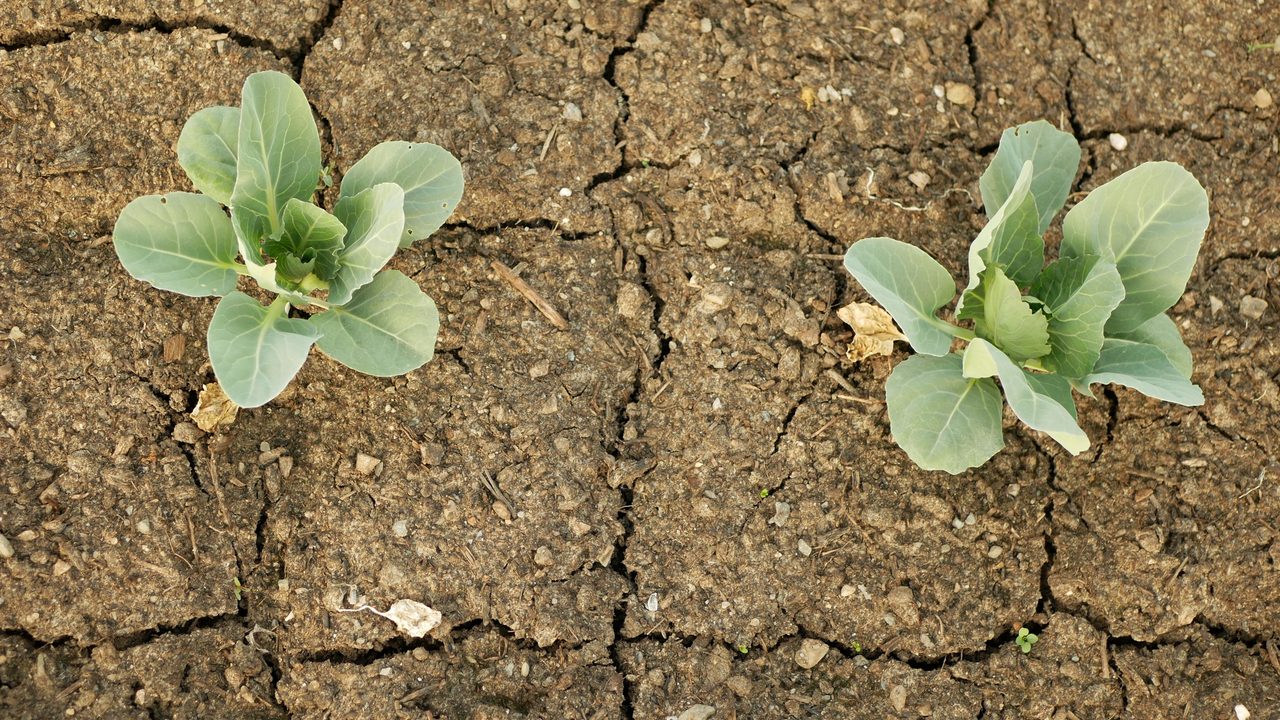
Extreme heat and prolonged drought are set to cut this year's Czech vegetable harvest by roughly 30%, while also changing the appearance of many crops — cauliflower is turning yellow, celery is shrinking, and cucumbers are becoming misshapen and curling into spirals. According to retail chains, in the coming weeks shoppers may start seeing smaller, crooked or oddly coloured produce on shelves — items that would never have met standards before.
Nearly a third of fruit and vegetables in Europe never make it to store shelves simply because they don't look appealing enough — a figure estimated by the University of Edinburgh back in 2018. But this year's drought is so severe that retailers may have little choice but to relax their "beauty" requirements just to keep shelves stocked.
Record-dry soil
According to Alice Kouřilová, spokeswoman for the Czech Vegetable Union, extreme temperatures and water shortages are affecting not just crop volumes but also the look of vegetables — they may end up smaller, oddly shaped or differently coloured than shoppers are used to. However, as long as the changes aren't caused by disease, pests or rot, cosmetic irregularities don't necessarily mean lower quality or reduced nutritional value.
Official data show that the length of this year's soil moisture deficit in Czechia is a record — about a third of the country has been affected since the start of the year. The situation abroad is similar: British media report that UK farmers are facing one of the driest and hottest growing seasons in decades, threatening the worst harvest on record.
Crooked cucumbers and yellow cauliflower
Cauliflower is suffering the most from the heat — its florets are normally shielded from the sun by leaves, but this season they're getting more direct sunlight and turning yellow. Celery, meanwhile, slows its growth under heat and moisture stress, resulting in noticeably smaller roots. European growers are also reporting misshapen cucumbers, some of which curl into spirals right in the field.
Globus spokesman Zdeněk Vesecký said that no significant impact on the quality or availability of fruit and vegetables has been observed so far, but growers are warning that in the coming weeks potatoes, onions, root vegetables, brassicas and apples may turn out smaller and less vividly coloured. Lidl spokeswoman Veronika Nová added that a large share of the chain's produce is grown using modern techniques with controlled irrigation and protective netting, which reduces the risks — though prolonged heat could still affect the apple harvest, producing smaller fruit that stores less well.
A paradox of quality standards
Kouřilová points to a paradoxical situation: even this year, farmers are able to grow vegetables that are perfectly edible but will simply fail to meet retail sorting standards because of their size or shape — meaning they'll never reach store shelves.
Billa spokeswoman Dana Bratanková said the company is well aware of how climate extremes — this year's heat and drought as well as last year's cold, wet weather — affect harvests, but the chain's quality standards remain unchanged for now. Together with suppliers, Billa is looking for ways to offer customers quality produce along with as wide a selection of Czech fruit and vegetables as possible. Globus likewise said it has no plans yet to introduce new quality standards, but is ready to respond flexibly to what farmers can supply and assess parameters on a case-by-case basis for each category.
The vegetable union's spokeswoman believes the real solution is for consumers to stop "eating with their eyes." Nature doesn't produce cucumbers and celery to a uniform template, and if a vegetable is safe and of good quality, a smaller size or unusual shape shouldn't be grounds for keeping it off the shelves. An unattractive tomato can taste just as good and be just as nutritious as a picture-perfect one. Kouřilová is calling on retailers to make room for less photogenic but perfectly good Czech produce — and on shoppers not to be afraid to buy it, if Czechs want to keep growing their own vegetables rather than relying solely on imports.
Source: seznamzpravy.cz