Economist: To make the investment property tax actually raise revenue, the rate would need to rise tenfold
USD 21,83
Popular
The Czech government is considering higher taxes on investment property and capital gains to help close a budget deficit projected at 389 billion crowns next year. But according to Metropolitan University economist Dominik Stroukal, speaking on the "Ve vatě" podcast, even a sharp hike in these taxes wouldn't fix the country's public finances.
Stroukal notes that the Czech Republic last ran a balanced budget back in 2019. Since then, state revenues have dropped by three percentage points of GDP, while spending has risen by one percentage point. With an economy worth roughly ten trillion crowns, each percentage point translates to about a hundred billion crowns — which explains the size of the hole in the budget today.
A property tax hike won't shake up the market
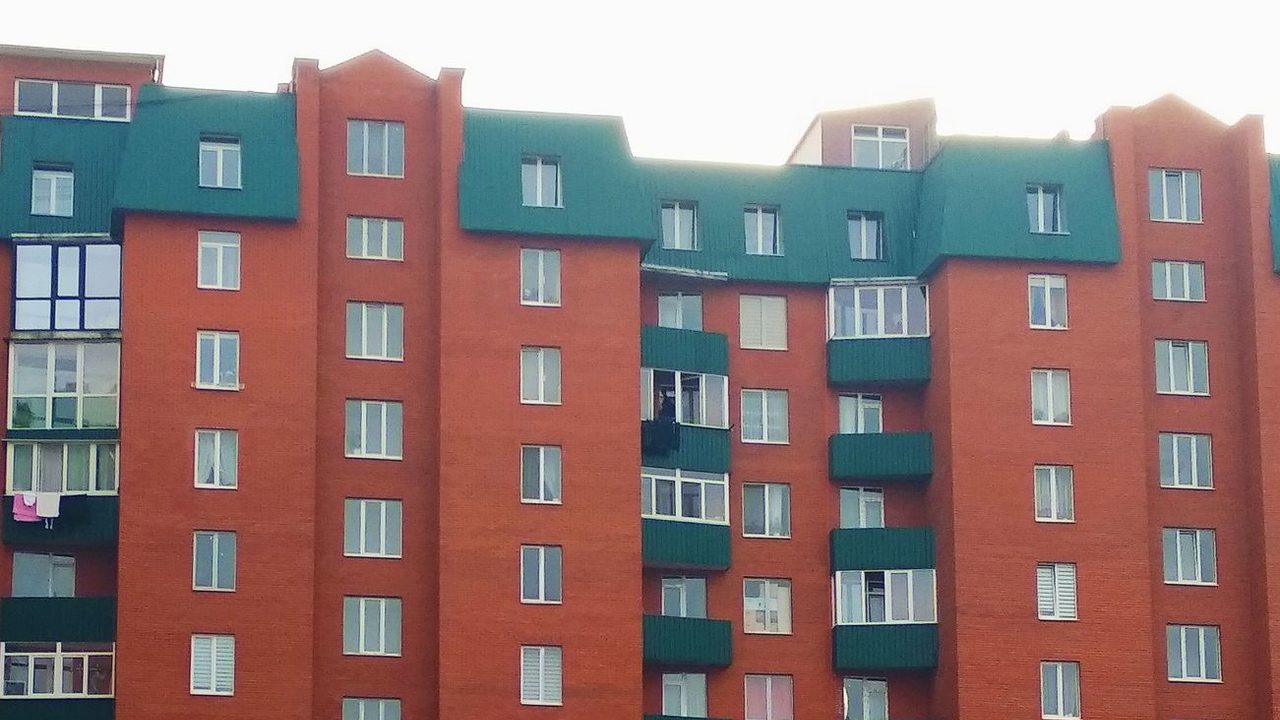
Doubling or even tripling the property tax won't push owners of investment flats to sell, Stroukal argues. For the tax to genuinely influence whether someone rents out or sells a flat, the rate would need to rise more than tenfold compared to current levels — that's how big the gap is between monthly rental income and today's tax bill.
The Czech property tax isn't tied to a home's market value; instead, it's based on floor area and local coefficients. Stroukal offers a telling example: a grandmother in Havířov with a crumbling old homestead pays more tax than the owner of a luxury multimillion-crown house in an upscale village near Prague.
Why taxing a "third flat" won't rescue the budget
According to the analytics firm Dataligence, a plan to impose a higher tax specifically on second or third properties would affect more than 200,000 properties nationwide. Yet, as Stroukal points out, owning a second home is common in Czechia — often it's simply how people save for retirement.
"If we only tax third properties, we'll collect almost nothing again. If the goal is to fix the budget with this kind of tax, the money simply isn't there," the economist concludes.
Capital gains, excise duties and VAT are no cure-all either
Stroukal doesn't rule out revising the current exemption that spares from the 15% tax any income from selling securities held for at least three years. But even raising capital gains taxes, he estimates, would bring the budget only a few billion crowns, or at best a few dozen billion — because a sharp rate increase would simply push people and companies toward tax optimization: reinvesting profits, delaying dividend payouts, or reclassifying income.
A similar trap applies to excise duties on fuel and cigarettes: Czechia is a small country surrounded by neighbors, so if rates climb too high, drivers will simply fill up abroad and smokers will buy cigarettes across the border. As for VAT, the economist is critical of reduced rates on certain goods, arguing that they effectively function as social policy — yet benefit all consumers indiscriminately, including wealthy households, which actually gain the most since they buy more, and buy pricier goods.
Before raising taxes, the state should first look for savings on the spending side, says Stroukal, a former member of the government's National Economic Council (NERV). In his view, the cabinet never finished reforming budget expenditures, making tax hikes for citizens a premature step at this stage.
Read also: Rental scams in Prague: how to spot the fraud
Around Prague, based on reporting by seznamzpravy.cz