German Army Short Thousands of Soldiers for Key Brigade in Lithuania
USD 21,73
Popular
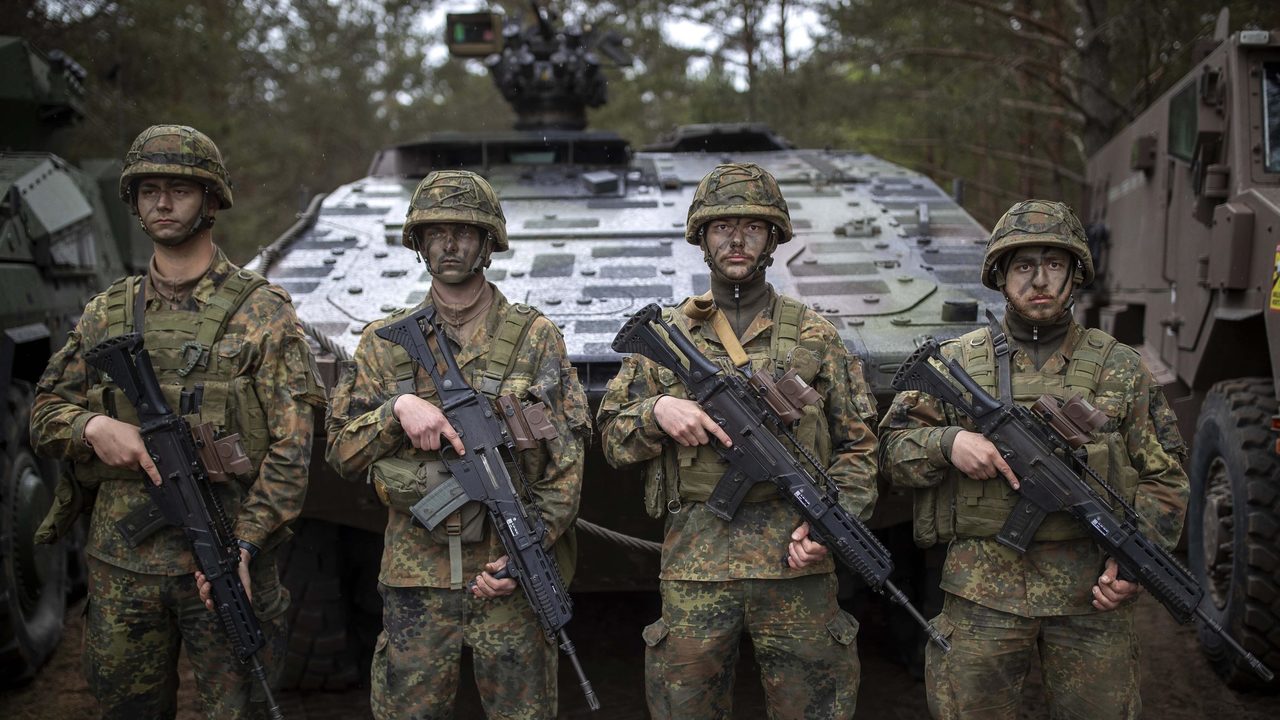
Germany's Ministry of Defence, led by Boris Pistorius, has confirmed that only around 60% of the German brigade due to be deployed in Lithuania has been staffed so far — roughly 2,000 troops are still missing.
Part of the unit is already stationed in Lithuania, made up of soldiers who have served in NATO's multinational battlegroup operating there since 2017. The bulk of the brigade, however — including the 203rd Tank Battalion and the 122nd Panzergrenadier Battalion — won't be redeployed from Germany until next year. According to the ministry, these particular units are short around 40% of their required personnel.
A Gap in the Minister's Estimates
Back in July, Minister Pistorius gave a far more modest estimate in an interview with a German outlet, putting the shortfall at under a thousand troops. "It's fewer than 1,000 people," he said at the time when asked about the personnel gap. Officially, the Bundeswehr attributes the shortage to a lack of specialists — IT engineers and technical staff in particular.
But sources cited by the outlet say the real picture is far more serious: the brigade destined for Lithuania is short a large number of ordinary soldiers, not just specialists — putting Germany's NATO commitments at risk.
Incentives Haven't Worked
The Defence Ministry had hoped to close the personnel gap through a large-scale recruitment campaign, which included trips for potential recruits to Lithuania. Later, the ministry offered further concessions: the minimum service period in Lithuania was cut from three years to one, and soldiers were allowed to fly home on weekends.
None of these measures has worked. The battalion, which is supposed to be fully operational in Lithuania by the end of 2027, is still short thousands of personnel. Soldiers themselves say their reluctance to relocate to Lithuania largely comes down to insufficient financial allowances for junior ranks.
The ministry has little time left to fix the problem: although the brigade is formally required to be at full strength only by the end of next year, troops still need to complete training and arrange relocation to Lithuania along with their families.
Source: novinky.cz