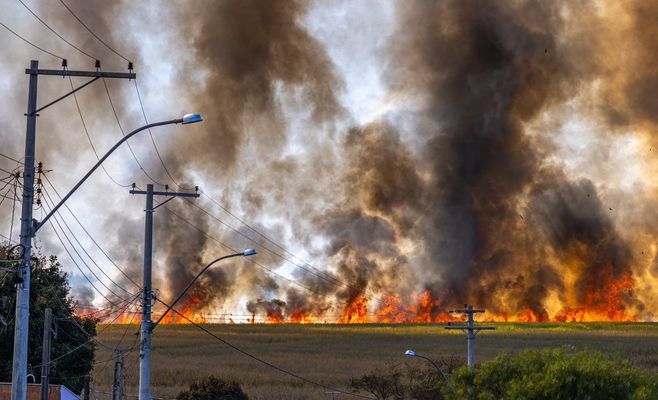
Heat from super El Niño could kill nearly half a million people

USD 21,62
Popular
Anomalous heat caused by the current "super El Niño" could claim the lives of roughly 451,000 people worldwide between June 2026 and February 2027, according to an estimate published by scientists at the Climate Impact Lab research group. Of that total, about 239,000 additional deaths are expected in the six months from September to February.
How scientists calculated the toll
El Niño occurs when the central and eastern tropical Pacific Ocean warms significantly, which also alters atmospheric circulation: a vast area of unusually warm ocean releases more heat into the atmosphere, which is why El Niño typically causes a temporary rise in global temperatures as well. Using temperature forecasts, the study's authors modeled how many additional deaths would result from the higher temperatures caused by this phenomenon. The analysis has not yet been peer-reviewed, but it draws on previously published research on the link between temperature and mortality.
Poor, hot countries will suffer the most
The greatest impact is expected in hot, poorer regions of the world, where people have fewer resources to protect themselves from extreme heat. In Africa's Sahel region alone, the study projects around 66,800 additional deaths over the next six months. Nigeria will be hit hardest, with scientists estimating 31,400 additional deaths there.
"If you already live somewhere hot, those extra few degrees are far more dangerous. Wealthier parts of the world also have better adaptation and healthcare systems, and people have access to water and cooling," economist and study co-author Michael Greenstone told the AP.
Europe will be largely unaffected
Colder, wealthier Europe is not among the regions expected to suffer significantly. The link between El Niño and weather in Europe is far less direct than in the tropics, and the effects can vary considerably from one episode to the next.
The scale of the expected impact is also linked to how quickly the current El Niño has intensified: the phenomenon has already reached a very high intensity, earning it the unofficial status of a so-called super El Niño.
Read also: Extension of temporary protection in Czechia for Ukrainians
Source: novinky.cz