Iran Loses Grip on Strait of Hormuz as Ships Reroute via Oman
USD 21,62
Popular
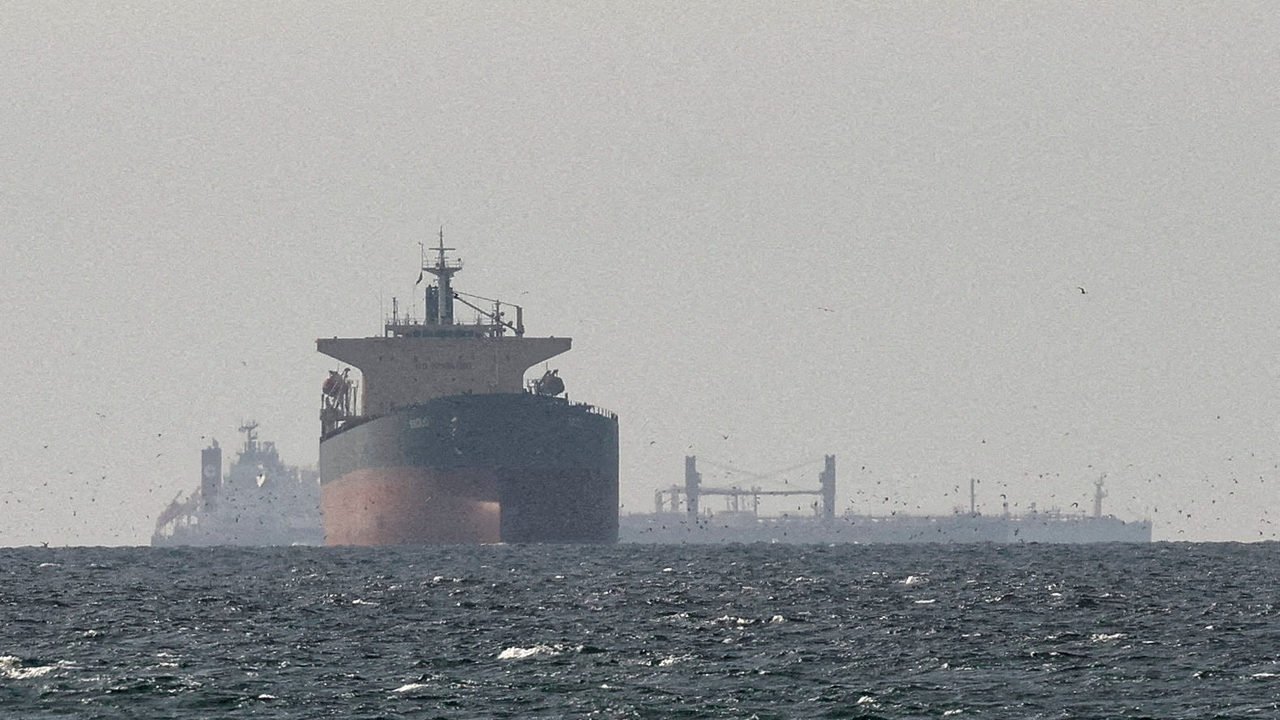
Iran is gradually losing control over the Strait of Hormuz, a waterway it has long claimed as its own territory. The Islamic Republic has attacked dozens of vessels attempting to pass through the strait, yet many ship captains — banking on protection from the U.S. Navy — are still willing to risk the crossing.
According to Kpler, a firm that tracks ships via transponders and satellite data, more than 80% of vessels that passed through the Strait of Hormuz over the past two weeks chose the route along the Musandam Peninsula — an Omani exclave. This UN-approved shipping corridor is one Iran strongly objects to: Tehran prefers a route closer to its own coast and Larak Island, which is controlled by Iran's Islamic Revolutionary Guard Corps.
Iran Can No Longer Collect Tolls
"It increasingly looks like Iran has, at least partially, lost control of the strait," said Homayoun Falakshahi, head of oil analysis at Kpler. Just a month ago, the situation looked entirely different, with the company recording almost no traffic along the Omani route.
The sharp drop in traffic on Iran's preferred path has stripped the Islamic Republic of its ability to collect tolls for passage through the Strait of Hormuz, as it had done in spring. Technically, after the memorandum of understanding between the U.S. and Iran expired, Tehran could have reinstated such a fee. "But apparently Iran hasn't managed to do that," Kpler notes.
"The Iranian toll is something most people in the Middle East don't want to pay and aren't going to pay," says Dan Pickering, founder and chief investment officer of Pickering Energy Partners. "That's why the route along the Omani coast is the better option." According to Andy Lipow, president of Lipow Oil Associates, Kuwait, Saudi Arabia and the United Arab Emirates have chartered large tankers to carry oil out of the Persian Gulf through the Strait of Hormuz, transferring it to customers' tankers once safely outside the danger zone, in the Gulf of Oman.
Oil Shipments Have Increased
To dodge Iranian attacks, ships often switch off their transponders for weeks at a stretch. Even so, the U.S., which maintains a substantial military presence in the region, is tracking every vessel passing through the strait. In recent days, the volumes of oil being shipped have turned out to be considerably higher than most conventional estimates suggested.
U.S. Energy Secretary Chris Wright said last week that oil transiting the strait and the detour route combined reached roughly 15 million barrels per day over the course of a week — already approaching the pre-war average of 20 million barrels.
Against this backdrop, U.S. President Donald Trump declared on Monday that the United States has "full control of the strait." That claim, however, looks questionable: Iran's continued attacks on cargo ships and tankers show that the U.S. does not yet fully control the Strait of Hormuz.
"But neither does Iran," the report states. And if tankers really are moving as much oil through the strait as Washington claims, that would mean Iran's grip on the Strait of Hormuz has weakened considerably compared to just a month or two ago.
Source: novinky.cz