No Summer Blackout in Europe — But the Grid Is Under Serious Strain
USD 21,83
Popular
The widely predicted summer energy blackout never actually hit Europe this year, even though temperatures in some countries soared past 45°C, with Sardinia recording a scorching 48.4°C. According to an energy expert, grid stability has been maintained thanks to precise weather forecasting and generation scenarios calculated well in advance.
Solar panels perform worse in extreme heat — at 40°C, their efficiency drops by 20-25% compared to the benchmark temperature of 25°C. That's why total solar power output in August (679 gigawatt-hours) wasn't the highest of the year — in May, for instance, solar plants generated 3% more energy. July's figure of 704 gigawatt-hours was the annual peak, but only marginally higher than neighbouring months.
Where the real problems lie
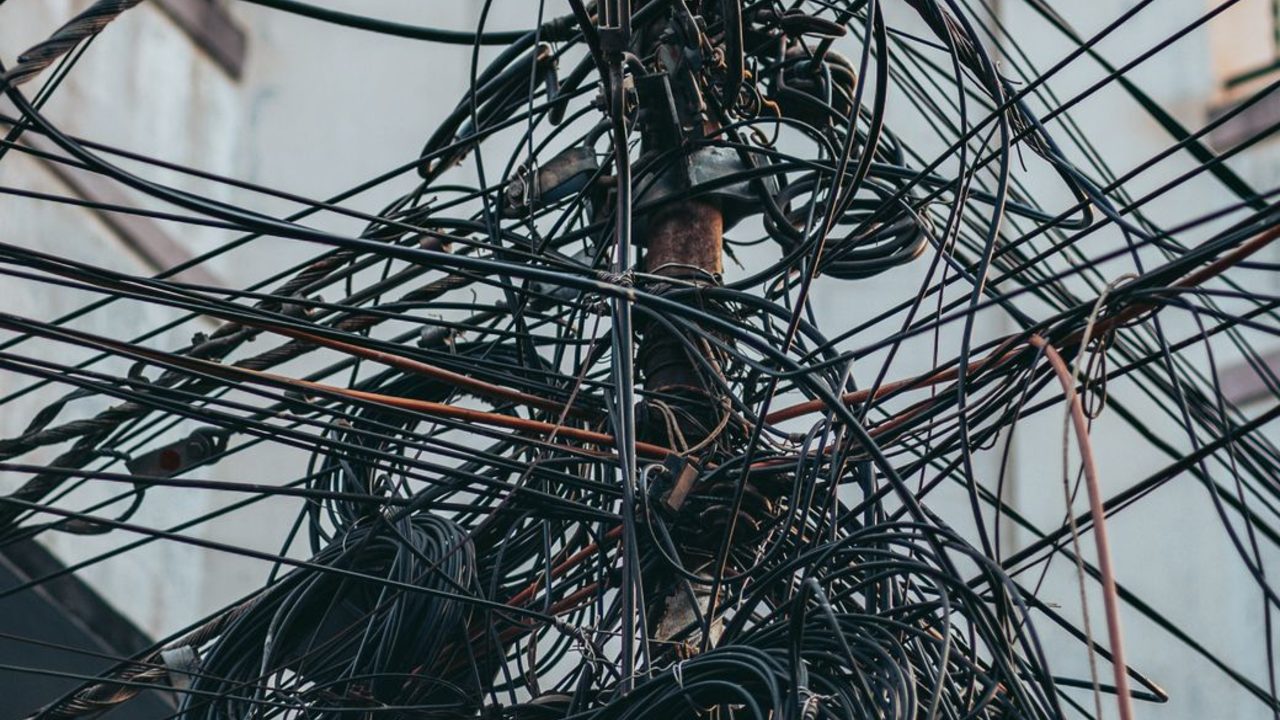
The biggest grid troubles aren't showing up in Czechia but in Mediterranean countries like Italy, which has faced power disruptions both this year and last. The reason is simple: grid infrastructure there simply wasn't built for such extreme temperatures — metal expansion from heat and inadequate equipment cooling cause damage.
Mass use of air conditioning adds further strain to the system. At the same time, wind power output drops, since tropical heat typically brings little to no wind. Low water levels in European rivers have also forced several thermal power plants with flow-through cooling systems to cut output or shut down entirely. As a result, during the first summer heatwave, spot electricity prices spiked up to 15 times above normal levels: on the evening of June 26, a megawatt-hour traded for €1,083 in Belgium, €902 in the Netherlands, and €747 in Germany.
The flip side — negative prices
In milder weather, the opposite problem emerges — an oversupply from renewable sources combined with lower demand (long daylight hours, holiday season). Since late May, the lowest possible spot price has been set at -€600 per megawatt-hour, down from the previous floor of -€500.
Price swings are intensifying year by year: negative prices in Czechia lasted just 8 hours in 2022, but reached 348 hours last year. In 2025, daily prices have ranged from -€224.49 to €563.13 per megawatt-hour. On April 26 alone, electricity in Czechia traded at -€489.28 per megawatt-hour — the third-lowest price in the entire EU. Only Slovakia and Hungary saw cheaper rates, both hitting the former floor of minus €500. That episode, along with another price crash four days later, is precisely why regulators pushed the floor down by another hundred euros.
As the expert sums up, sharp swings in spot prices and disruptions in electricity production and distribution are becoming the new normal — and things are only likely to get more challenging. The cause isn't just the growing share of renewables, but also increasingly frequent climate extremes. How well transmission grid operators, such as the Czech company ČEPS, coordinate their work will determine just how stable this rapidly evolving energy system remains.
Around Prague, based on reporting by ekolist.cz