Oceans Heat to Record Highs — Temperatures Not Seen in Thousands of Years
USD 21,74
Popular
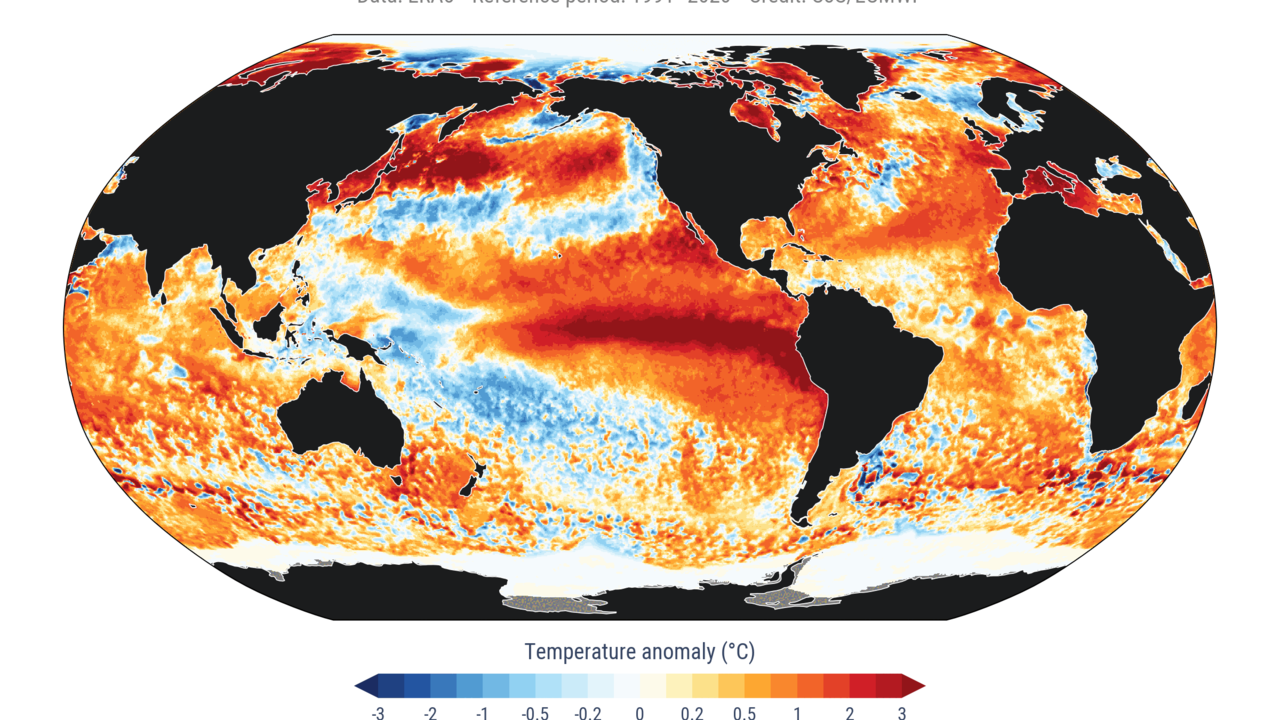
The average global sea surface temperature has reached 21.1°C, breaking the previous record set in March 2024. The announcement comes from the Copernicus Climate Change Service, based on data from its ERA5 reanalysis.
ERA5 observations date back to 1979, but older research and climate reconstructions suggest the oceans haven't been this warm since at least the mid-19th century. In fact, there's reason to believe these are the highest temperatures of the entire Holocene — and possibly the highest in the last 125,000 years.
"There's a fairly high degree of confidence that sea surface temperatures are now globally higher than during the final warm period before the last ice age," climatologist Leon Simons said during a webinar on Sunday.
An Unusual Timing for the Warming
What's particularly alarming is when the record was set. Ocean temperatures typically peak at the boundary between winter and spring. This year, however, the water warmed unusually fast over the summer, and by July the highest readings ever recorded for that month had already been logged.
El Niño Gathering Strength
The main driver behind this sharp warming is El Niño, the climate phenomenon developing in the tropical Pacific. According to the latest observations, its intensity is extremely high, and in the coming months it could reach record or near-record strength.
Although ocean temperatures usually start to decline by late August after a second, smaller summer peak, experts say the current record may not be the final one — deviations from the long-term average could keep climbing as El Niño intensifies.
Experts stress, however, that El Niño is merely amplifying the effects of long-term global warming. "While El Niño often causes a temporary rise in global temperatures, the new records are ultimately being driven by human-caused climate change," Climate Central, a research organization, said in a recent statement.
Source: novinky.cz